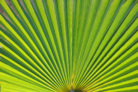
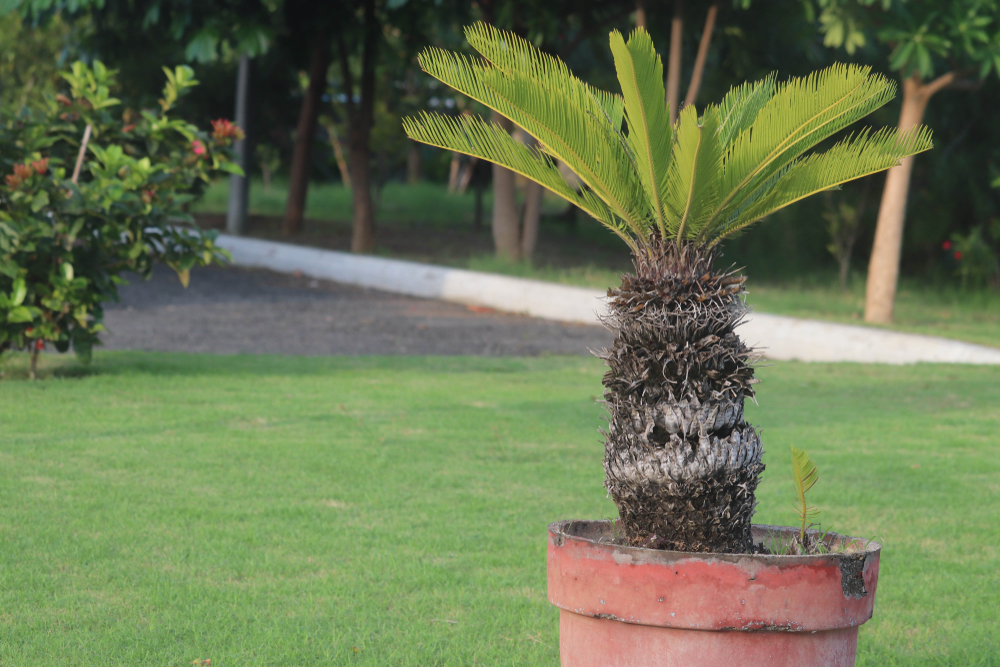
Fan palms are pretty low-maintenance and easy-going houseplants that really thrive when you give them the right spot in your home. For the most part, you don’t actually need to prune palms at all. However, there are a few exceptions where a little trim is necessary.
Pruning Your Fan Palm
During the growing season, it’s totally normal for your palm to develop brown fronds. It’s just part of the plant’s natural cycle, but it can definitely mess with that lush, tropical look. You’ll want to snip off any brown or yellow leaves to keep things looking tidy. Keep in mind that brown tips can also be a sign of a “oops” moment in care, like underwatering or low humidity, which might also require a quick trim.
When is the Best Time to Prune?
The best time to give your fan palm a haircut is in late fall, right before it heads into its winter dormancy. Pruning can be a bit stressful for the plant, so doing it right before its “winter nap” gives it plenty of time to recover. This way, it’ll be rested and ready to push out vigorous new growth come spring.
What Exactly Should You Cut?
Here is the golden rule of palm care: Never, ever damage the palm heart. The heart is the center of the plant where all the new fronds emerge. If the heart gets damaged, the palm won’t be able to grow new leaves and will eventually die. Stick to pruning only these parts:
- Brown leaves and brown leaf tips
- Leaves that have already died off completely
- Bent or broken fronds
- Dried-out leaf stubs left on the trunk
Dealing with Bent Fronds
Keep a close eye out for bent leaves. Even though palm stems are usually pretty sturdy, a little accidental bump can cause them to snap. When a stem kinks, the internal structure is damaged, and the leaf won’t get the nutrients it needs. It’ll eventually change color and die off. If you see a damaged stem like this, go ahead and carefully prune it away.
How to Prune the Right Way
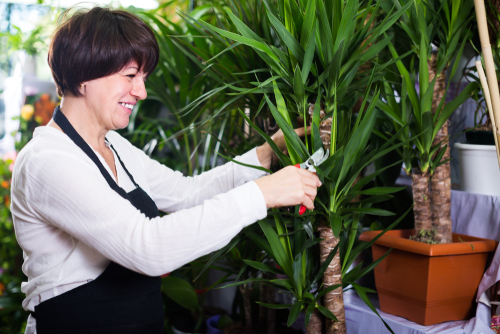
When you’re ready to remove brown or wilting leaves, make sure you use a sharp, clean pair of garden shears. I always recommend disinfecting your tools first to prevent any bacteria from getting into the fresh cut. After you remove a leaf, you’re usually left with a little stub. These can look a bit messy, and worse, the tiny gap between the stub and the trunk is a favorite hiding spot for fungi or bacteria. To keep your palm healthy, carefully shave those stubs off with a sharp, clean knife.