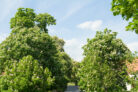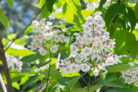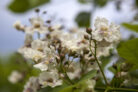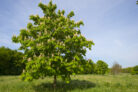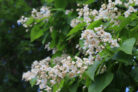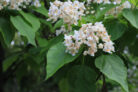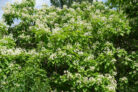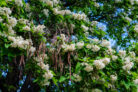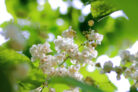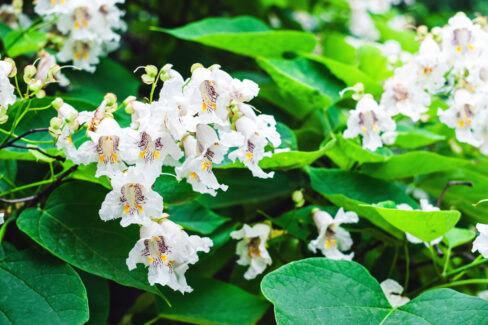
The Southern Catalpa (often called the Trumpet Tree) originally hails from warmer climates, which means our chilly, frost-filled winters can be a bit of a struggle for them. If you want to keep yours happy and healthy, here’s the lowdown on how to handle the cold season.
A Tree with Southern Roots
The Catalpa is native to the southeastern United States, where the average temperature sits around 68°F (20°C). In its natural habitat, freezing winters are rare, and sunny, warm spots are the norm. While a quick dip below freezing won’t kill it instantly, the tree isn’t 100% hardy. If you’re facing a long stretch of deep-freeze temperatures, you’ll need to know how to winterize it properly.
Age Matters When It Comes to Cold
How well your tree handles the frost depends mostly on how old it is:
- Young trees (up to about five years old) are very sensitive to frost.
- Older, established trees develop a much thicker “skin” and can handle the cold much better.
Protecting the Youngsters
If you have a young tree, you’ve got to give it some extra TLC. If it’s in a pot, move it to a sheltered spot near a house wall or under an eave. Place the pot on an insulating base like wood or Styrofoam, and wrap the plant itself in winter fleece or burlap to keep the biting wind off.
Winter Care for Mature Trees
As Catalpas get bigger and older, they build up a natural resilience to the cold. However, even with a “tough” tree, it’s a smart move to protect the crown with some garden wrap. Why? Because the tree actually sets its flower buds in the fall. If those buds freeze off, you’ll be missing out on that gorgeous canopy of blooms next summer.
-A Note on Dwarf Globe Catalpas
Unlike their full-sized cousins, dwarf Globe Catalpas (Catalpa bignonioides ‘Nana’) never really grow out of their sensitivity. They stay frost-prone their entire lives. If you have one of these, you’ll need to make sure it’s protected or moved to a frost-free spot every single year.
Wintering Potted Trees Indoors
If you’re growing your Catalpa in a container, the easiest solution is to move it indoors before the first hard frost hits. A frost-free garage or a cool, dark basement is perfect. Since the tree drops its leaves and goes dormant, it doesn’t need much light. This “winter nap” gives the tree the rest it needs to come back strong with new growth and beautiful flowers in the spring.