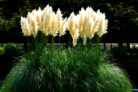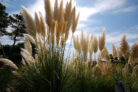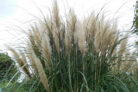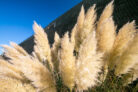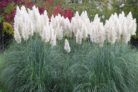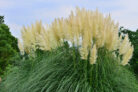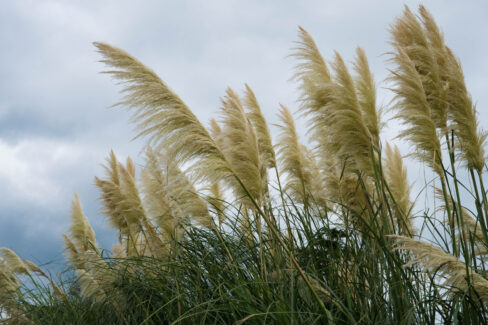
As the name suggests, pampas grass is originally native to South America. Even so, most varieties are surprisingly hardy and can usually handle a typical winter outdoors without much trouble. However, that mostly applies to plants in the ground. If you’re growing yours in pots, you’ll definitely need to step in and help them out once late fall rolls around.
Don’t Prune in the Fall
By late autumn, you’ll probably notice the stalks of your pampas grass starting to dry out. Even if they look a bit crispy, resist the urge to grab your shears! You should never prune this ornamental grass in the fall. Always wait until the following spring to give it a haircut.
Setting Up Effective Frost Protection
When you’re getting ready to overwinter your pampas grass, the main goal is protecting the pot from freezing temperatures. While the roots of a plant in the ground are insulated by the earth, a container plant’s root system is much more exposed to the elements.
To keep your grass happy and prevent frost damage, here are a few simple steps you should take:
- Move the pot as close to the house wall as possible for extra warmth.
- Place the container on a piece of wood or Styrofoam to create an insulating barrier against the cold ground.
- Wrap the pot in bubble wrap, burlap, or garden fleece.
- Don’t forget to give it a little water from time to time throughout the winter.
If your pampas grass is out in the open where it might get hit by rain or snow, you should also tie the stalks together. You can use twine, coconut fiber, or raffia for this—it helps keep moisture out of the center of the plant.
Bring It Indoors During Hard Freezes
If the weather forecast calls for a long stretch of severe, deep-freeze temperatures, it’s best to move your potted pampas grass to a protected winter spot. A cool, bright area like a garage or unheated sunroom works great. Just remember to keep an eye on the soil and water it occasionally so the plant doesn’t dry out completely.