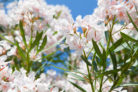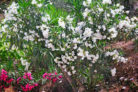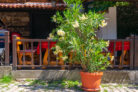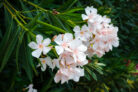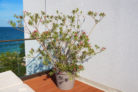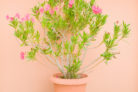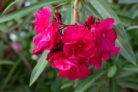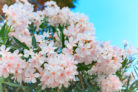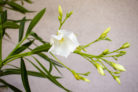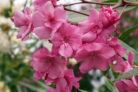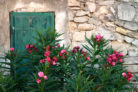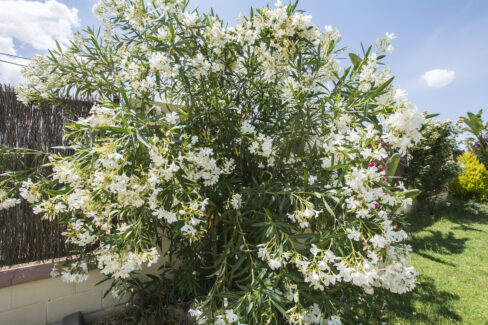
Oleander is one of those versatile beauties that can brighten up your garden, your balcony, or even your living room as a houseplant. But if you want yours to really thrive and show off those stunning blooms, getting the planting process right is key. Here’s the lowdown on how to set your oleander up for success.
Outdoor Beds: Not Always the Best Fit
Originally, oleander hails from the sunny Mediterranean—think North Africa, Italy, Spain, and Greece. In those warm climates, these shrubs can explode into massive bushes up to 15 feet tall and just as wide! Unfortunately, our local weather isn’t quite as tropical. Because of our chilly winters, planting oleander directly in the ground isn’t usually the best way to go.
The Winter Dilemma
While oleander is a lovely evergreen, it’s definitely not frost-proof. It can handle a quick dip down to about 23°F (-5°C) without much trouble, but it won’t survive being frozen for long periods. If you plant it directly in your garden bed, you’d have to dig it up every single fall to move it somewhere safe, which is a huge hassle for both you and the plant.
Can It Stay Outside?
Overwintering outdoors is a bit of a gamble. If you live somewhere with very mild, frost-free winters, you might get away with it. Just make sure to give your plant some extra love by wrapping it in garden fleece or burlap to protect it from the elements.
The “Pot-in-Pot” Summer Trick
If you’re dead set on having that Mediterranean look in your garden beds during the summer, here’s a pro tip: sink the entire plant—pot and all—into the ground. This gives you the aesthetic of a planted shrub but makes it a breeze to lift out and move to a cozy indoor spot once the temperatures start to drop.
Plenty of Ways to Grow
Even if a permanent garden bed isn’t ideal, there are still plenty of ways to make oleander a focal point in your home:
- Grow them in large pots or planters on your balcony or patio.
- Try your hand at shaping one into a bonsai.
- Keep a smaller variety as a houseplant.
Picking the Right Soil
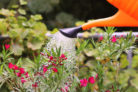
When it comes to planting, the soil makes all the difference. Oleander loves a heavy, clay-based soil that’s rich in lime. They are also thirsty plants, so keep them well-watered! To keep those flowers coming, make sure they get plenty of nutrients—using a slow-release fertilizer is usually the easiest way to keep them happy all season long.