If you’ve got a hydrangea growing in a container, moving it into your basement for the winter is a fantastic move. It’s one of the best ways to shield your hydrangea from harsh frost and make sure it makes it through to spring in great shape. Here are my favorite tips for overwintering your plants so they’re ready to pop back outside once the weather warms up.
Potted plants need a little extra TLC
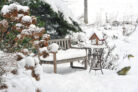
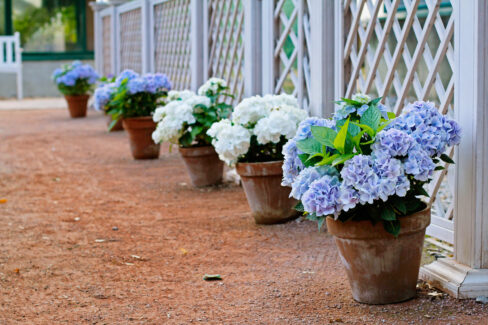
A hydrangea planted in a pot isn’t quite as cozy as one planted directly in the ground. While garden soil acts as natural insulation for roots, the soil in a container can freeze solid much faster. That’s why you need a sheltered spot to keep your hydrangea from getting damaged. If you decide to leave them on a protected balcony, you’ll definitely want to wrap the pot in some horticultural fleece for extra warmth.
However, the easiest way to overwinter your hydrangeas is simply moving them into the basement. If you have the space, it’s a quick and effective solution. Just a couple of things to keep in mind: make sure to move them inside before the first hard frost hits, and try to keep them away from any hot air vents or heaters.
Tips for basement overwintering
To keep the root ball from drying out completely, you’ll want to water your hydrangea occasionally. But don’t go overboard! Your hydrangea needs to go through its natural dormant phase during the cold months to ensure it has a big growth spurt in the spring. You don’t want to mess with that natural rhythm by overwatering or keeping it too warm.
Here’s your quick checklist for winter storage:
- Keep temperatures between 35°F and 50°F (2 to 10 °C)
- Choose a well-ventilated room
- Give them a light drink of water every now and then
Once spring rolls around and the weather starts to turn, you can head back outside. Just don’t rush it! It’s best to “harden off” your hydrangea by putting it outside for a few hours at a time during the day and bringing it back in at night. Slowly increase its outdoor time until it’s fully acclimated to the fresh air again.