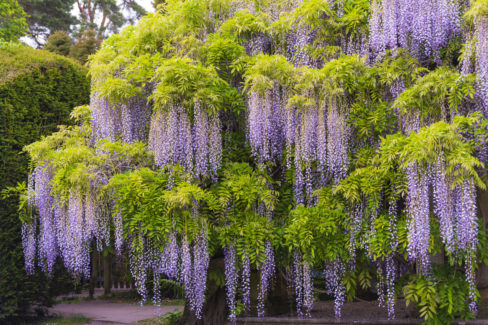
Wisteria is incredibly hardy and puts on a spectacular floral show. Thanks to its vigorous growth habit, it quickly creates a lush, leafy vine that eventually transforms into a stunning carpet of colorful blooms. It’s no wonder so many gardeners choose this plant as a natural privacy screen! Here’s everything you need to know to get started.
Setting the Stage for Your Wisteria Privacy Screen
With its romantic, cascading look, wisteria makes for a gorgeous natural barrier. However, there are a few things to keep in mind before you start digging. First, wisteria is a heavy lifter—it absolutely requires a sturdy trellis or support structure. You’ll need to provide a solid frame that can handle the weight as the vine climbs. Second, it’s important to note that wisteria flowers and seeds are toxic if ingested, which can be a concern for humans and pets alike. If you don’t have little ones running around unsupervised near the garden, it’s usually not a dealbreaker, but it’s definitely something to be aware of.
Why Wisteria makes a great privacy screen:
- Provides a natural, leafy shield from spring through summer
- Offers a breathtaking display of flowers
- Grows incredibly fast and fills in gaps quickly
How to Care for Your Wisteria Screen
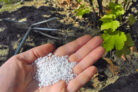
To make sure your wisteria is covered in blooms when the season hits, you’ve got to start with the right location. These plants are sun-worshippers and thrive in nutrient-rich soil. If your garden soil is a bit lacking, you can give it a boost with some fertilizer. Just a pro-tip: avoid fertilizers that are too high in nitrogen. While nitrogen is great for leaves, too much of it will actually discourage those beautiful flowers from blooming.
To keep your privacy screen looking sharp and encourage more flowers, regular pruning is a must. You’ll want to trim the shoots back toward the older wood, as wisteria actually produces its blossoms on old growth. Finally, don’t forget about winter prep. While established vines are quite cold-hardy, young wisteria plants need a little extra protection from frost during their first two years. This keeps the roots and new shoots safe so they can come back stronger than ever in the spring.