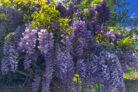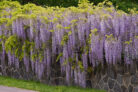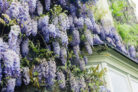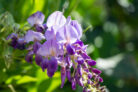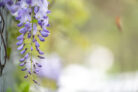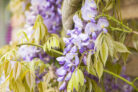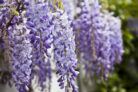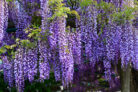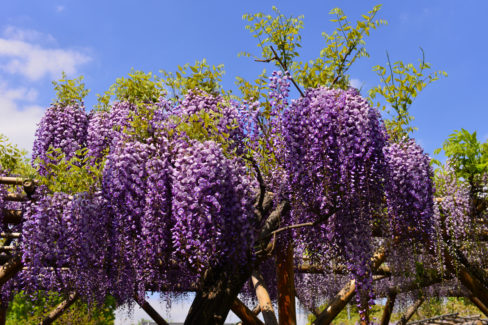
Wisteria lives up to its name—when you find the perfect spot for it, you’ll be rewarded with a breathtaking sea of blue-violet blooms. If you’re thinking about adding this beauty to your garden, here’s everything you need to know about its favorite conditions and what to keep in mind before you start digging.
What Wisteria Needs to Thrive
First things first: a quick safety tip. Wisteria is actually toxic, so it’s probably not the best choice for gardens where little kids play unsupervised. If that’s not a concern for you, though, you’re in for a treat! This plant is a total sun-worshipper. It loves warmth and plenty of direct light, so make sure you pick the brightest spot in your yard.
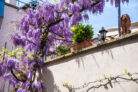
Since wisteria is a climber, you’ll want to provide a sturdy trellis or support system. I can’t stress “sturdy” enough—a mature wisteria is incredibly heavy and powerful; it can easily collapse a flimsy trellis or even damage weak gutters. If you’d rather keep it on a balcony or small patio, you can actually grow it as a “standard” (a little tree form). Whether it’s in the ground or on patios, just make sure it’s getting that sunshine and the soil isn’t too compacted.
The ideal soil for wisteria should be:
- A well-draining mix of sand and soil
- Nutrient-rich, but not too high in lime (alkalinity)
- Nice and loose so the roots can breathe
Feeding and Caring for Your Wisteria
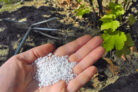
To keep those iconic flower clusters coming, you’ve got to keep the plant well-fed. Wisteria grows fast and works hard to produce those blooms, so it needs plenty of nutrients. Regular fertilizing is key here. Well-aged compost is a fantastic organic choice, but a high-quality store-bought fertilizer works great too. If you’re shopping at a garden center, just check the label or ask a pro for a recommendation.
One big “pro tip”: avoid fertilizers that are super high in nitrogen (like fresh manure). While nitrogen makes the green leaves grow like crazy, it actually stunts the flower production. You’ll end up with a very leafy vine but zero blossoms—which is exactly what we want to avoid! If you use too much nitrogen, you might find yourself wondering why your wisteria isn’t blooming. Stick to a balanced diet, and you’ll be enjoying those blue cascades in no time.