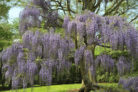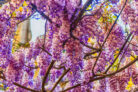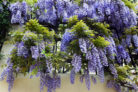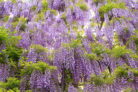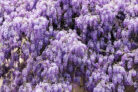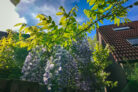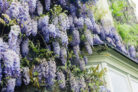
With its stunning cascades of purple-blue flowers, Wisteria is a showstopper in any backyard. But as beautiful as it is, this vine comes with a bit of a “bad boy” reputation. For starters, it’s toxic, and those powerful, woody roots can actually do some serious damage to your home’s siding or even underground pipes. If you’re looking for that lush, climbing look without the headache, I’ve got you covered. Let’s dive into some fantastic alternatives to Wisteria and why they might be a better fit for your garden.
The Pros and Cons of the Beautiful Wisteria
There’s no denying the appeal: Wisteria grows incredibly fast and puts on a floral show like no other. Plus, once these plants are established, they are tough as nails and very winter-hardy. Many gardeners love using them to cover a garden gate or a sturdy trellis. They’re also a classic choice for adding some shade and charm to a patio or balcony.
However, there are two big “deal-breakers” to consider. First, Wisteria is poisonous. Eating the seeds or the flowers can cause some nasty symptoms in humans. If you have little ones running around the yard, this is definitely something to think twice about. Second, Wisteria is a bit of a powerhouse underground. Its roots are incredibly strong and expansive, meaning they can crack walls or crush pipes as they spread out from the main trunk. This aggressive growth can turn a beautiful plant into a structural nightmare. So, what can you plant instead?
Great Alternatives for Your Garden
If you’re dreaming of blue or purple blooms climbing up a wall or pergola, you have plenty of safer (and less destructive) options. Some of my favorites include blue Clematis, Climbing Hydrangeas, or Morning Glories. In some spots, a Blue Lilac bush can even give you that same color palette. It’s all about finding the right plant that fits your specific space and climate.
Popular Wisteria Alternatives:
- Clematis
- Grapevines
- Climbing Roses
- Hydrangeas
- Chocolate Vine (Akebia)
- Morning Glories
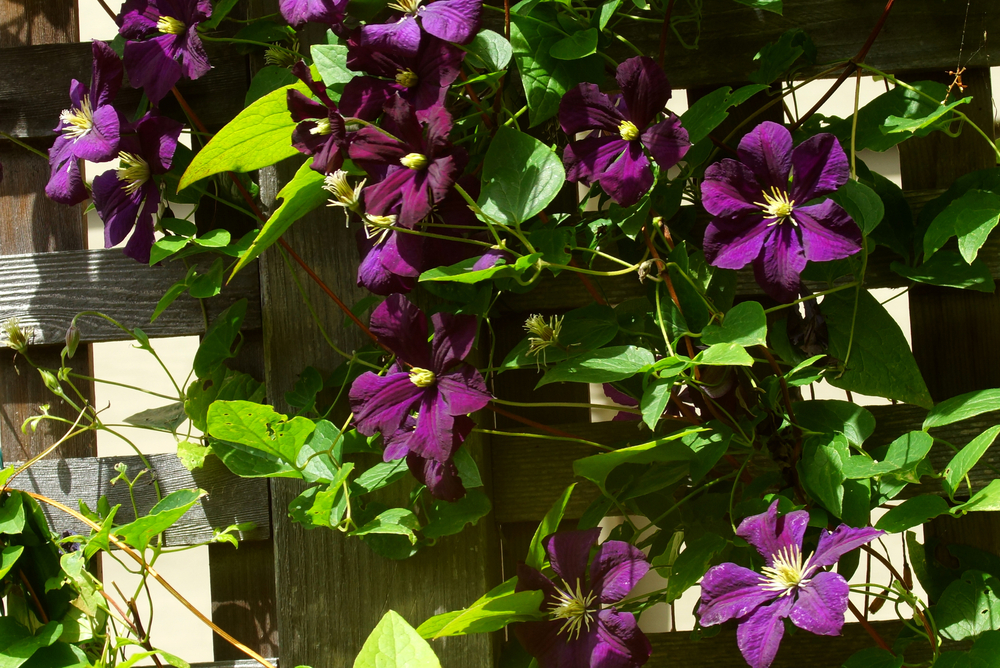
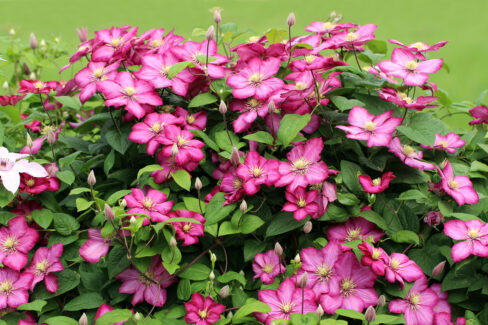
One of the best swaps you can make is the Clematis. Often called the “Queen of Climbers,” it comes in a huge variety of colors and styles. The best part? Many varieties are very hardy and resistant to common fungal diseases. You get that same lush, climbing effect and robust growth that Wisteria offers, but in a much more manageable (and less “wall-crushing”) package.