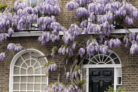
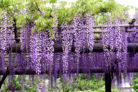
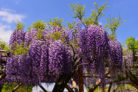
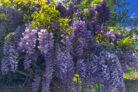
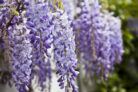
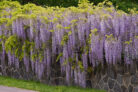
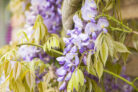
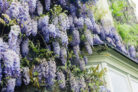
Once you’ve seen a Wisteria in full bloom, it’s hard not to want one for your own yard. With its cascading carpet of blue flowers, this plant adds a magical, fairytale vibe to any garden. But before you get digging, there are two things to keep in mind: those stunning blooms are actually toxic, and this vigorous climber absolutely needs a solid support system to thrive.
Why Your Wisteria Needs a Sturdy Trellis
Wisteria is famous for its incredibly fast growth rate. It sends out tons of shoots that race toward the sky, and in the right spot, those shoots produce heavy clusters of flowers. The catch? All those blooms carry a lot of weight. Without a helping hand, that weight will quickly pull the branches down to the ground. That’s why providing a proper support structure is a must.
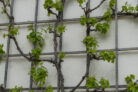
It’s best to set up a trellis or arbor right when you first plant your Wisteria. This gives the vine the stability it needs to climb upward from day one. Plus, using a support system lets you play garden architect—you can train the vines to cover a fence or create a breathtaking floral archway over a gate.
When picking out your support, keep these tips in mind:
- Use heavy-duty, durable materials.
- Make sure the trellis or arbor is large enough for long-term growth.
- Provide plenty of surface area for the vines to grab onto.
Caring for Your Wisteria
Once you’ve got your support system in place, it’s all about the right environment. First, make sure your Wisteria gets plenty of sunlight; lots of light is the secret ingredient for those massive flower displays. Second, be sure to plant it a safe distance away from your house. Wisteria is incredibly strong—its woody vines and powerful root system can actually damage siding or crush rain gutters if left unchecked.
To keep things looking tidy, give your plant a good prune in the spring. You can trim back any wild shoots that are straying too far from the trellis, or simply tuck and wrap them back into the frame to help maintain the shape. During the warmer months, keep your Wisteria happy by fertilizing it with a low-nitrogen blend to encourage more flowers rather than just more leaves.