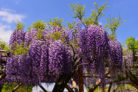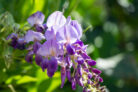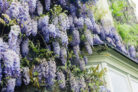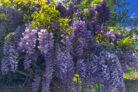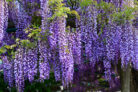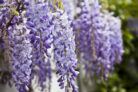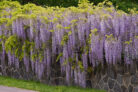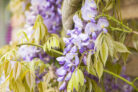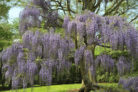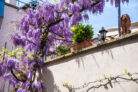
Wisteria is a powerhouse in the garden, known for its aggressive growth and that iconic, cascading “rain” of flowers. But to pull off that kind of performance, this vine is a hungry one! If you want those stunning blooms, you’ve got to get the nutrients right. Here’s the lowdown on how to fertilize your wisteria and what you need to keep in mind.
When to Fertilize Your Wisteria
Like most of our garden favorites, wisteria needs a boost during the warmer months to fuel all that growth. You can give your fertilizer spreader a rest during the winter, though. Start your feeding routine in early spring and keep it going until the second bloom cycle wraps up in late fall. Once those flowers fade, stop fertilizing immediately. You don’t want the plant putting out tender new growth right before the cold hits—that fresh wood is super vulnerable to frost damage.
The best way to feed your plant:
- Mix a little lime into the hole when you first plant it.
- Use well-aged compost as your primary nutrient source.
- Give your wisteria a dose of superphosphate once in May to encourage blooms.
Choosing the Right Fertilizer
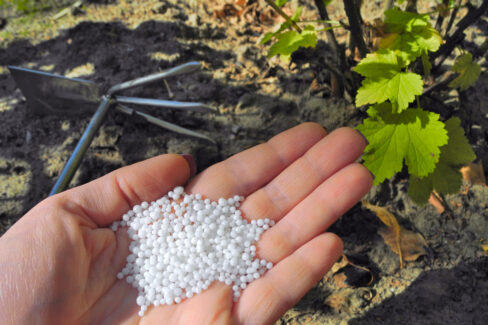
To get the best results, you want to balance your fertilizer with the plant’s specific location and needs. You can go with either organic or synthetic options here. If you decide on a synthetic store-bought brand, I highly recommend a slow-release formula. It’ll save you a ton of work compared to liquid fertilizers that require constant re-application.
One golden rule for wisteria: watch the nitrogen levels! You actually want a fertilizer that is relatively low in nitrogen. If you prefer the organic route, compost is your best friend. Just spread a healthy layer around the base of the vine and lightly work it into the soil.
A quick pro-tip: steer clear of fresh farm manure. While it’s great for some plants, it’s way too high in nitrogen for wisteria. It’ll give you plenty of green leaves, but it can actually prevent the vine from flowering altogether. Stick to the right nutrients, and you’ll be rewarded with those gorgeous purple clusters!