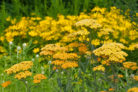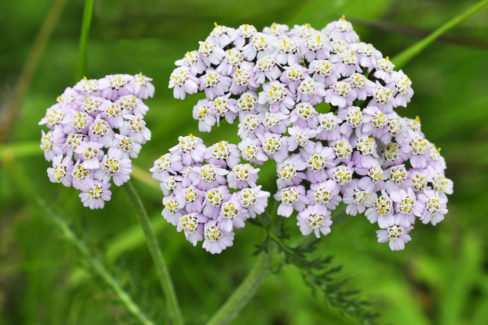
Yarrow is a garden favorite, but for beginners, it’s pretty easy to mistake it for other white-flowering plants in the carrot family. If you’re planning on using it for its medicinal properties, mistaking it for a toxic look-alike can be dangerous. That’s why it’s super important to know exactly what features to look for before you start harvesting.
Watch Out for Toxic Look-Alikes
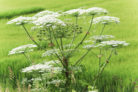
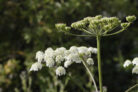
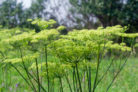
Yarrow can easily be confused with other plants found in woods and along roadsides. Now, if you accidentally pick some Cuckooflower instead, it’s no big deal—it’s edible and you probably won’t even notice the difference. However, mistaking yarrow for poisonous plants like Poison Hemlock or Giant Hogweed can lead to serious health issues.
Only Harvest What You Know
When you’re out foraging, only pick plants that you can identify with 100% certainty. If you have even a tiny bit of doubt about whether you’re looking at a safe yarrow plant, the golden rule of gardening applies: leave it right where it is!
How to Spot Real Yarrow
Luckily, yarrow has a few specific “tells” that help set it apart from the dangerous imposters. When you’re inspecting a plant, pay close attention to:
- The flowers
- The scent
- The leaves
- The overall height
The Flowers and Their Scent
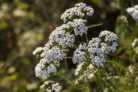
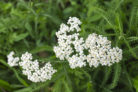
One of the best ways to identify yarrow during its blooming season is by its scent. Those tiny, white, umbrella-like flower clusters have a lovely, slightly sweet fragrance. Don’t be afraid to give them a quick sniff!
Toxic look-alikes like Poison Hemlock and Giant Hogweed also have white flower clusters, but they definitely don’t smell sweet. In fact, Poison Hemlock has a sharp, unpleasant odor that’s usually enough to make you want to back away.
The Leaves
Yarrow leaves are another dead giveaway. They are long, very fine, and feathery—almost like a delicate fern. They look quite dainty and grow in an alternating pattern along the stem.
The Height
Depending on the soil and the specific variety, a full-grown yarrow plant usually tops out at about 30 inches (80 cm). It’s pretty rare to see one hit the three-foot mark.
This height is a major clue when comparing it to Poison Hemlock. Hemlock can tower over you, often reaching up to six or seven feet tall—way bigger than yarrow will ever get!