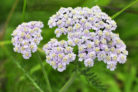
When you’re out foraging, white-flowering Yarrow can be a bit of a trickster. In the wild, it looks a lot like several other plants with umbrella-shaped flower clusters. While mixing it up with a harmless neighbor isn’t a huge deal, mistaking it for something toxic can be downright dangerous.
Yarrow Look-Alikes
You’ll often spot Yarrow growing along roadsides and forest edges right next to plants that look almost identical. If you’re planning on using it as a healing herb, you’ve got to be 100% sure you’ve got the right plant before you harvest.
The Harmless Mix-up: Cuckooflower
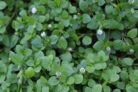
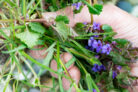
One of the most common mix-ups is with Cuckooflower (Wiesenschaumkraut). The good news? Cuckooflower is actually edible and useful in its own right. If you accidentally grab some, it’s no biggie—most people wouldn’t even realize they made a mistake!
The Dangerous Doubles: Toxic Plants
This is where things get serious. Mistaking Yarrow for its poisonous cousins can be a major health risk. You really need to keep an eye out for:
- Poison Hemlock
- Giant Hogweed
Poison Hemlock
Eating Poison Hemlock is a nightmare scenario. It can cause everything from a burning sensation in your mouth and trouble swallowing to nerve paralysis and respiratory failure.
When it’s fully grown, Poison Hemlock can tower up to six feet tall, which makes it pretty easy to tell apart from Yarrow (which usually tops out at about 30 inches). However, when the plants are young and small, they look remarkably similar.
Here’s the pro tip: look at the stems. Poison Hemlock stems are covered in distinct little purple or red spots, while Yarrow stems are solid green. Also, give it a sniff—if you dare! Poison Hemlock has a sharp, nasty odor that smells a lot like mouse urine. Definitely not something you’d want in your tea!
Giant Hogweed
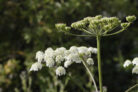
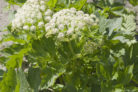
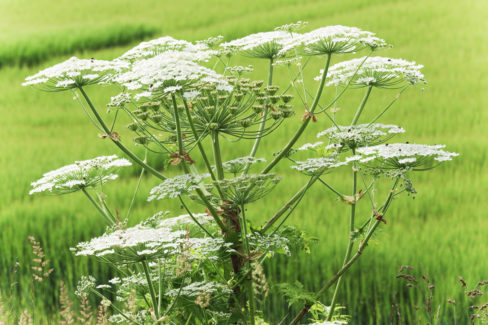
Another dangerous double is Giant Hogweed. Unlike Hemlock, you don’t even have to eat this one for it to hurt you. Just brushing against it with your bare skin can cause severe irritation and nasty chemical burns. To make matters worse, the reaction gets even more painful when exposed to sunlight.
While Giant Hogweed has those same white, umbrella-like flower clusters, you can tell it apart by its leaves. Hogweed has massive, jagged, deeply lobed leaves that look nothing like the delicate, feathery foliage of a true Yarrow plant.