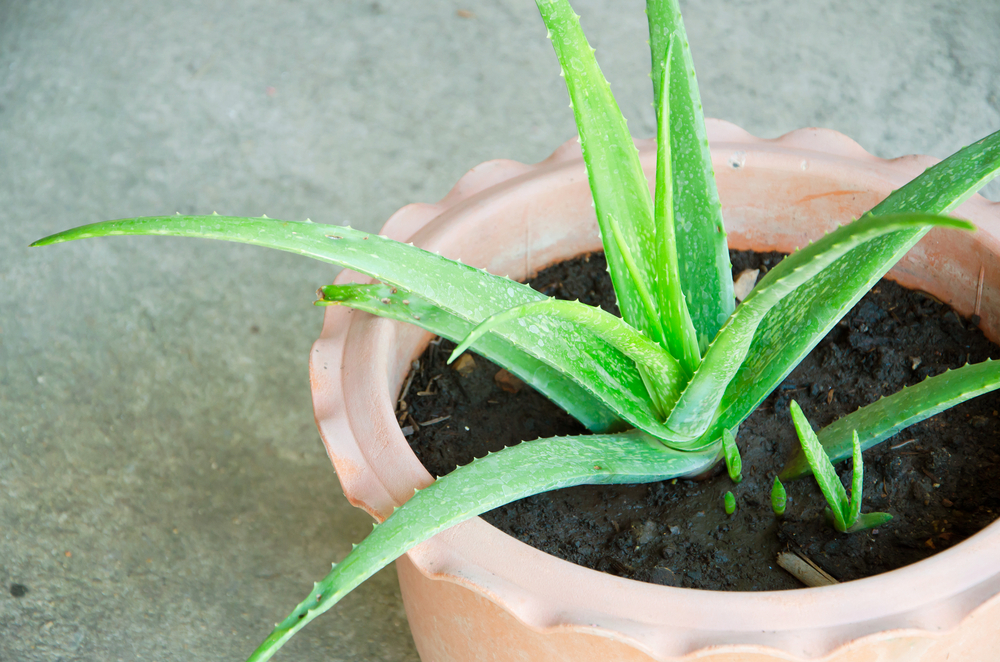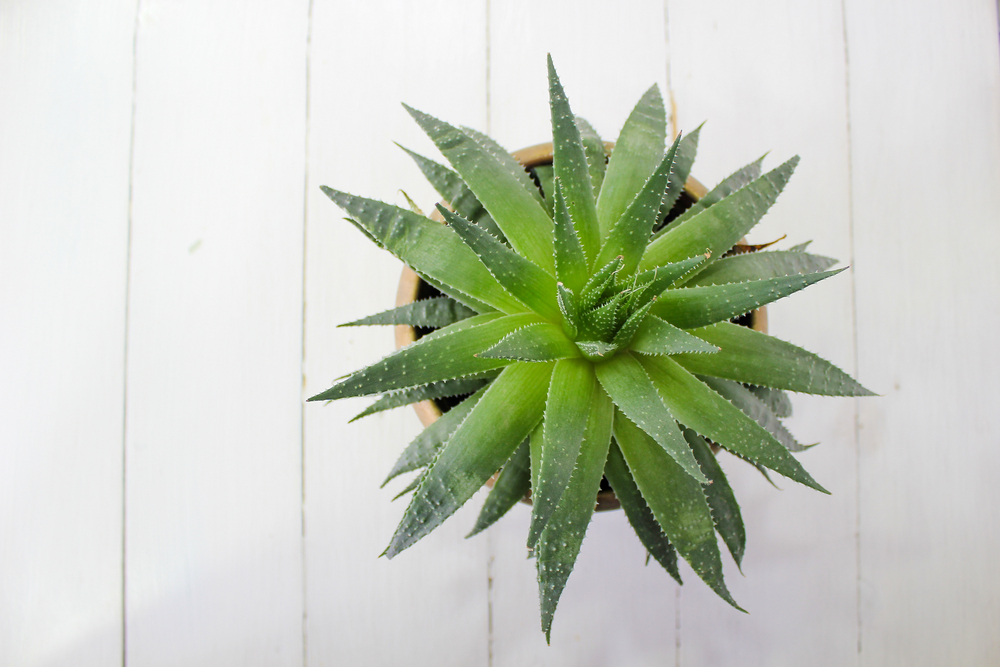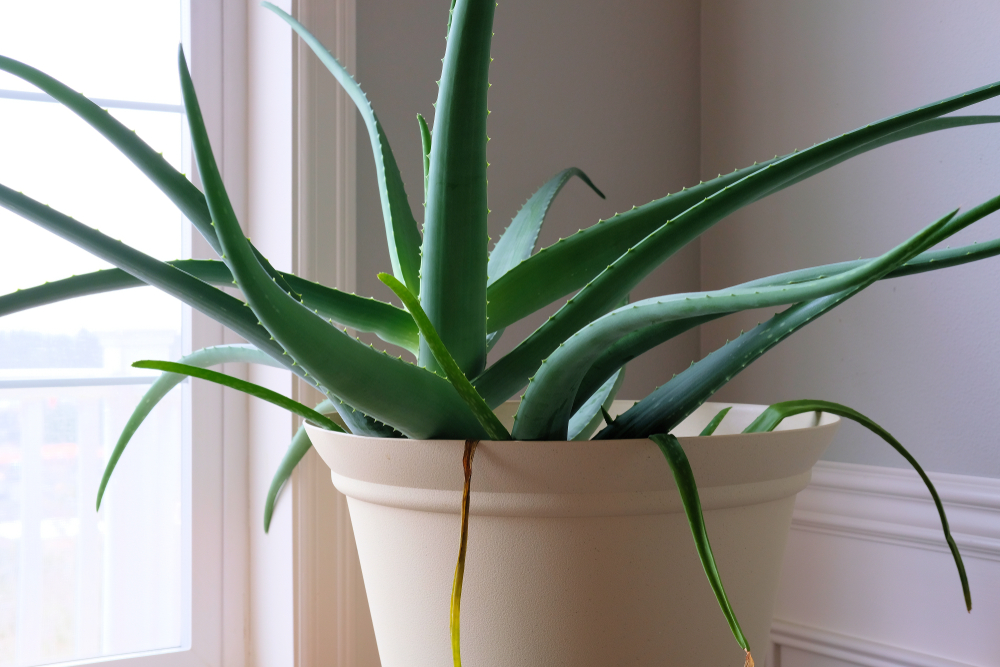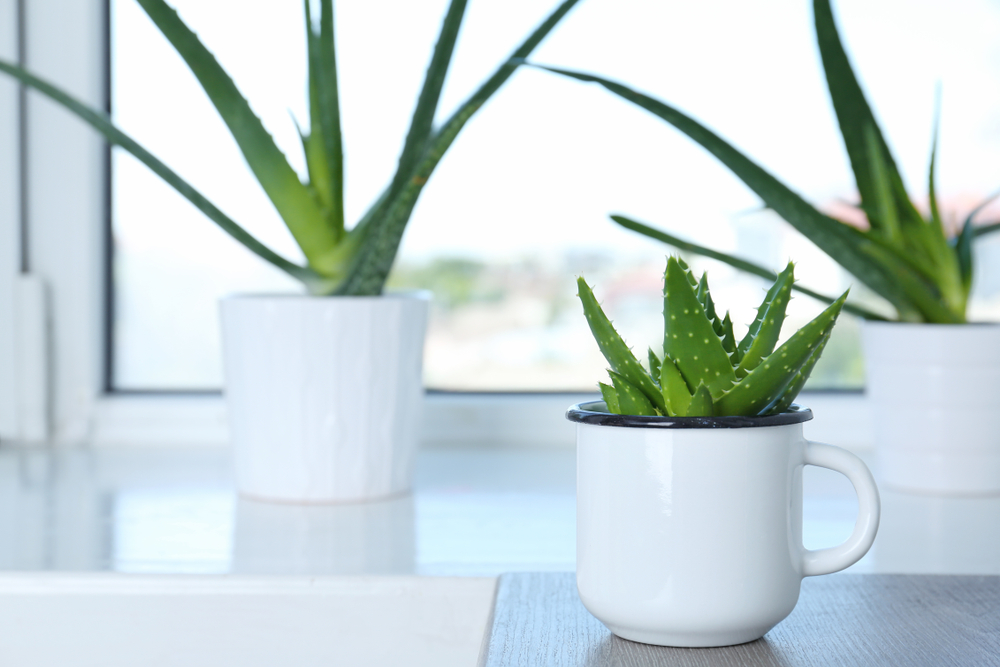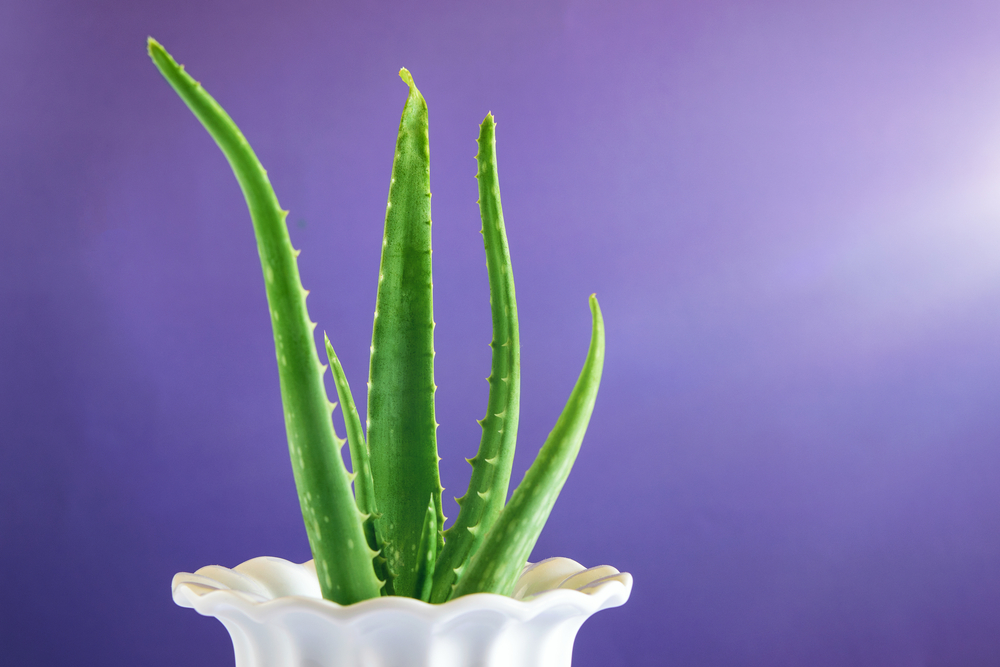
Originally hailing from warm, arid regions, Aloe Vera is one of the easiest houseplants to keep happy. It’s a champion at surviving long dry spells, thanks to those thick, fleshy leaves that act like built-in water tanks. However, that same water storage makes them super vulnerable when the temperature drops.
Aloe Vera and Frost
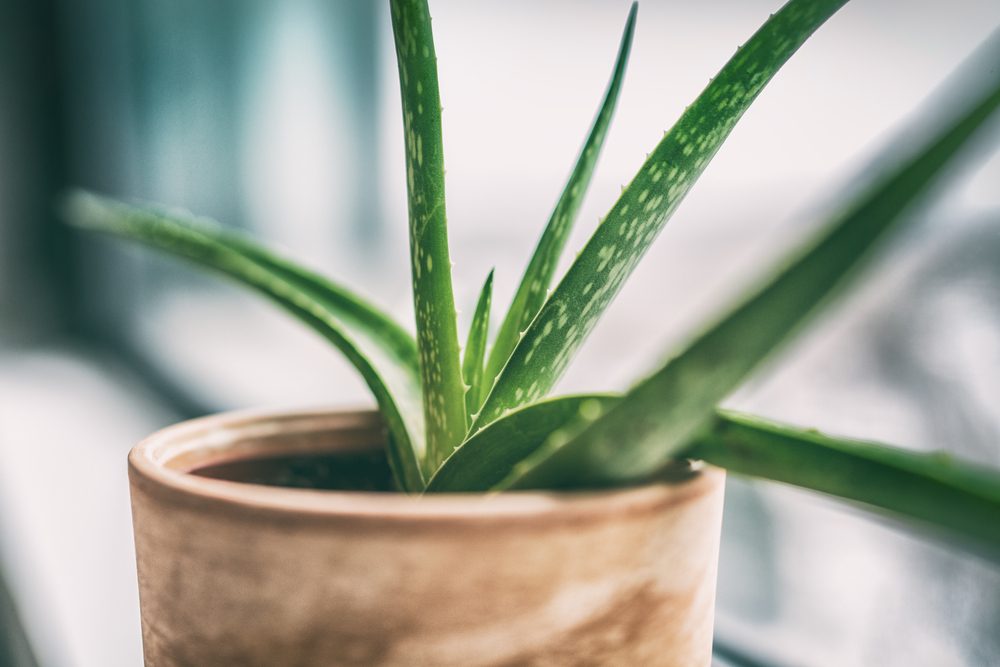
As a tropical native, Aloe Vera is definitely not a fan of the cold. In fact, freezing temperatures will completely destroy its leaf tissue. During the warm spring and summer months, your Aloe’s leaves will look plump and glossy green. But once things dip below 50°F (10°C), the plant starts getting uncomfortable. If it hits 40°F (5°C) or lower, you’re almost guaranteed to see some damage. The water stored in the leaves begins to freeze, turning them translucent or “glassy.” If it gets even colder, the tissue breaks down entirely—the leaves turn mushy, darken, and eventually die. If the roots freeze, unfortunately, it’s usually game over for the plant.
Avoiding Frost Damage
Your Aloe will love soaking up the sun on your balcony or patio during the summer. But as soon as the evening air starts to feel crisp, it’s time to move your succulent indoors. Even one unexpectedly chilly night can cause discolored tips or those dreaded glassy spots.
First Aid for Frost Damage
If your plant accidentally caught a bit of a chill, don’t panic! Here’s how you can try to save it:
- Move the plant inside immediately, but keep it out of direct sunlight for a bit while it acclimates.
- Stop watering. You want the damaged areas to dry out, not rot.
- Once the damaged spots have dried up, carefully prune them away.
- If the plant looks really rough, check the roots and trim away any mushy or damaged sections.
After that, it’s a waiting game. If your Aloe is a fighter, it’ll eventually start pushing out fresh new growth.
Winter Dormancy
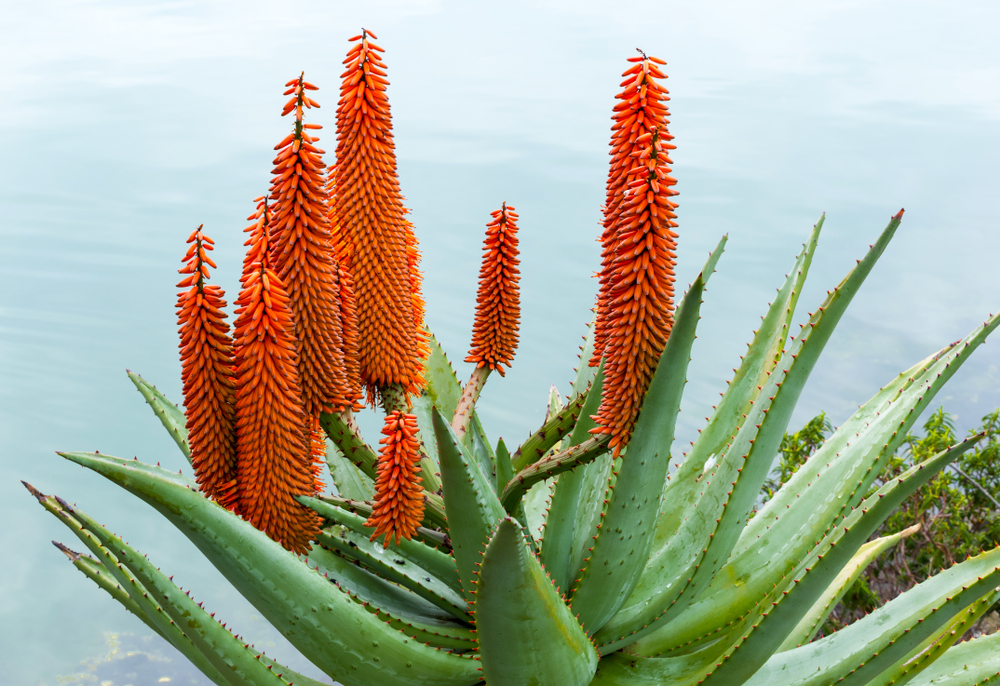
Once your Aloe has recovered from any cold snaps, it’s best to let it overwinter in a cool room (ideally between 50°F and 60°F). During this time, you can pretty much ignore it—no fertilizer and very little to no water. This “winter nap” is actually super important because it encourages the plant to produce those stunning red, yellow, or orange flower spikes in the spring.
By June, once you’re absolutely sure the night frosts are gone for good, your Aloe is ready to head back outside to its favorite sunny spot on the patio!