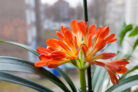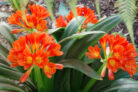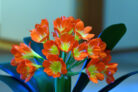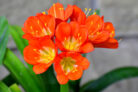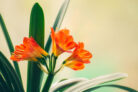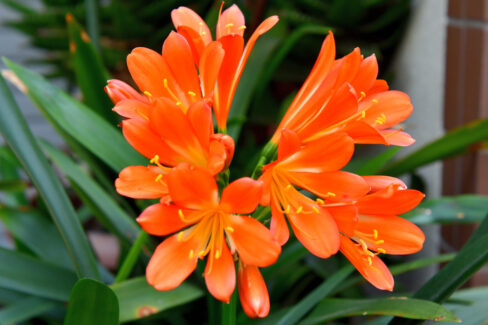
With those stunning dark green leaves and vibrant orange-to-red blooms, the Clivia (or Natal Lily) is a total classic for any indoor plant collection. But to keep yours looking its best, you’ve got to know how to spot trouble before it takes over. Whether it’s a pesky bug or a case of “too much love,” here’s how to troubleshoot your Clivia like a pro.
How prone are Clivias to diseases?
The good news? Clivias are actually pretty tough. Most of the “sicknesses” you’ll see aren’t caused by viruses or bacteria, but rather by little hiccups in their care routine. You’ll know your plant is trying to tell you something if you notice:
- Discolored leaves
- Wilting foliage
- A stunted flower stalk
Troubleshooting leaf issues
If you see yellow leaves, your plant is likely getting too much sun or the root ball has dried out completely. Overdoing it with fertilizer can also cause that unsightly yellowing. If you don’t adjust your routine, those leaves will eventually turn brown and wither away. To fix this, try watering more consistently and dial back the plant food. Trim off any scorched leaves and move your Clivia to a spot with more indirect light.
On the flip side, brown tips on the leaves usually mean you’re being a bit too heavy-handed with the watering can. Standing water leads to root rot, which is a Clivia’s worst nightmare. To save it, pop the plant out of its pot, trim away any mushy, rotten roots, and let the root ball dry out for a bit. Then, repot it into fresh, well-draining soil.
The mystery of the short flower stalk
Normally, Clivia flowers sit high and proud on a long, elegant stalk. If your flowers are blooming deep down inside the leaves on a short stalk, it’s usually because the plant is too warm or getting too much water during its rest period. Move your plant to a cooler spot and cut back on the water to help that stem stretch out next time.
Which pests love Clivias?
Scale and mealybugs are the most common uninvited guests, and they absolutely love a warm, dry environment. Keep an eye out for:
- Armored scale
- Woolly aphids
- Mealybugs
If you spot these critters, start by giving your Clivia a lukewarm shower to wash most of them away. For a more thorough treatment, you can wipe down the leaves with a mix of water, a little dish soap, and a splash of rubbing alcohol. Let it sit for a few hours to do its magic, then rinse the leaves clean with fresh water.