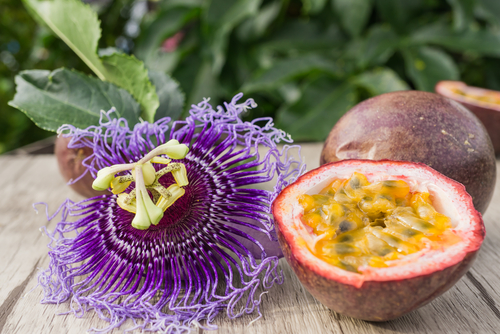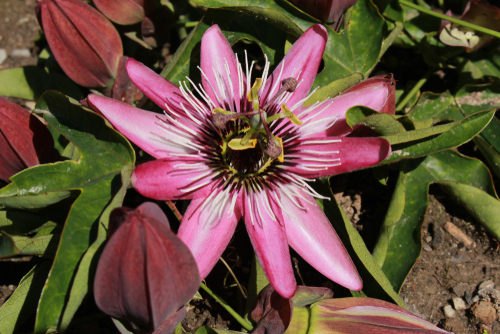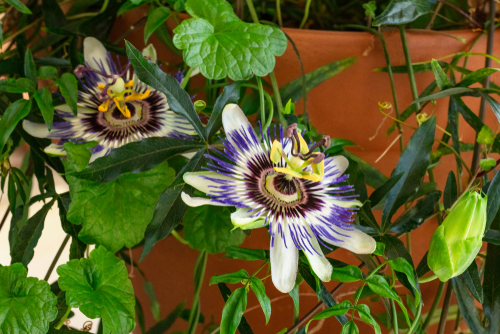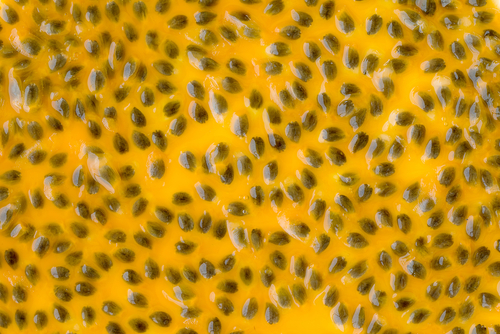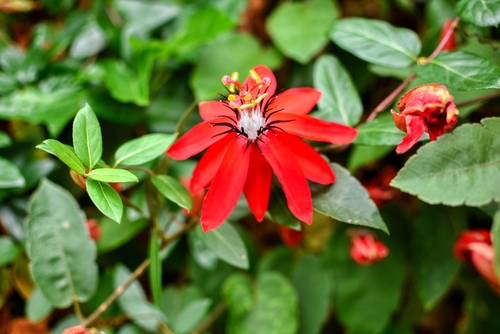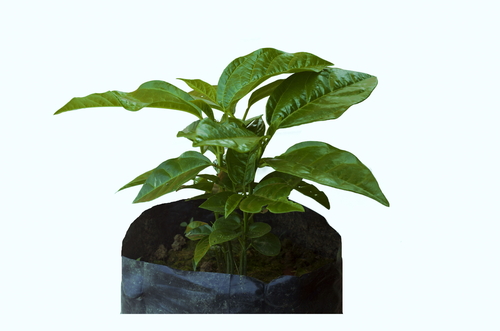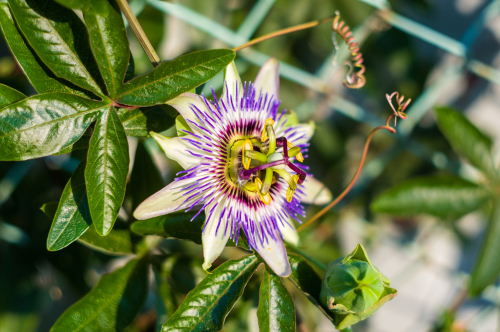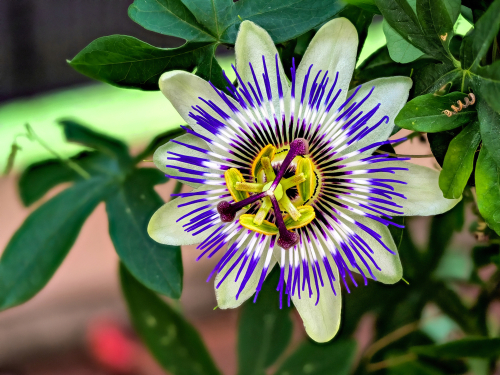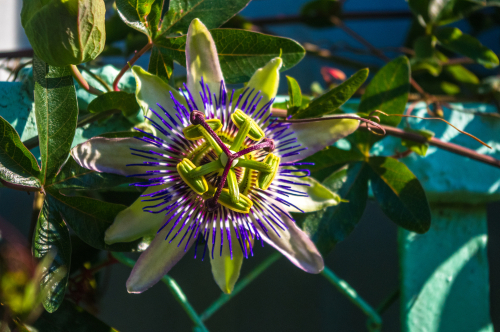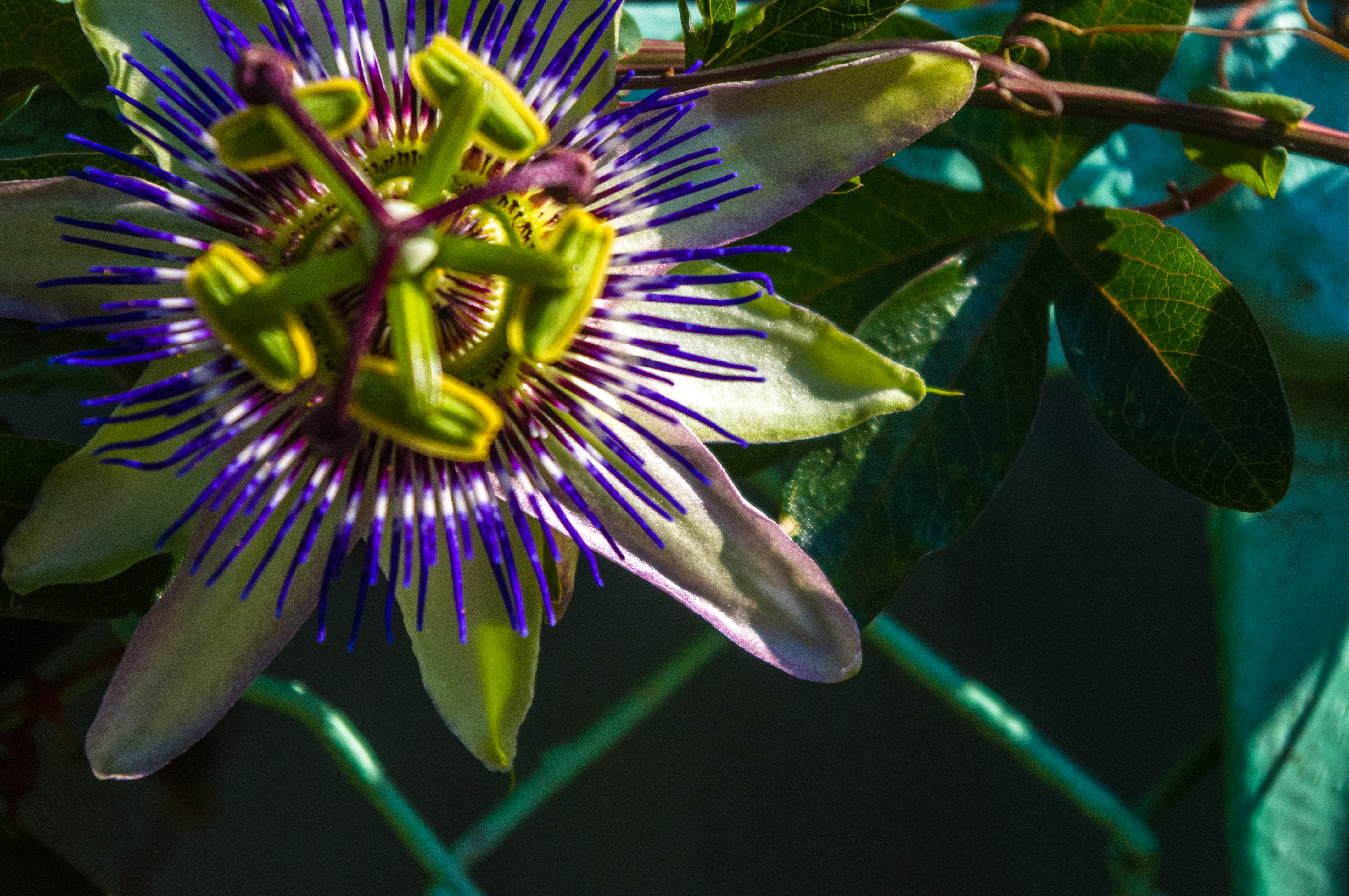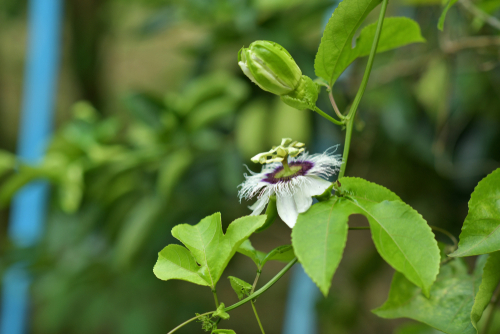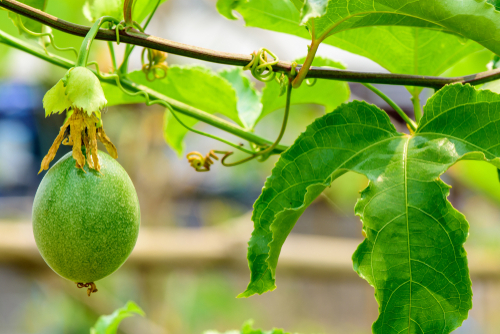
If you’re looking to harvest your own passion flower seeds, you might not have to look further than your local grocery store! Out of the 500+ species of *Passiflora*, the common passion fruit (Maracuja) is a staple in many well-stocked produce aisles. Of course, if you’re already growing these beauties at home, you can harvest the seeds directly from your own plants.
A Bit of a Challenge
I’ll be honest with you: growing passion flowers from seeds you’ve harvested yourself is a bit of an advanced gardening project. The challenge starts with pollination; it rarely happens on its own in nature, and very few varieties are self-pollinating. This means you’ll usually need at least two different plants to get the job done. To play matchmaker, use a pair of tweezers to grab an anther (the pollen-bearing part) from one plant and gently brush it against the stigma of a flower on your second plant.
How to Harvest and Plant Your Seeds
If your hand-pollination is a success and those flowers turn into fruit, here’s how to process them:
- Scoop the seeds out of the pulp.
- Fill your starter pots with high-quality seed-starting mix.
- Press the seeds lightly into the soil. Don’t bury them! *Passiflora* seeds are “light germinators,” meaning they need light to wake up.
- Give the seeds and soil a good misting.
- Place your pots in a bright, warm spot—ideally between 68°F and 77°F (20-25°C).
- Keep the substrate consistently moist.
A sunny windowsill above a heater or a warm spot in a greenhouse is usually your best bet. Providing these ideal conditions is key, as the germination rate for passion flowers can be a little stubborn.
Edible Varieties
While we mostly think of passion fruit for propagating new plants, a handful of the 500+ species are actually delicious. While most passion fruits aren’t necessarily harmful to eat, only a few varieties really have that sweet, signature flavor we love:
- P. edulis forma edulis (Purple Passion Fruit)
- P. edulis forma flavicarpa (Yellow Passion Fruit)
- P. ligularis (Sweet Granadilla)
- P. quadrangularis (Giant Granadilla)
- P. alata (Winged-stem Passion Flower)
- P. incarnata (Maypop)
- P. vitifolia (Perfumed Passion Flower)
One Important Warning!
Safety first: out of the vast *Passiflora* family, the *Decaloba* subgenus is actually toxic. You definitely want to avoid eating any fruit from this specific group. Stick to the edible varieties listed above, and you’ll be golden!