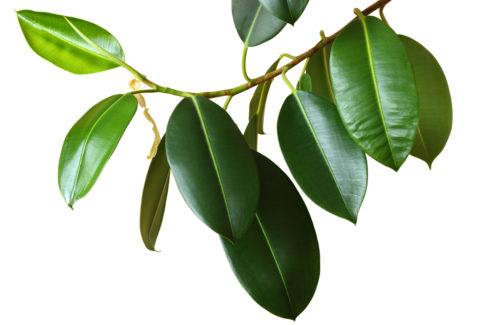
For the past few years, the Rubber Plant (botanically known as *Ficus elastica*) has made a huge comeback as one of our favorite indoor plants. Since it belongs to the *Ficus* (fig) family, a lot of plant parents wonder: does this guy actually grow fruit?
Does the Rubber Plant produce fruit?
Just like its close relatives in the *Ficus* genus, the Rubber Plant does indeed develop fruit. In the wild, these fruits contain the seeds the plant needs to reproduce. However, if you’re growing one in a pot at home, it’s incredibly rare—almost unheard of—to see any fruit at all.
The reason? Indoor Rubber Plants hardly ever (honestly, basically never) bloom. And as we know, no flowers means no fruit. This “refusal” to bloom usually comes down to the climate; our indoor environments are just too different from the tropical and subtropical homes where these plants naturally thrive.
What do they look like?
Even though the Rubber Plant is a cousin of the Common Fig (*Ficus carica*), their fruits look totally different. If your Rubber Plant did manage to produce “figs,” they would be:
- Oval-shaped
- Only about half an inch (1 cm) long
- Yellowish-green when ripe
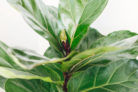
You’ll usually spot them tucked into the leaf axils (the spot where the leaf meets the stem) on younger branches. So, if you happen to see tiny green nubs on your plant, there’s a chance you’re looking at actual figs!
Are they edible?
While they might be related to the delicious figs we buy at the grocery store, don’t go planning a snack just yet. The fruits of the *Ficus elastica* are considered inedible and definitely don’t taste good. Stick to the store-bought ones for your cheese board!
Can you grow new plants from the seeds?
Since the fruit isn’t good for eating, you might wonder if you can at least use the seeds to grow new baby plants. Unfortunately, that’s a “no” as well. While the figs do contain seeds, they are only fertile if the flower was pollinated by a very specific type of fig wasp. Since those little wasps aren’t native to North America, the seeds in an indoor plant won’t be viable.