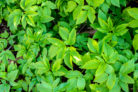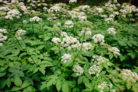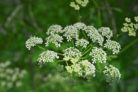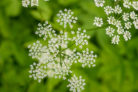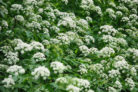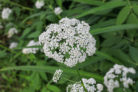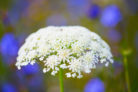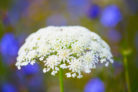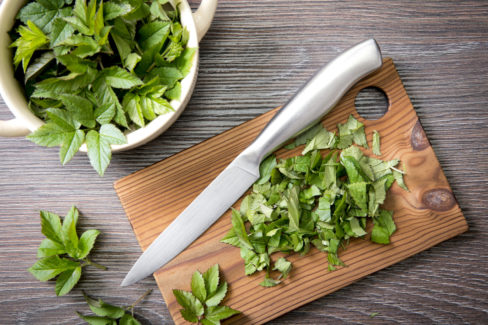
Goutweed (or Ground Elder) is way more than just that stubborn weed taking over your flower beds. Packed with Vitamin C, loaded with minerals, and boasting natural anti-inflammatory properties, this wild herb is actually a nutritional powerhouse. It’s got a lot to offer in the kitchen, too! I’ve rounded up the best ways to put this “weed” to work on your dinner table.
Eating Goutweed: Which parts are edible?
Centuries ago, people knew exactly how valuable goutweed was as a food source, especially during lean times or war years when food was scarce. Back then, folks mostly stuck to the foliage. Today, we know better: the flowers and the seeds (fruits) are also perfectly safe and delicious to eat.
Pro Tip: The only part you want to skip is the root. The roots contain toxic compounds and aren’t easy on the stomach like the rest of the plant.
What does goutweed taste like?
If you snack on goutweed fresh and raw, you’ll notice a flavor that’s a cross between parsley and carrots. Since it’s a biological relative to both, that aromatic, slightly peppery kick makes total sense!
When cooked, however, this herb tastes remarkably like spinat. That’s why it’s a popular substitute for leafy greens when you want to switch things up in the kitchen. A good rule of thumb: young, tender shoots are much milder and softer. Older leaves tend to be tougher, more bitter, and have a much stronger spicy profile.
Pro Tip: Save those older, tougher leaves for drying out to use as a savory seasoning. The young sprouts, on the other hand, make a delicious raw addition to any meal.
Ways to use edible goutweed
Even though almost the whole plant is fair game, the leaves are the real stars of the kitchen. Just pluck them from the stems and you can use them fresh, cooked, or dried. The green foliage is also the go-to choice for herbal remedies.
Using it as a culinary herb and spice
Since it’s a health booster full of Vitamin C, iron, and potassium, goutweed is a fantastic addition to green smoothies or fresh juices. Just toss it in the blender with your favorite fruits and veggies or run it through the juicer.
It also shines in herb-infused cream cheese (Quark), pasta sauces, as a side for potatoes, or even as a unique pizza topping. It’s a first-class ingredient for soups, salads, pesto, and hearty stews. If you want to use the seeds as a spice instead of the leaves, just grab a mortar and pestle and grind those little brown seeds up.
Using it as a medicinal plant
When it comes to home remedies, dried goutweed is your best friend. You can brew the dried leaves into an aromatic tea that’s traditionally used to help with symptoms of rheumatism, gout, or arthritis.
Beyond that, this soothing herb is known for being anti-inflammatory, great for digestion, and helpful for detoxing the blood. It’s a true multitasker from the garden!