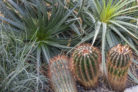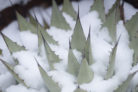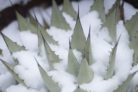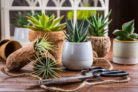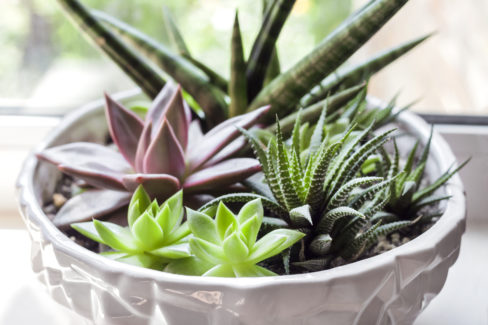
With their stunning evergreen rosettes and “set it and forget it” attitude, agaves have become a total favorite for indoor gardeners. It’s no surprise that more and more plant parents are adding these desert beauties to their windowsills alongside other exotic buddies like Aloe Vera and cacti.
The Best Way to Grow Agaves Indoors
While a few agave varieties are tough enough to handle a chill outdoors, most of them are actually pretty sensitive to frost. Since their leaves are basically giant water storage tanks, a hard freeze can do some real damage. That’s why growing non-hardy types as permanent houseplants is such a pro move—it saves you the back-breaking work of lugging heavy pots inside every winter and back out every spring.
To keep your agave looking its best, think “sun, sun, and more sun.” A south-facing windowsill is usually the sweet spot where it can soak up all the rays and warm temperatures it needs to thrive. However, even a desert plant likes a little “siesta” in the winter. From mid-November to mid-February, try moving your agave to a slightly cooler spot (around 60°F to 68°F) with a bit less direct light to let it rest.
Choosing the Best Agave for Your Windowsill
Don’t let a cute little baby agave fool you! While they start off small and grow slowly at first, some species hit a “growth spurt” after a couple of years and can quickly take over your entire living room. To keep things manageable, you’ll want to pick a variety that stays compact. Most windowsill-friendly types won’t grow wider than about 20 inches, and since they stay relatively low to the ground, they won’t block your view or the sunlight coming into the room.
Here are a few of my favorite compact agave species:
- Agave victoriae-reginae (Queen Victoria Agave)
- Agave stricta (Hedgehog Agave)
- Agave potatorum (Butterfly Agave)
Mastering the Watering Routine
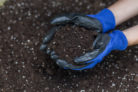
Since these succulents are desert natives, they really don’t need much H2O. The golden rule is to only water your agave when the soil surface feels completely dry and crumbly to the touch. In the heat of summer, you’ll probably find yourself watering every 3 days or so. During their winter dormant phase, though, you should scale back significantly—once a week is the absolute maximum, and often they need even less!