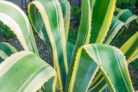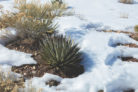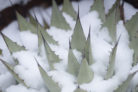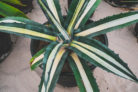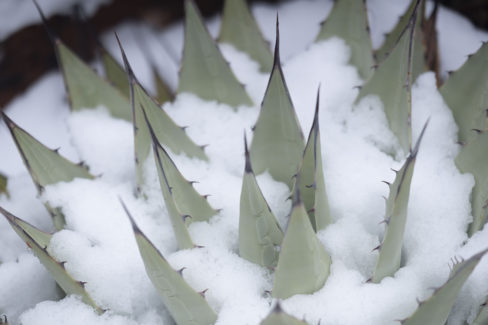
Agaves are generally split into two camps: the cold-hardy varieties and the ones that definitely need to come inside when the temperature drops. While the more delicate types need a cozy indoor spot for the winter, some of the tougher agaves can actually stay outside all year round if you take a few simple precautions.
Cold-Hardy Agaves
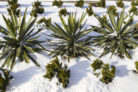
Even though most agaves hail from the scorching deserts of Mexico, a handful of them are surprisingly “winter-hardy.” These tough cookies can handle being planted in the ground, especially in milder climates or during less severe winters. If you’re looking for frost-hardy agaves that can typically stand up to a chilly winter, here are a few of my favorites:
- “Agave parryi”: Often called the Parry’s Agave or Mescal Agave, this beauty can handle temps down to -5° F (-20° C).
- “Agave utahensis”: Another champion that’s hardy down to -5° F (-20° C).
- “Agave inaequidens”: Also very resilient, tolerating dips to -5° F (-20° C).
- “Agave americana”: One of the biggest and most iconic agaves; it’s hardy down to about 15° F (-10° C).
Tips for Wintering Your Agave Outdoors
Even if your agave is tough enough to stay outside, its biggest enemy isn’t actually the cold—it’s moisture. To keep your plant from rotting or developing yellow leaves, you have to protect it from getting “wet feet.” You’ll want to shield your frost-hardy agaves from excess moisture from both above and below during the winter months.
For overhead protection, any kind of roof works wonders. Think about placing your agave under a patio cover, on a sheltered balcony, or even building a simple temporary structure in the garden. To prevent water from pooling at the roots (standing water is a big no-no!), you need good drainage. If your agave is planted directly in the ground, make sure the soil is loose and consider adding a drainage layer of gravel at the bottom of the planting hole.
If your agave is in a pot, you can boost drainage by lining the bottom with broken terracotta shards, large stones, or a bed of gravel. Whether it’s in a pot or in the ground, the right soil mix is key. I recommend a sand-and-soil blend to ensure excellent drainage; aim for about 30% sand to keep things airy and dry.
Pro Tip
For an extra layer of moisture protection, try planting your hardy agave at a slight angle. This clever little trick prevents water from collecting in the center of the leaf rosette, which is where rot usually starts!