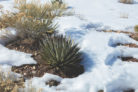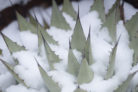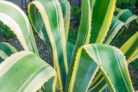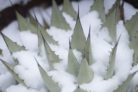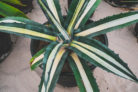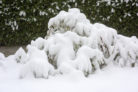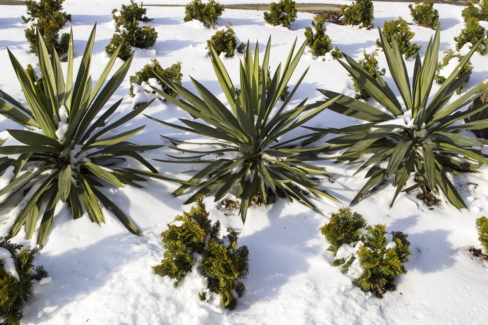
Agaves are the ultimate sun-seekers. These desert beauties thrive on light and heat, which means they aren’t exactly fans of shade, freezing temps, or soggy feet. However, not all agaves are created equal! They generally fall into two camps: cold-hardy varieties and frost-sensitive ones, and each needs a little different TLC to make it through the winter.
Cold-Hardy Agaves: Toughing it Out Outdoors
Believe it or not, a few agave species are surprisingly rugged. These frost-tolerant varieties can handle being outside year-round, especially if you live in a region with relatively mild winters. Some of the most popular “tough guys” in the agave world include:
- Agave inaequidens: Can handle dips down to -4°F (-20°C).
- Agave parryi (Mescal Agave): A fan favorite that survives down to -4°F (-20°C).
- Agave utahensis: Another desert warrior good down to -4°F (-20°C).
- Agave americana: This impressive, oversized species is hardy down to about 14°F (-10°C).
The Real Enemy: Rain and Standing Water
Even if your agave is “winter-hardy,” cold isn’t usually what kills it—moisture is. If the central rosette or the roots sit in water, they’ll rot faster than you can say “succulent.” To keep them happy outdoors, you need to protect them from above and below. A simple roof or overhang (like a patio cover or garage eave) works wonders to keep the rain off.
To prevent “soggy feet,” make sure you have a solid drainage layer of coarse gravel or broken terracotta around the base. Pro tip: Plant your agave at a slight angle. This helps water slide right off the leaves instead of pooling in the center. For an extra layer of protection against the elements, you can lightly cover the base with some brushwood or evergreen branches.
Frost-Sensitive Agaves: Moving Indoors
Most agave varieties are a bit more delicate. Their leaves can get permanent “frost burn” or turn to mush if the temperature drops below freezing. These sun-worshippers need a cozy indoor spot to ride out the winter months. The goal here is to keep them protected from the damp and cold, but you don’t want them *too* warm—we want the plant to go dormant rather than trying to grow in low-light conditions.
Getting the Light and Temperature Just Right
When moving your agave inside, it’s all about the balance between light and heat. If you have a cool spot (like a basement, stairwell, or attic) that stays between 40°F and 50°F (5°–10°C), a little bit of natural light is plenty. However, if your winter home is a warmer spot like a heated sunroom, you’ll need to supplement that natural light with a grow lamp so the plant doesn’t get “leggy.”
Once the spring thaw arrives, you can repot your agave if needed and move it back to its favorite sunny spot outside. During their winter nap (usually November through April), you can pretty much put the watering can away—the moisture stored in those thick leaves is all they need. Just give the leaves a quick dusting before they make their big spring debut!