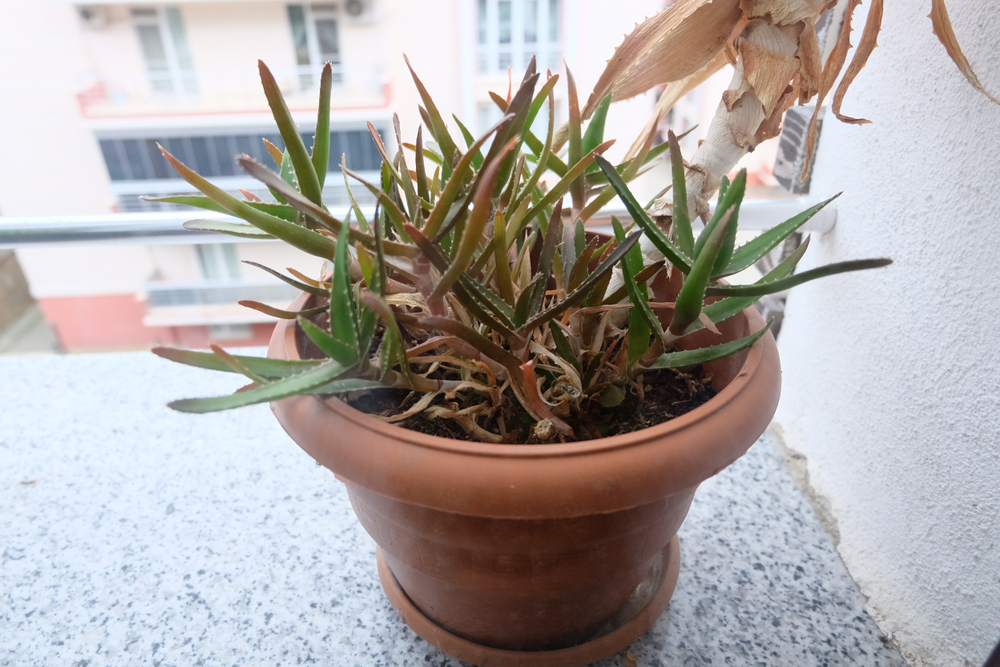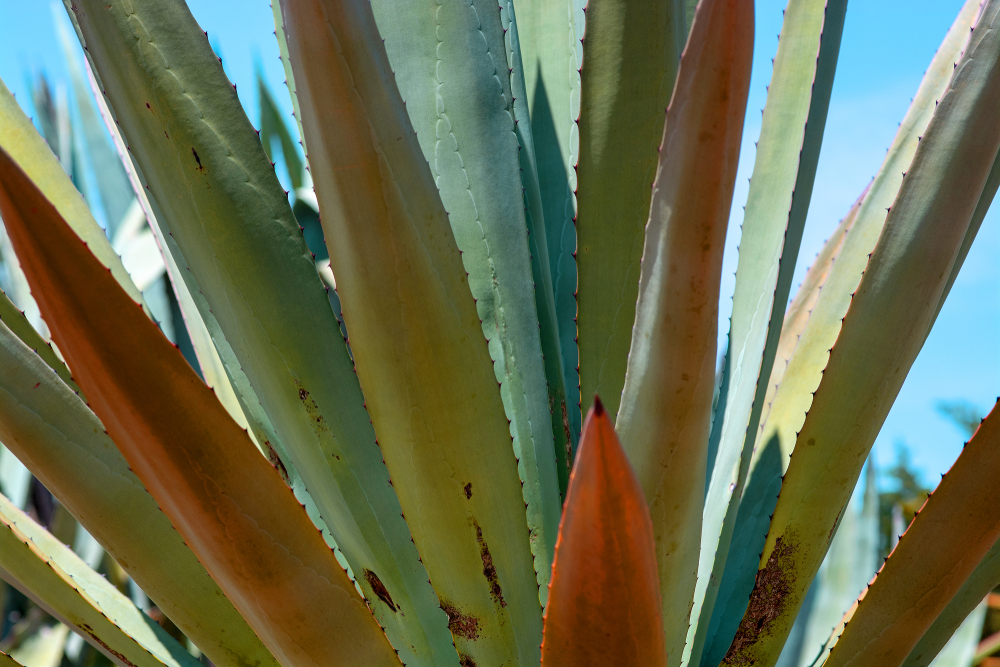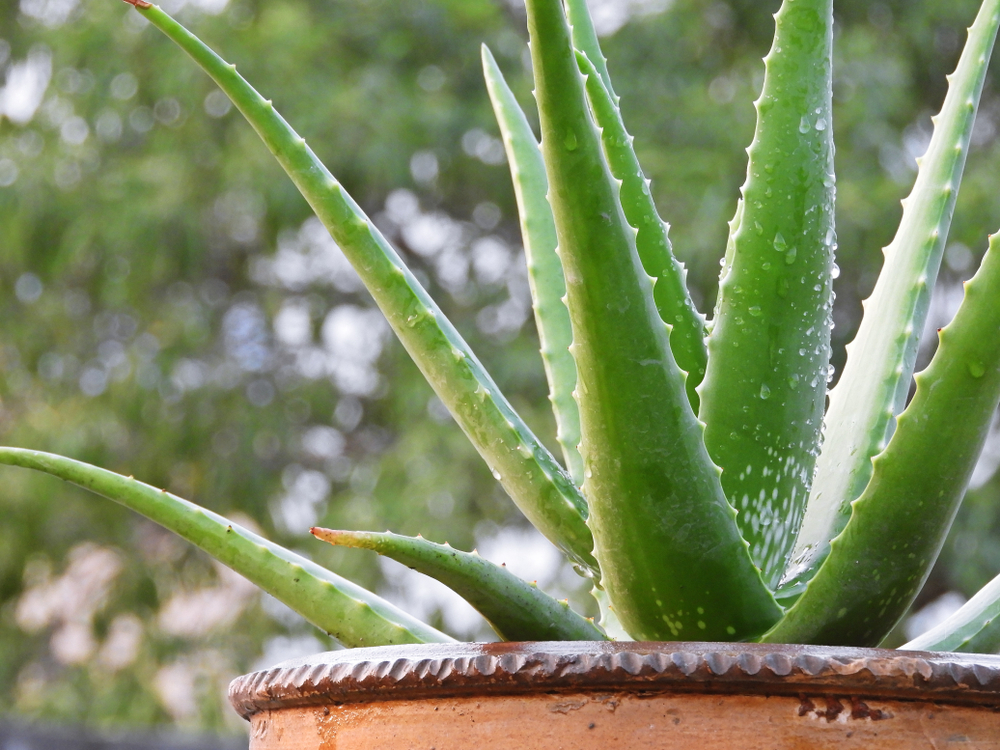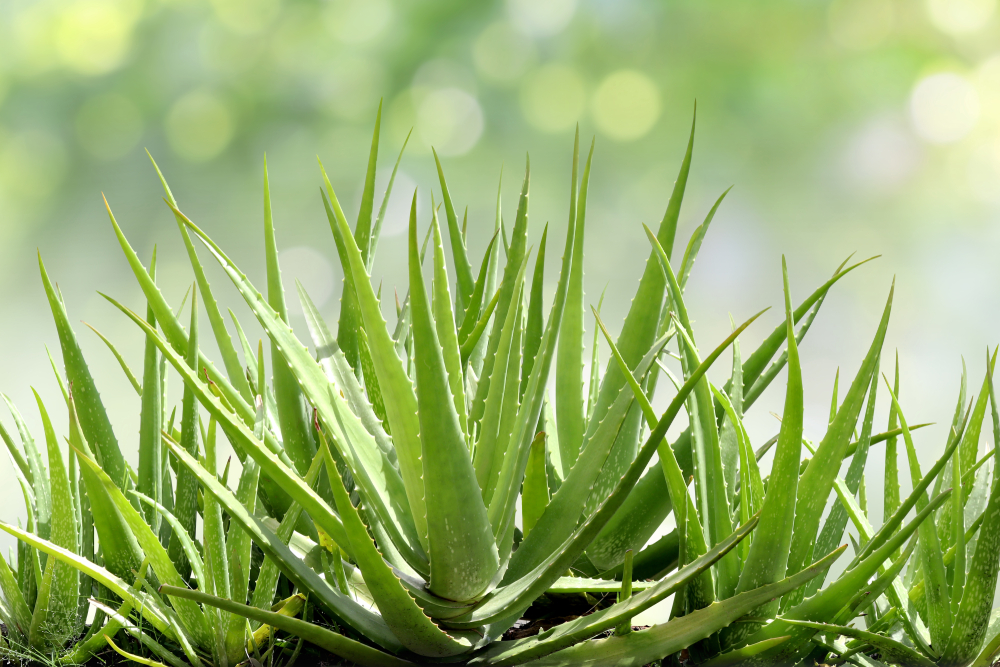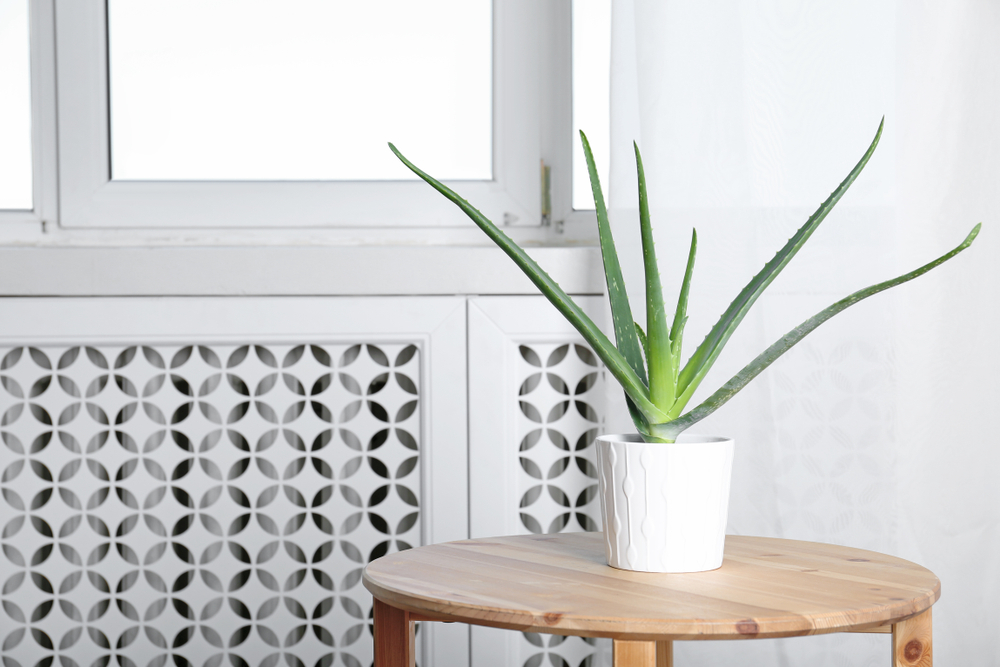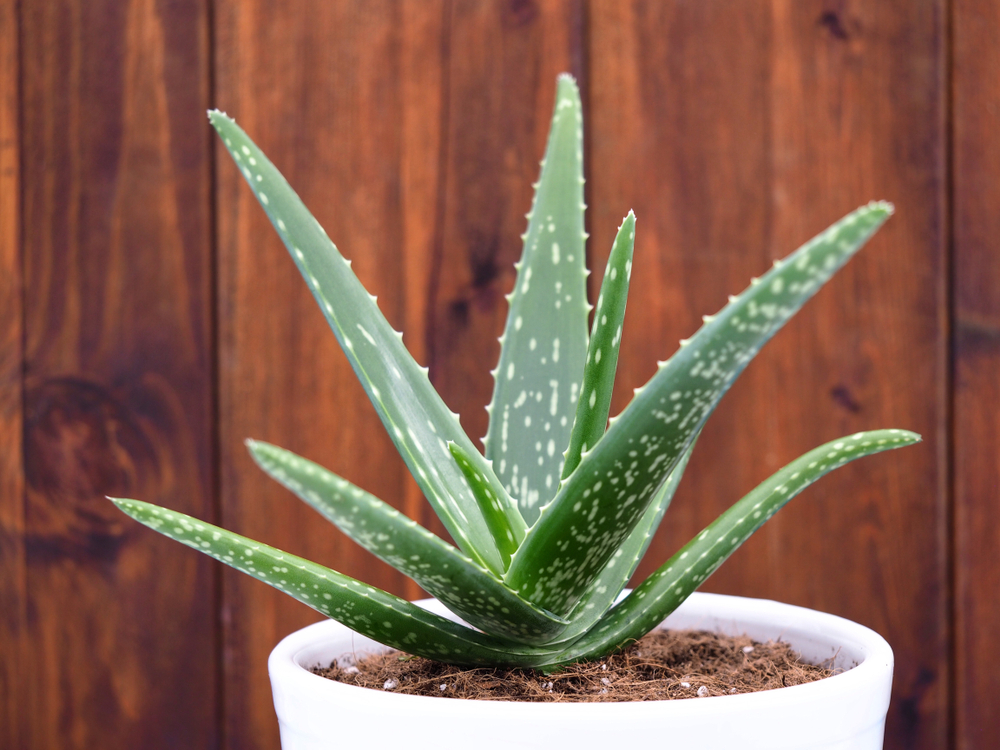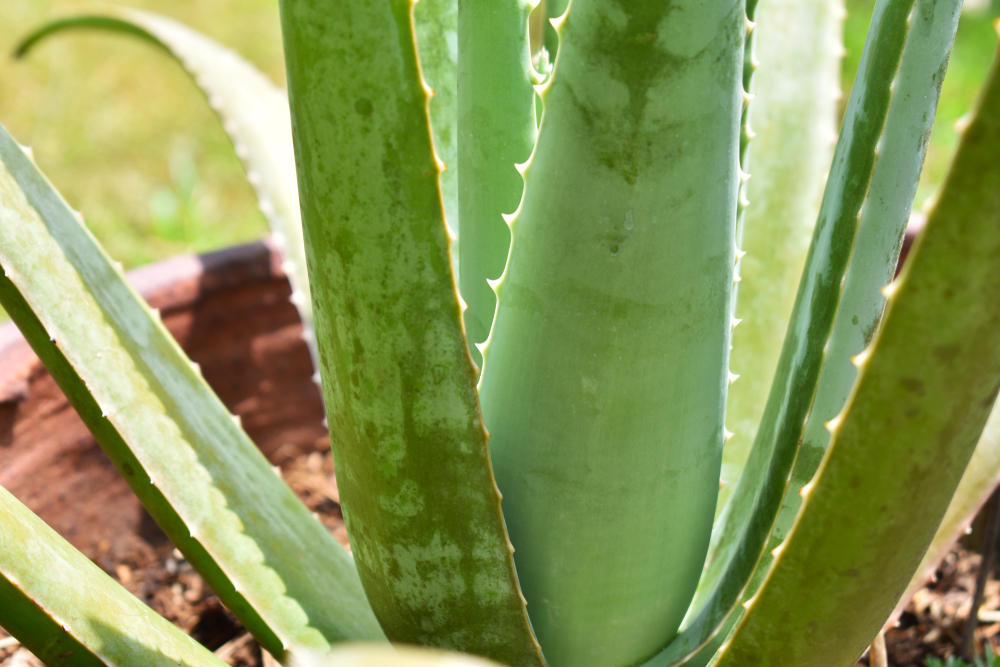
Aloe vera originally hails from tropical and subtropical regions, so it’s no surprise that this plant absolutely loves a sunny, warm spot. Most of us grow them as houseplants, but they’re more than happy to vacation outdoors during the summer months. If your Aloe gets a ton of direct sun, you might notice the leaves turning a reddish-brown color—don’t panic! That’s just the plant’s natural way of putting on “sunscreen.” However, if you start seeing actual brown spots, that’s a sign something else might be going on.
Dealing with Brown Spots on the Leaves
If you notice brownish spots appearing or larger sections of the plant turning brown, it’s usually a cry for help. The most common culprits are:
- Watering mistakes
- Nutrient deficiencies
- Fungal infections
Location and General Care
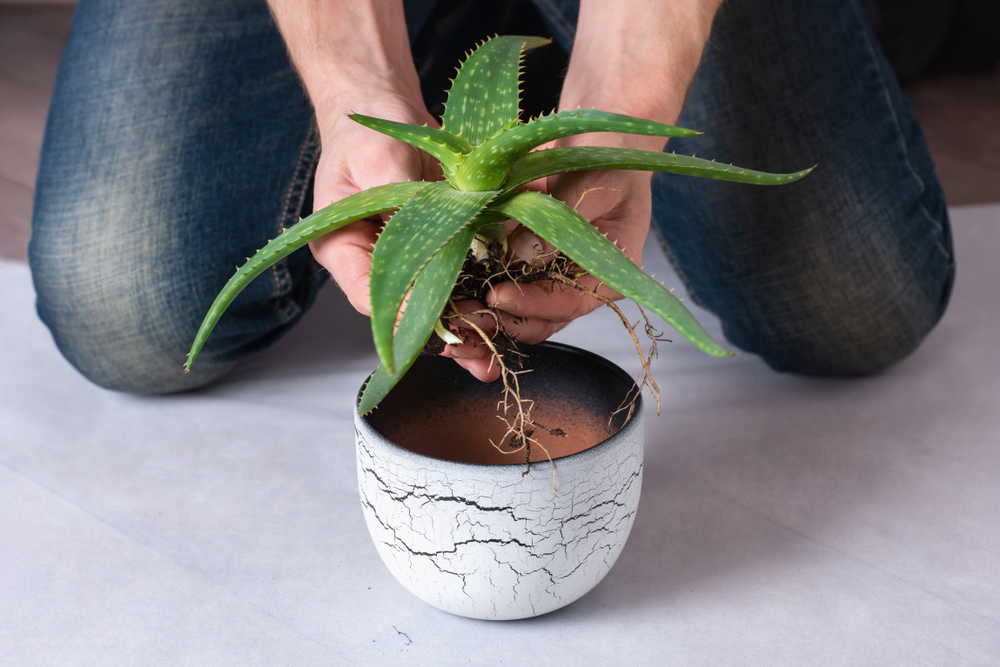
To keep your Aloe vera happy, place it somewhere bright and warm. When it comes to water, less is definitely more. Only grab the watering can once the top layer of soil has completely dried out. These plants hate “wet feet,” so standing water is a big no-no. The perfect potting mix for an Aloe is a blend of good quality soil, sand, and a bit of perlite for drainage. Adding a drainage layer of pot shards or expanded clay at the bottom of the pot helps excess water escape. Too much water quickly leads to root rot, which causes the leaves to turn brown and mushy—and eventually, it can kill the plant.
Nutrient Deficiencies
If you see brown spots that are firm to the touch (not soft or squishy), you’re likely looking at a nutrient deficiency. If your Aloe hasn’t been repotted in a while, it might have used up all the “food” in its soil. You can fix this by using a specialized succulent fertilizer every two weeks, but only during the summer growing season. In the winter, the plant goes into a rest phase and doesn’t need any extra feeding.
Soft, Mushy Brown Spots
If those brown spots feel soft or slimy, you might be dealing with a fungal infection. First things first: quarantine the plant so the fungus doesn’t spread to your other green friends. You’ll need to cut away the affected areas with a clean knife—sometimes this means removing entire leaves. It’s also a good idea to treat the plant with a fungicide specifically made for succulents. To prevent fungus in the future, be stingy with the water and make sure you’re watering the soil directly, keeping the leaves themselves dry.