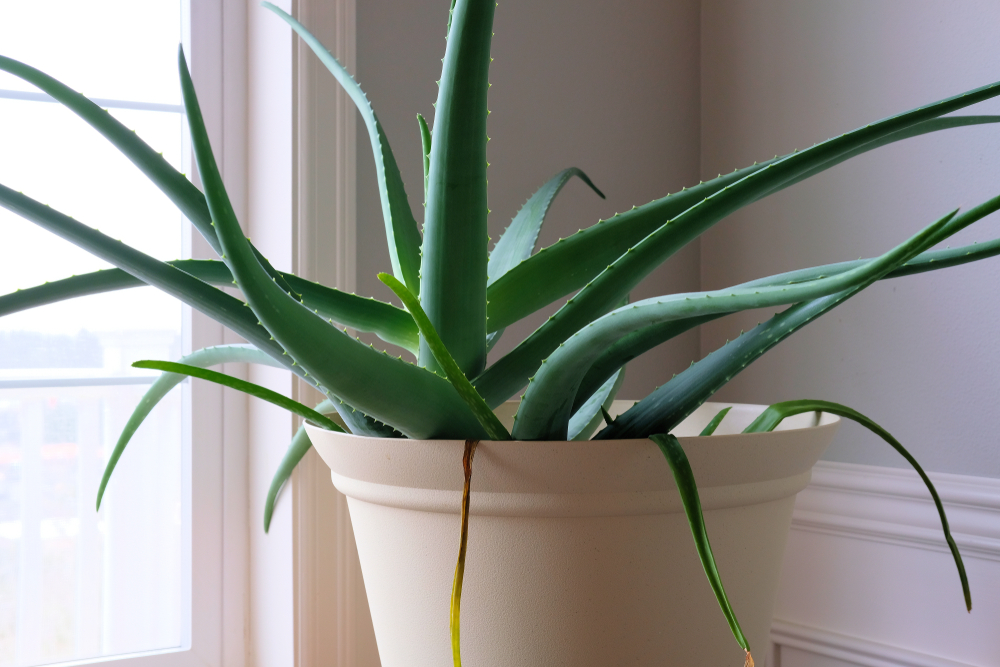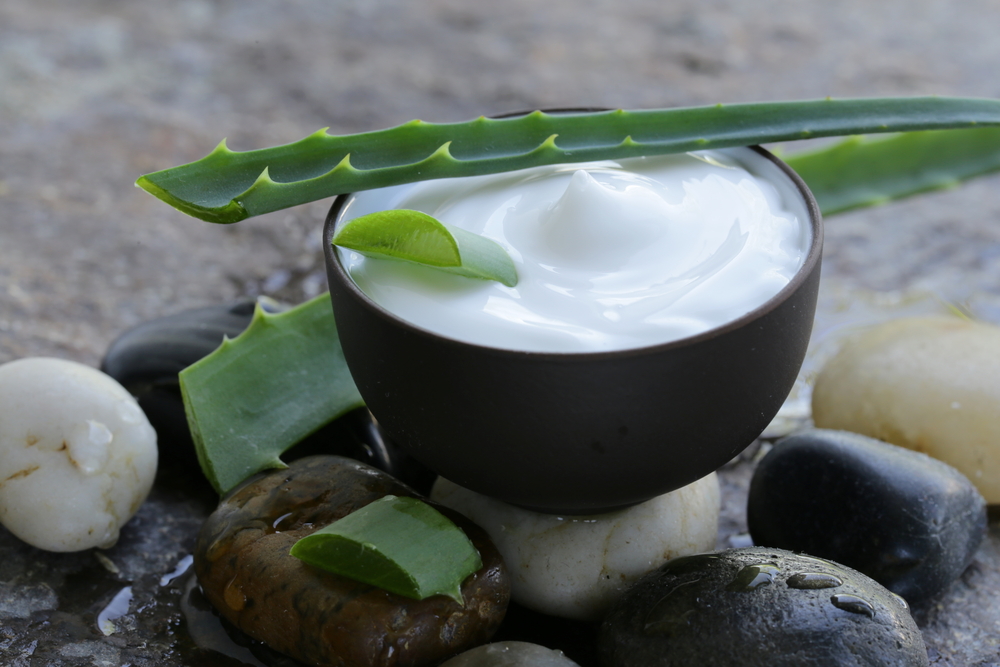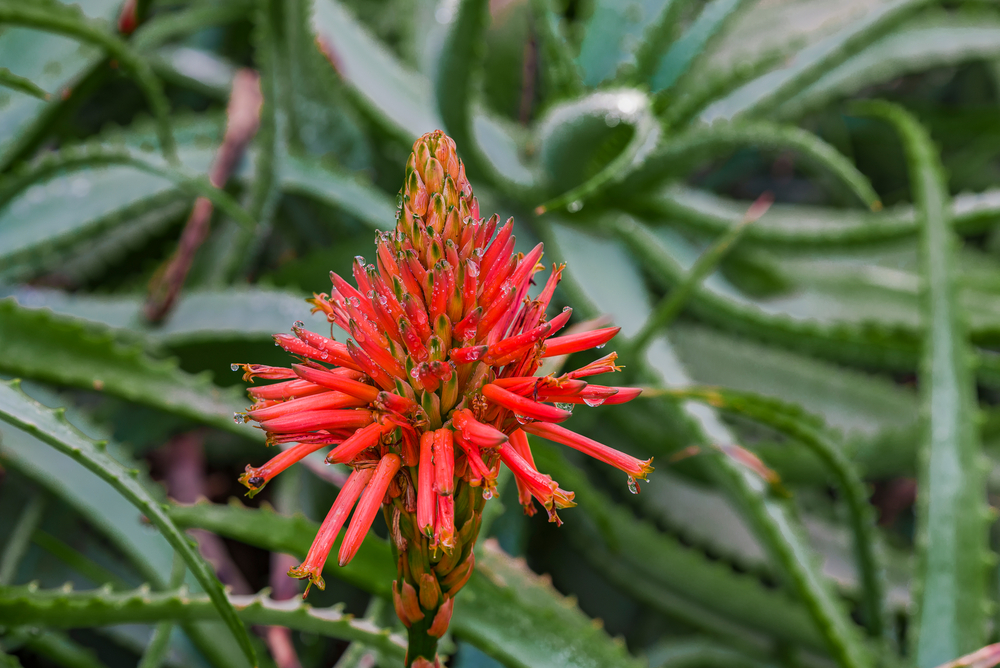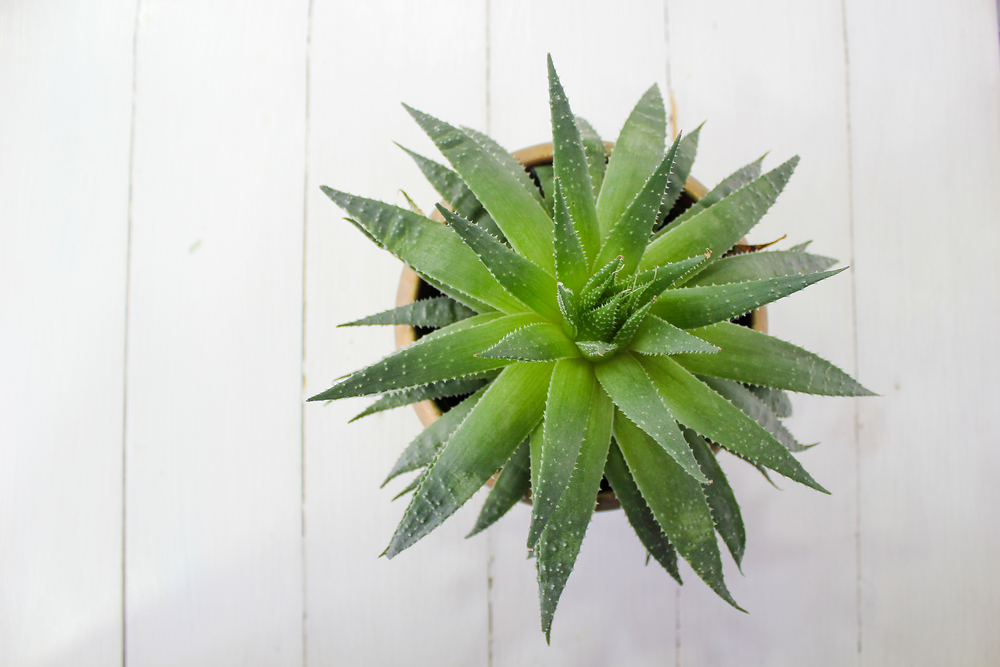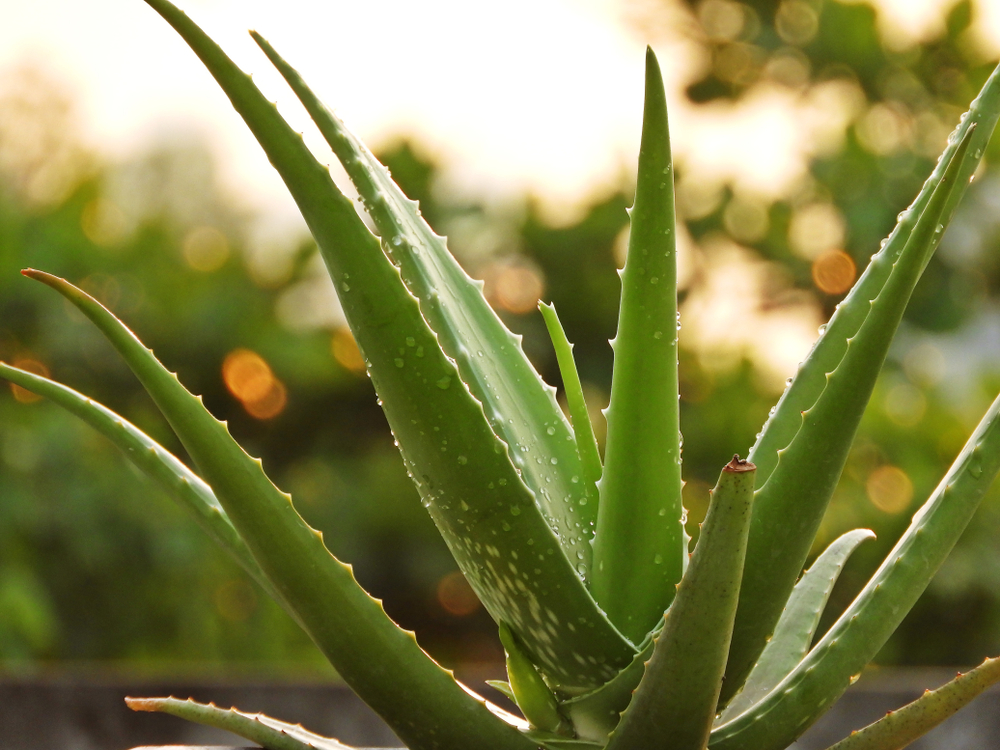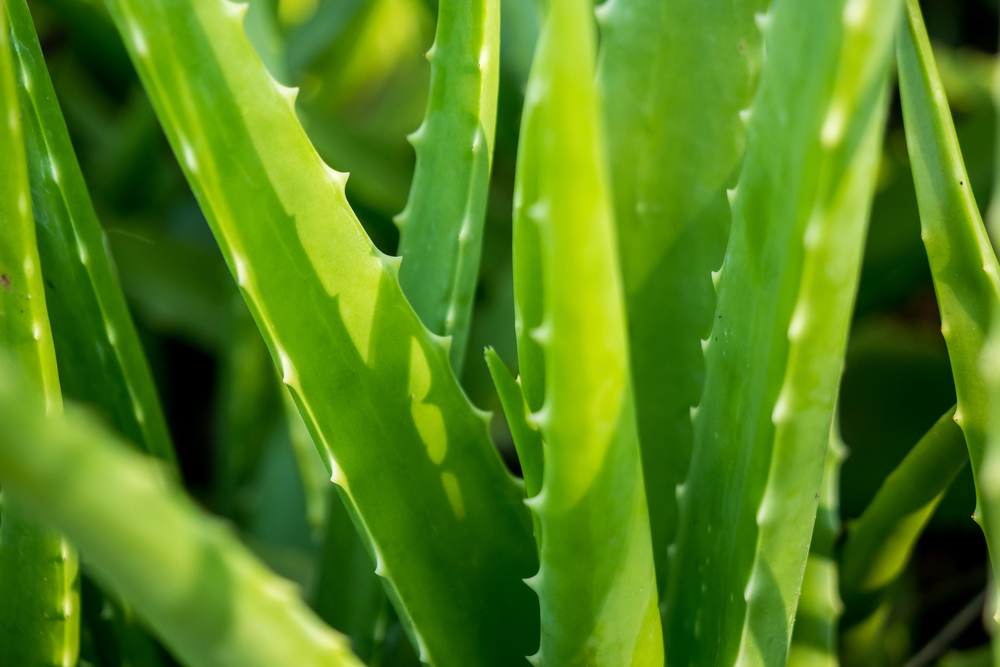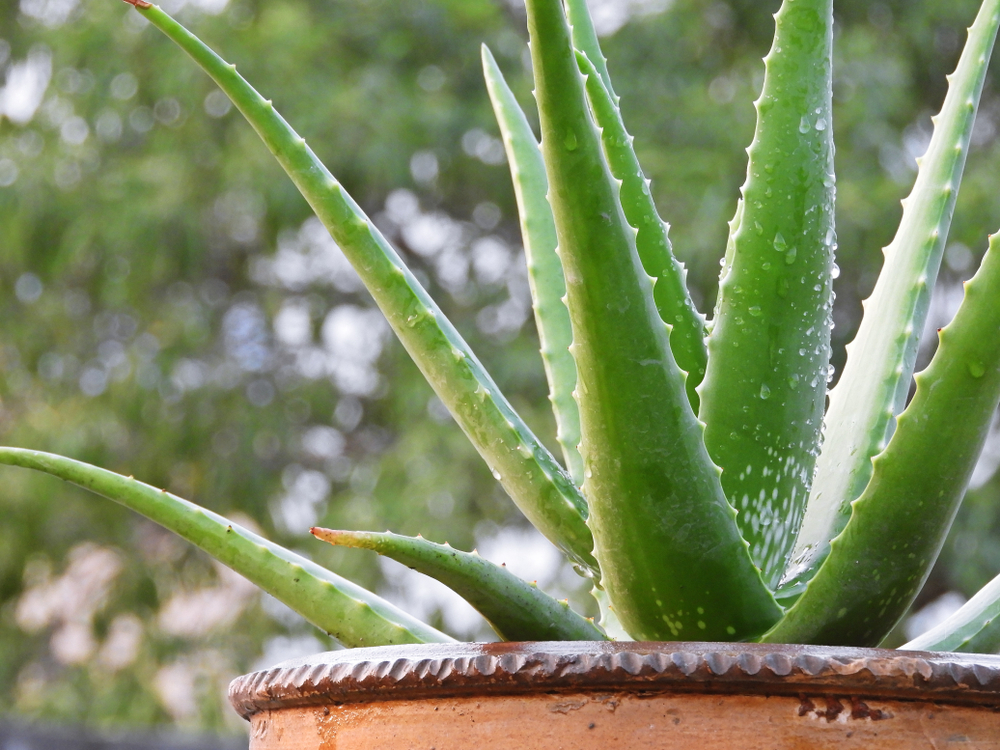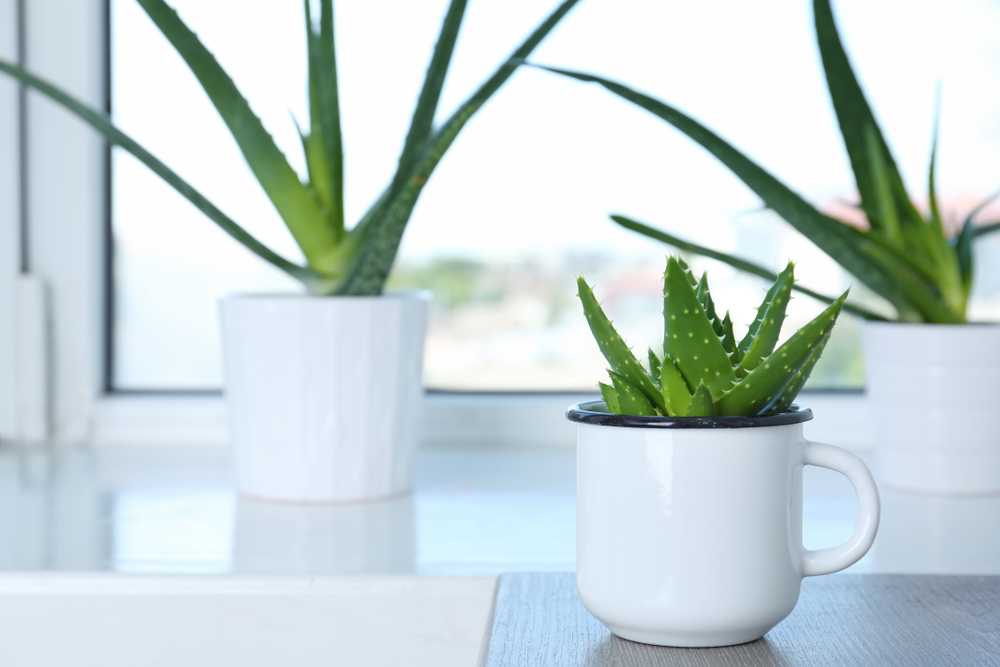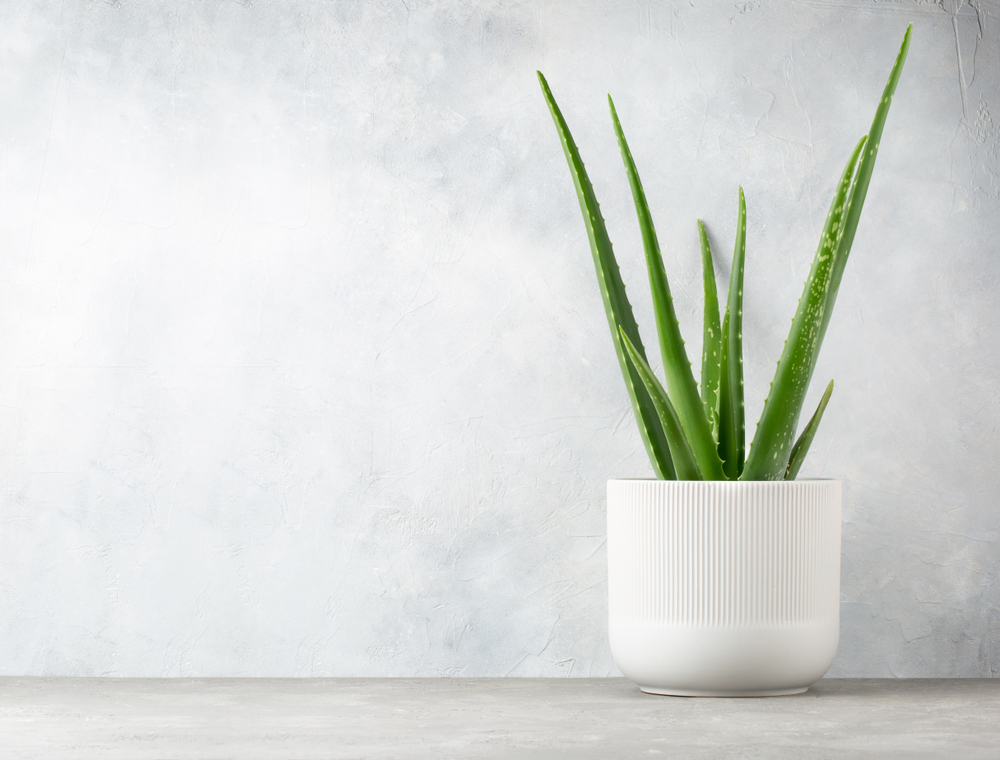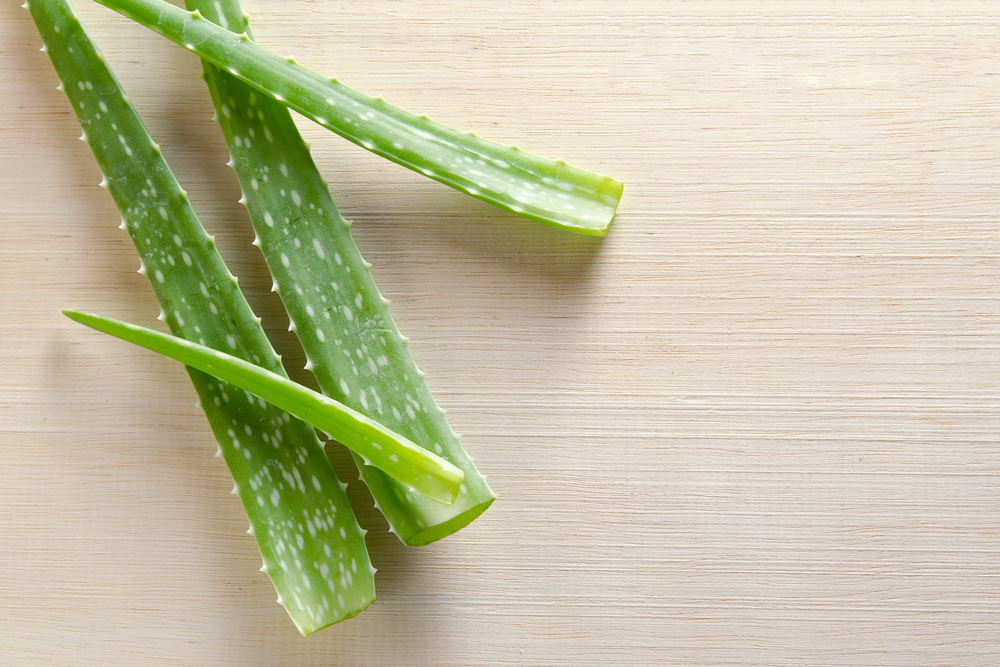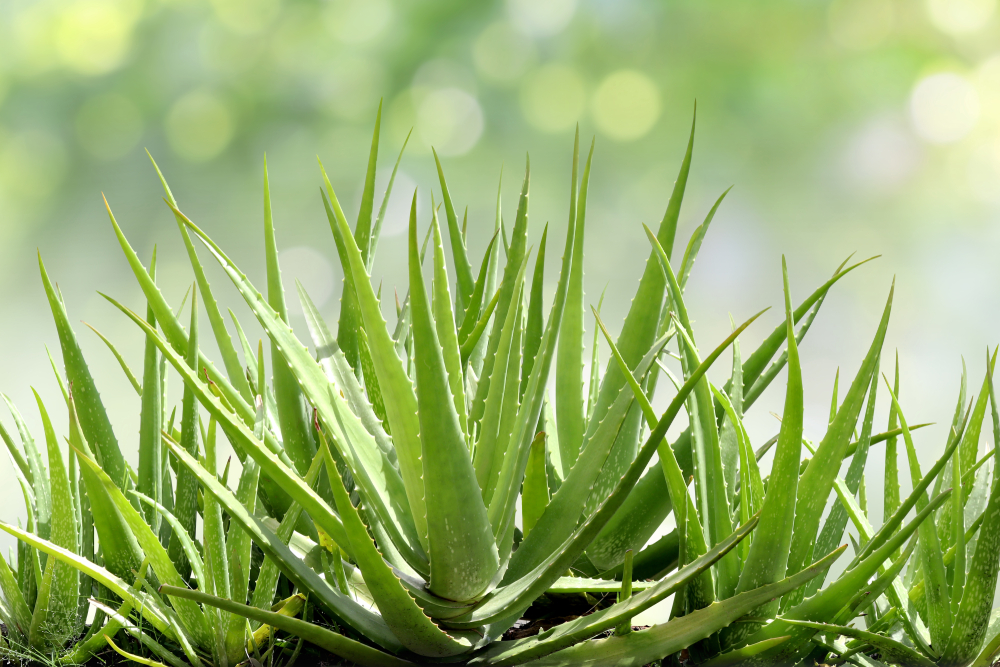
Aloe vera is a total superstar in the plant world—not only is it a gorgeous addition to your indoor jungle, but it’s also a literal lifesaver for your skin. That soothing gel inside the leaves is magic for burns and irritations! Interestingly, the same “toughness” that makes it a healing powerhouse also makes it incredibly hardy. It’s pretty rare to see an Aloe vera get sick.
Aloe Vera is a Tough Cookie
Even though they’re resilient, you might occasionally run into a few issues or pests. Usually, if your Aloe is looking a bit sad, it’s down to a “parenting” mistake rather than a disease. The most common culprits are:
- Not enough sunlight
- Humidity that’s way too high
- Standing water (soggy feet!)
- A lack of nutrients
The good news? These are easy fixes! Your Aloe craves bright light, plenty of warmth, a little fertilizer every now and then, and very light watering. To avoid standing water, just make sure your pot has a good drainage layer at the bottom. If you stick to these basics, your plant will bounce back in no time and stay healthy for years.
Fungal Issues
Fungus is another problem that usually stems from how we care for the plant. If you accidentally get water on the leaves or let it sit in the leaf axils, you’ll likely notice rot starting to form—that’s a fungus moving in. Similarly, keeping the soil constantly wet is like an open invitation for fungi to attack the roots. Once root rot sets in, it’s often game over because the plant can no longer take up nutrients. Prevention is definitely the best medicine here!
Temperature Troubles
Aloe vera is a sun-lover and absolutely hates the cold. If the temperature drops below 50°F (10°C), your plant is going to suffer. You’ll notice the leaves turning translucent or “glassy,” then brown, before they eventually fall off. If you keep your Aloe outside during the summer, make sure to bring it back indoors as soon as those evening temperatures start to dip.
Pests
While diseases are rare, you might occasionally run into some uninvited guests. The main troublemakers are:
- Mealybugs
- Root mealybugs
Mealybugs love to suck the sap right out of the plant, which weakens it and makes it more prone to disease. You can pick them off by hand or use an insecticide. Just a heads-up: if you use chemical pesticides, you won’t be able to harvest the gel for a while until the toxins have cleared out. A great natural trick is to wipe the leaves down with a cotton ball soaked in rubbing alcohol.
Root mealybugs are a bit sneakier because they hide underground and feast on the roots. You usually won’t notice them until you’re repotting and see those tell-tale white nests in the root ball. If you find them, shake off the old soil, wipe the roots down with alcohol as best as you can, and use an insecticide as a last resort.