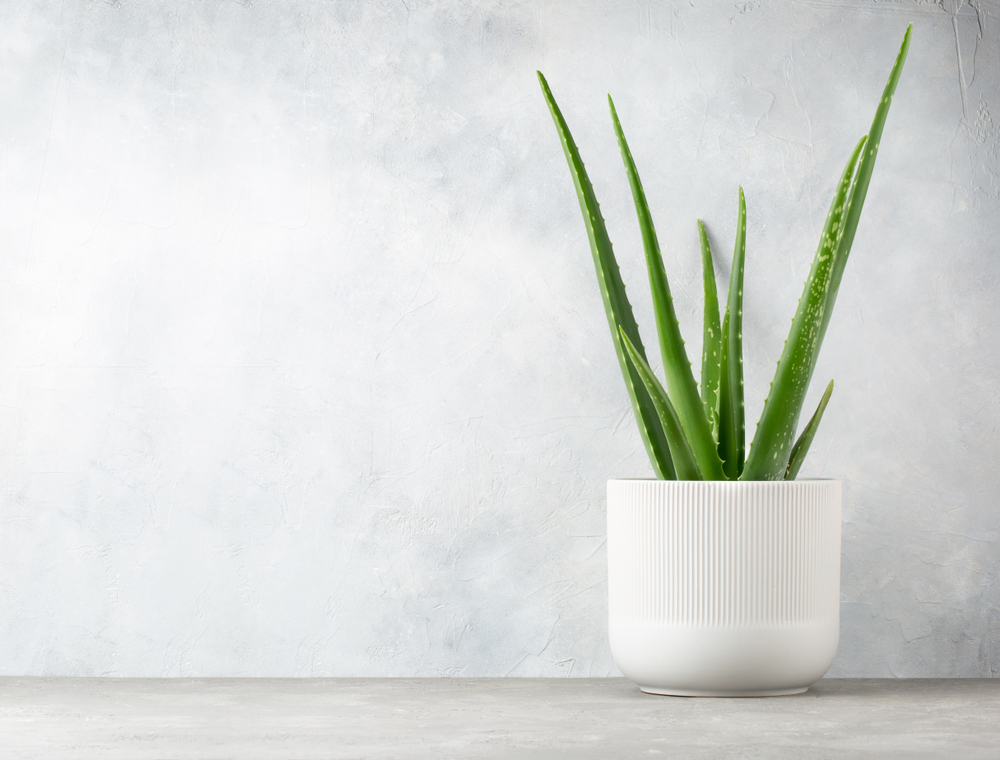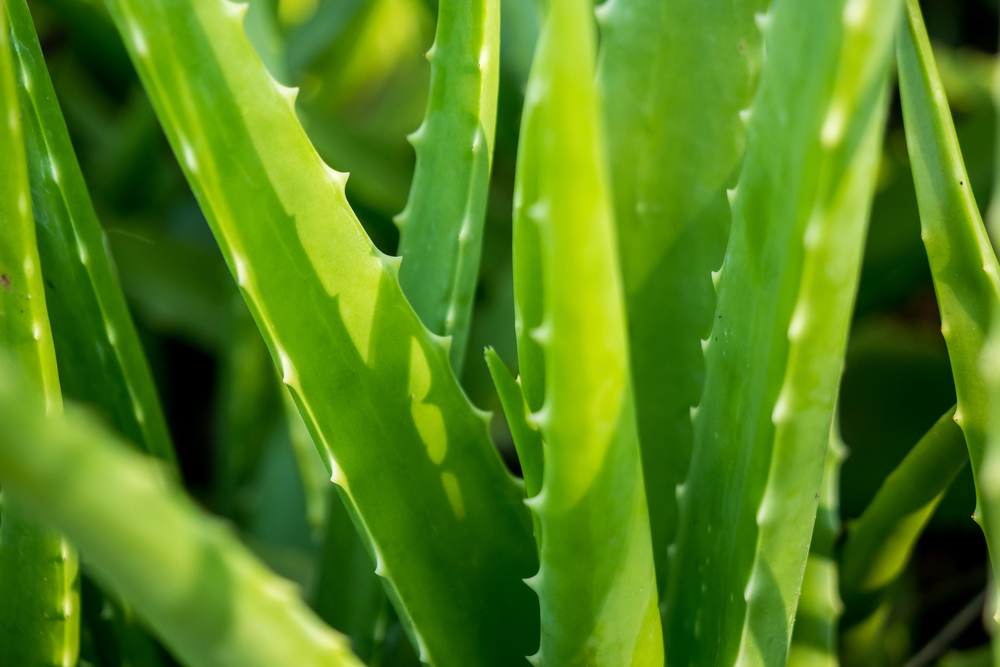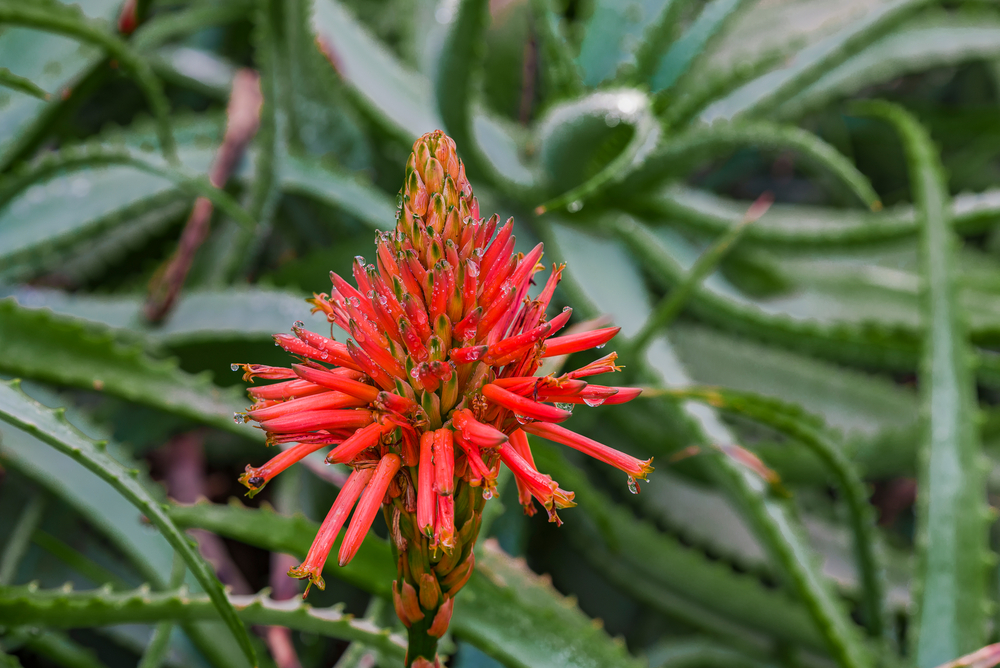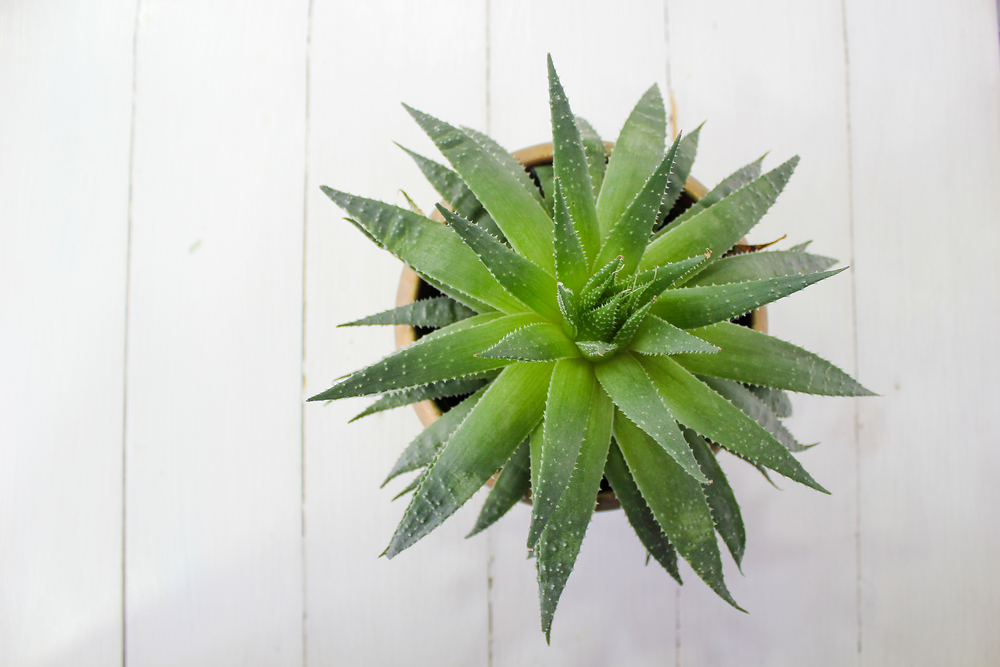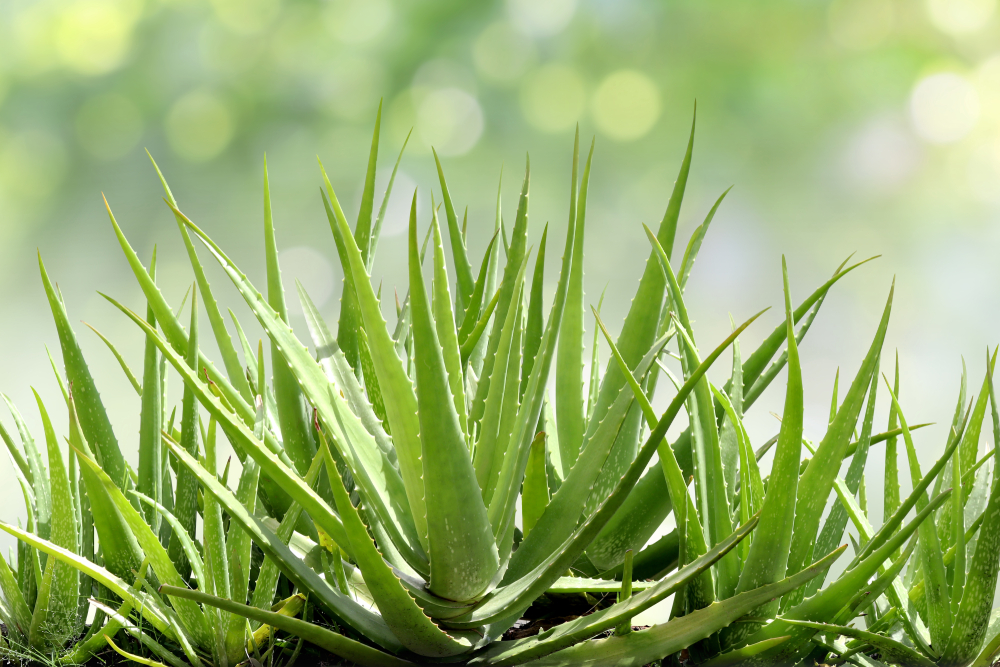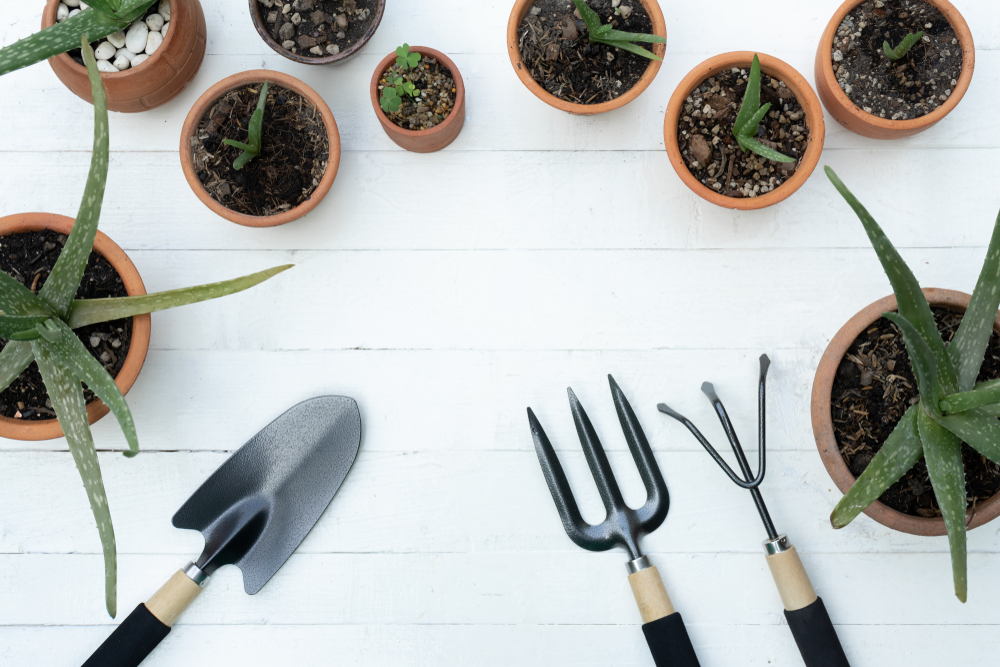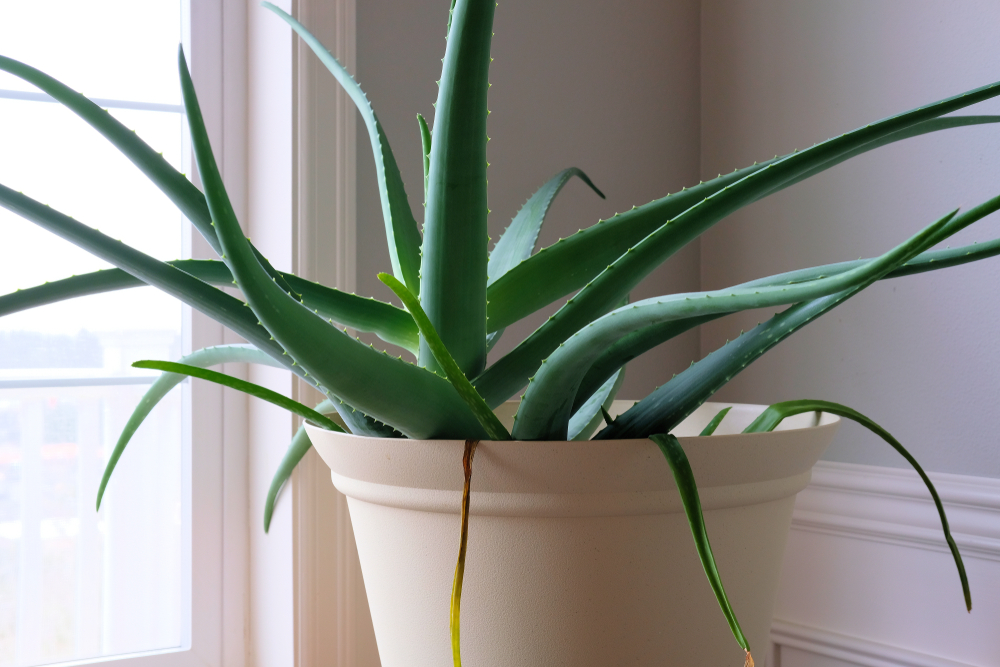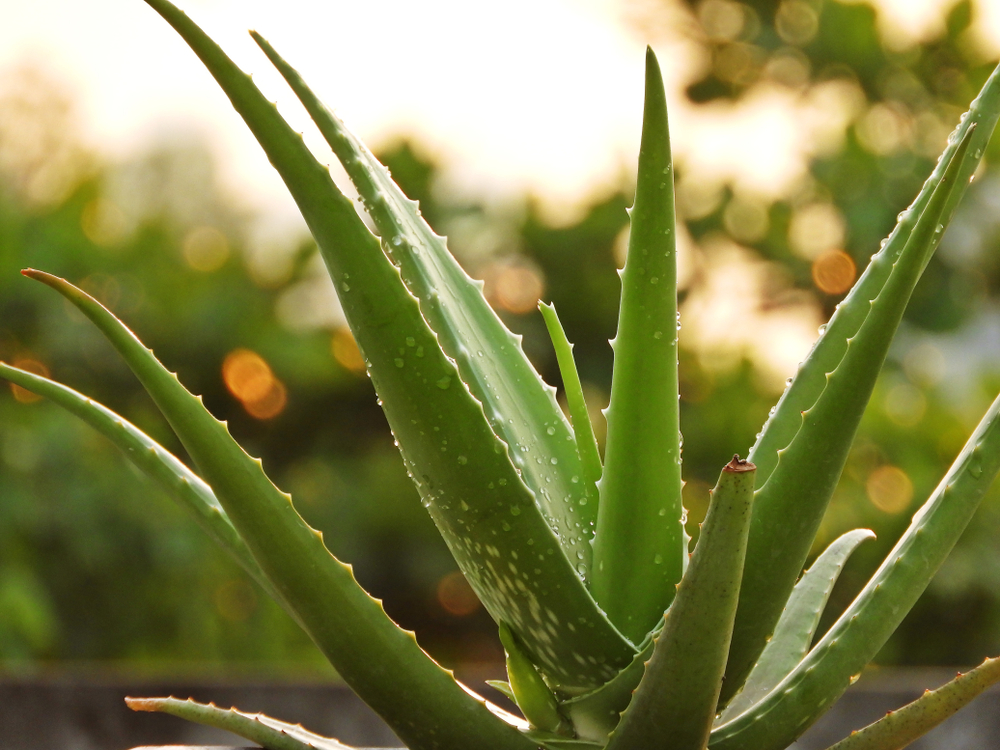
Aloe Vera is a total favorite for indoor gardeners here in the States. Thanks to its tropical roots, this plant is incredibly low-maintenance—perfect if you’re just starting your green thumb journey! Most of us know all about the healing gel tucked inside those thick leaves, but not everyone knows the story of where this “wonder plant” actually comes from.
Where Aloe Vera Calls Home
There are actually about 450 different species of this beautiful succulent, and they thrive in tropical and subtropical regions across the globe, including:
- Africa (especially the Cape region of South Africa)
- The Arabian Peninsula
- Countries surrounding the Mediterranean
- Asia
- The plains and steppes of North and South America
A Little History Lesson
Aloe is an ancient plant that likely originated in the Arabian region. Historical records suggest its healing powers were discovered over 5,000 years ago, which is exactly why it spread so far and wide. From Arabia, it made its way across Africa, through the Mediterranean into Europe, and via trade routes into China and India.
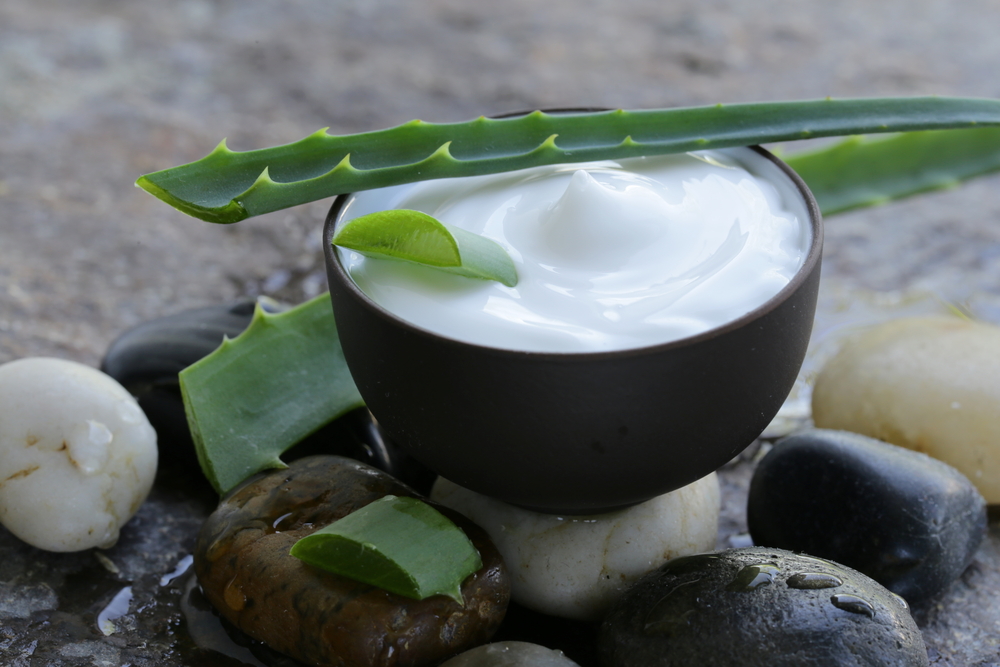
Nature did some of the work—seeds were carried by the wind and local wildlife—but humans played a huge role, too. For instance, Crusaders brought the plant back to Europe, where it became a staple in monastery gardens as a go-to remedy for burns and skincare. Fast forward to today, and Aloe Vera is a global superstar. It’s grown commercially for everything from natural medicine to high-end cosmetics, all thanks to that soothing, skin-loving gel.
Growing Aloe Vera at Home
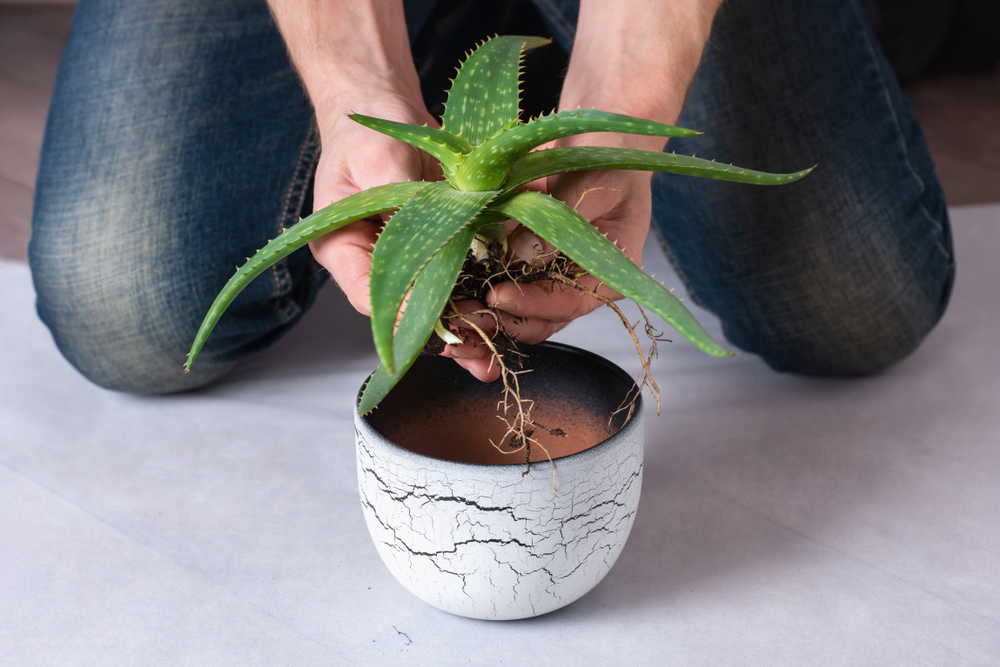
While industries use Aloe for pharmaceuticals and beauty products, most of us just love having it as a trusty houseplant. If you want yours to thrive, here’s the scoop on keeping it happy:
The Perfect Spot
Aloe loves soaking up the rays! Give it a bright, sunny spot with plenty of warmth. When it comes to soil, think “desert vibes”—it needs a sandy mix that contains a bit of loam and lime. The key is to keep the soil slightly moist but never soggy. Aloe is super prone to root rot if it sits in standing water, which can be a death sentence for the plant. Since it’s definitely not a fan of the frost, you can move it out to your balcony or patio during the summer, but bring it back inside the second the temperature drops. During the winter, it likes a little “siesta” in a cooler room (around 50°F) to rest up for the next growing season.