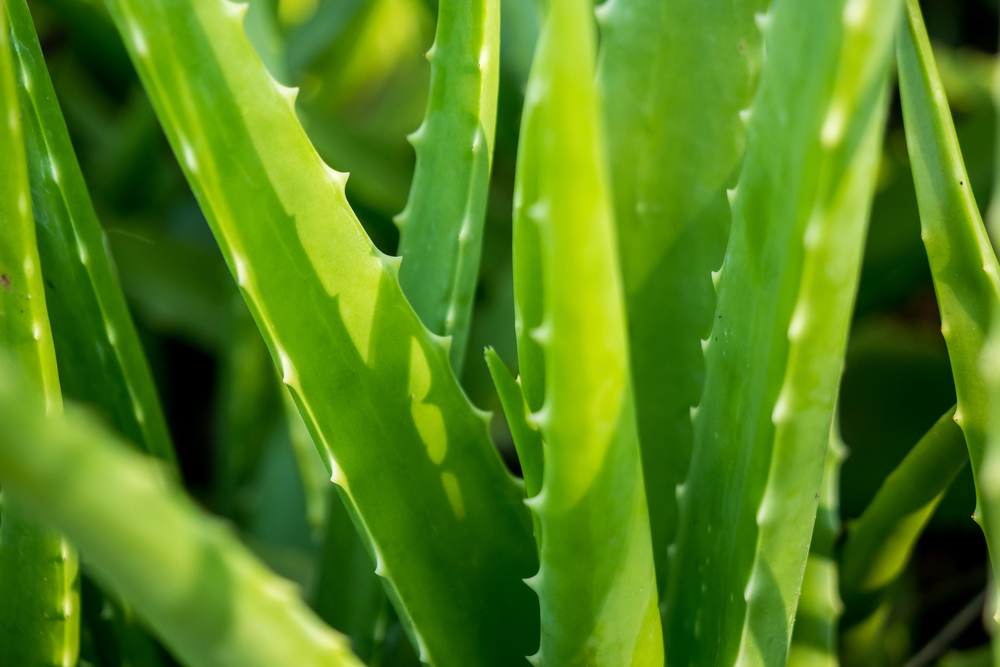
The Aloe Vera belongs to the Aloe genus and is part of the Asphodel family. It’s a fan-favorite succulent with thick, fleshy leaves that feels right at home in our living rooms. One of the best things about it? It handles dry indoor heating like a pro and isn’t picky at all when it comes to water or fertilizer. If you give it the right winter rest, it’ll even thank you in the spring with a stunning flower spike in shades of red, yellow, or orange.
Originally, Aloe Vera hails from the tropical and subtropical regions of the world.
What Does Aloe Vera Look Like?
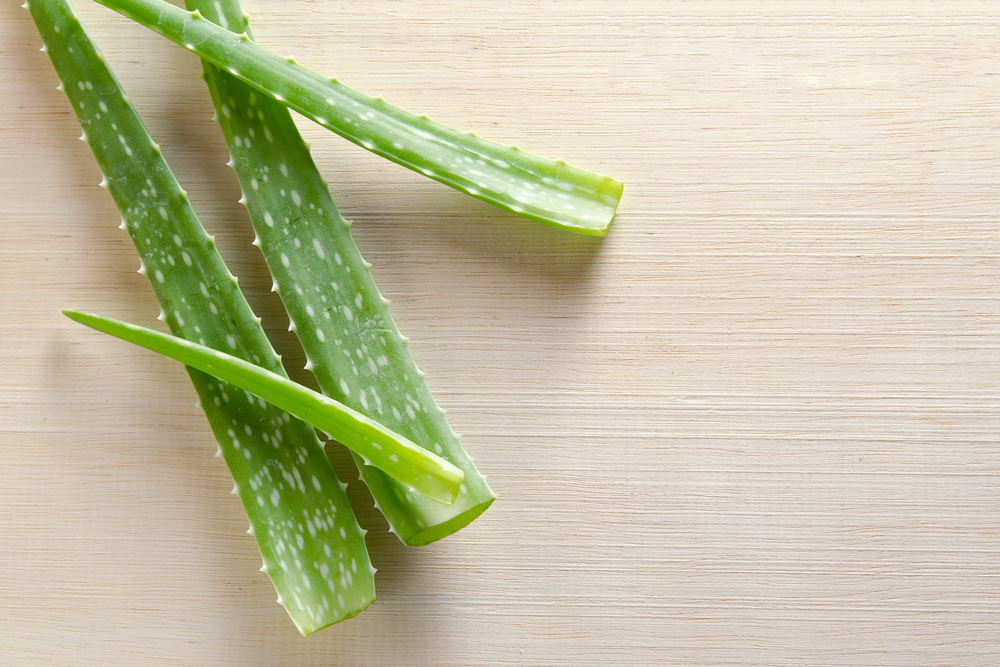
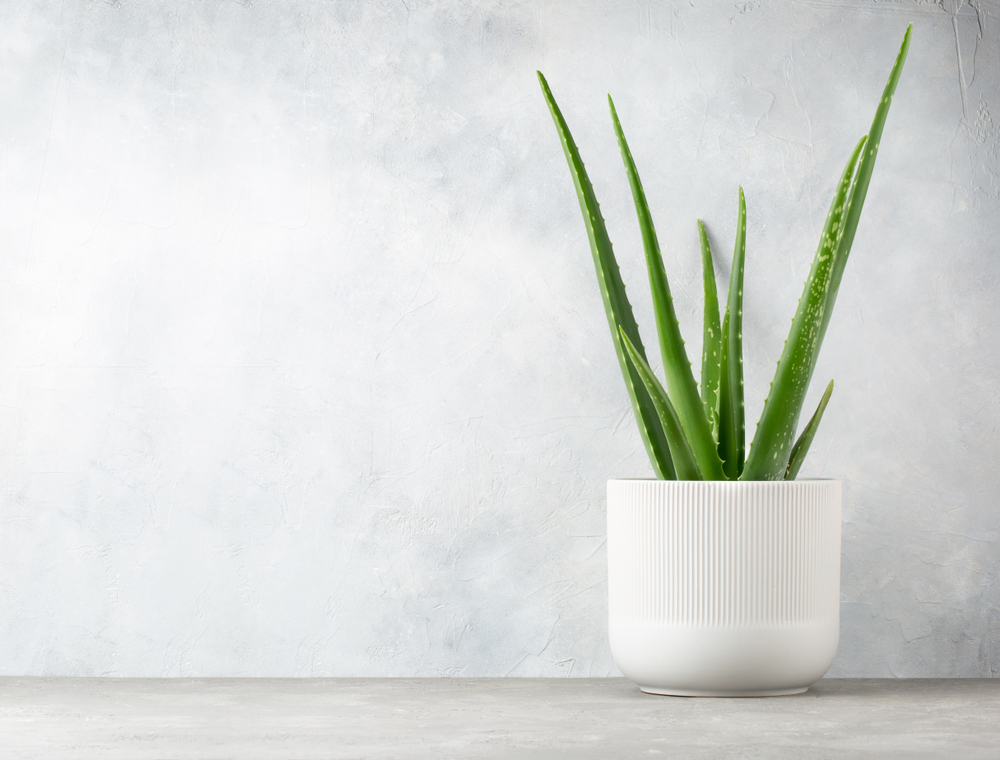
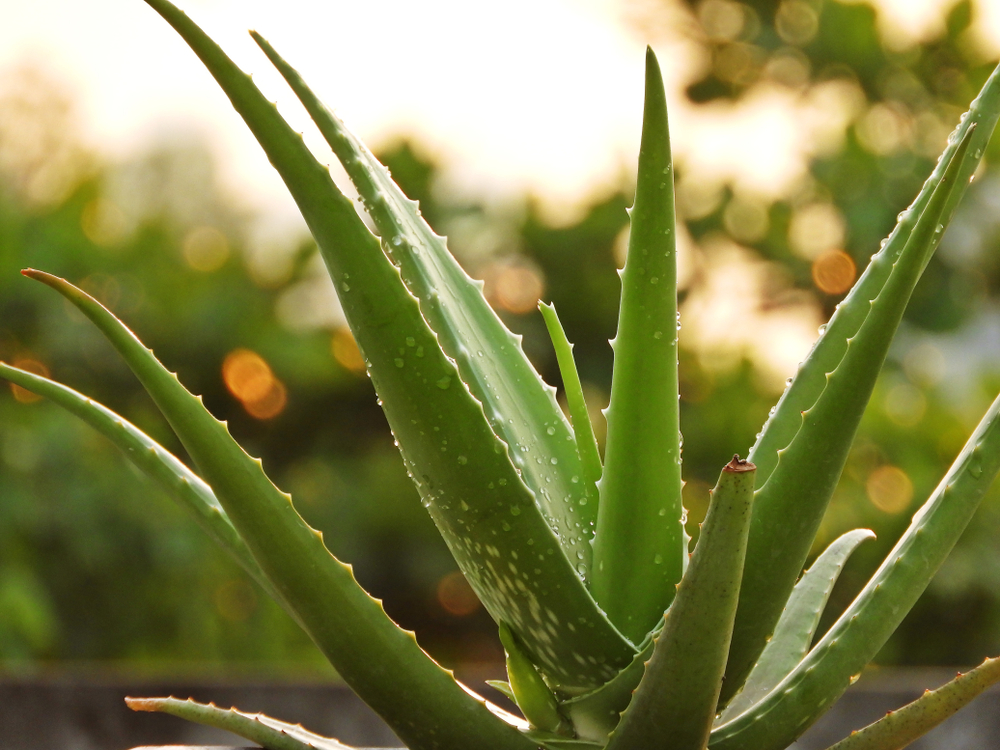
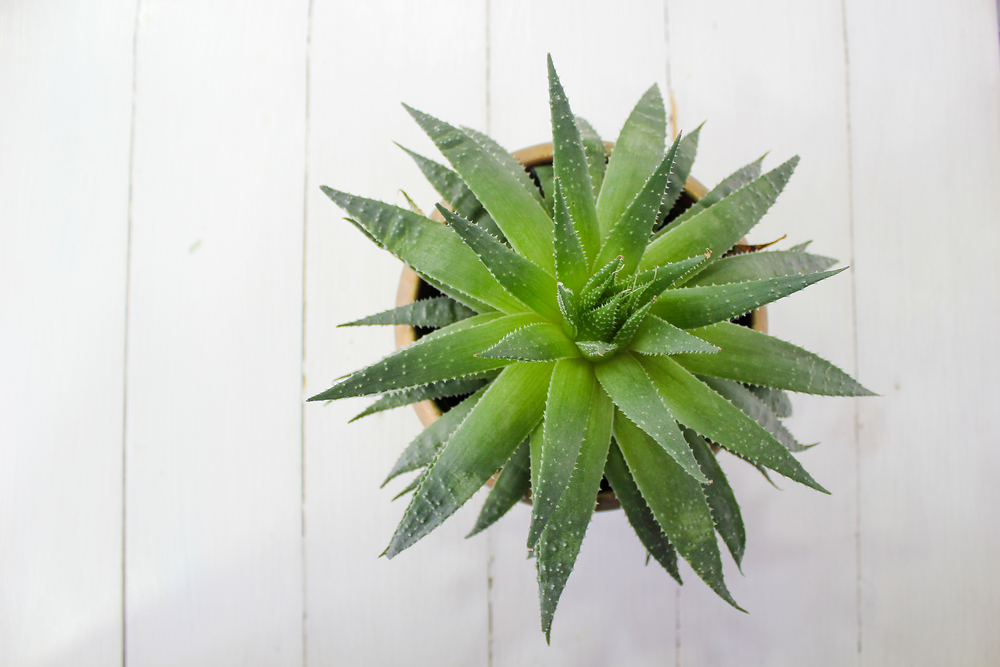
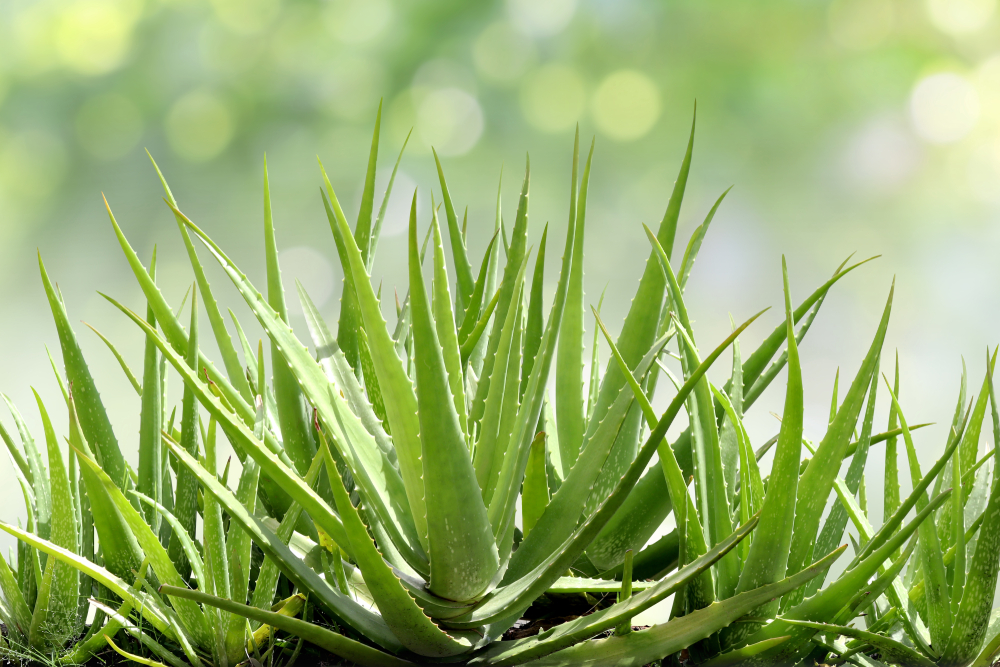
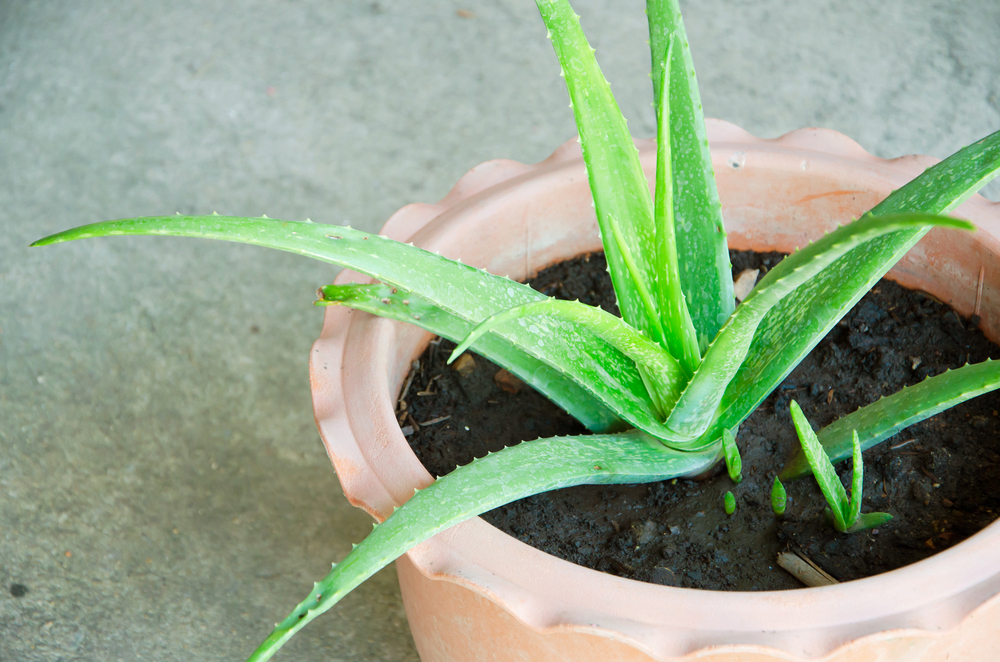
This plant grows either with a very short stem or no stem at all, sprouting its thick leaves in a rosette pattern. The leaves have a beautiful pale green, slightly grayish tint and feature small prickles along the edges. On larger plants, those leaves can reach up to 20 inches long! Inside, you’ll find that famous healing gel—but be careful: there’s also a bitter, yellowish sap (latex) that needs to be drained away before you use the gel.
Flower Spikes and Blooms
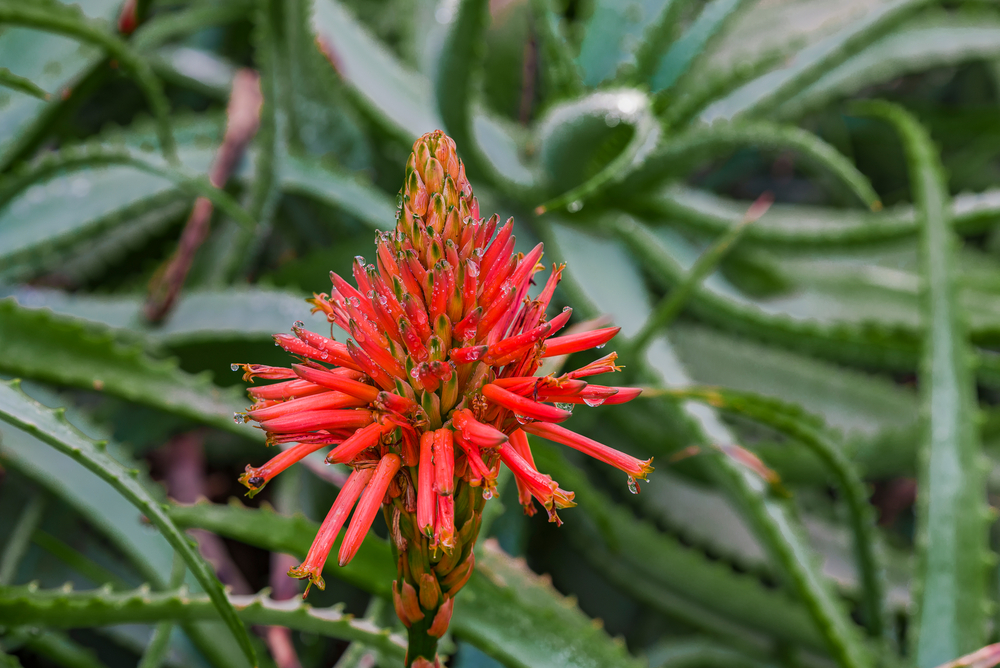
In the springtime, the plant sends up a simple flower stalk that can reach 2 to 3 feet high. At the top, you’ll see a cylindrical flower cluster about 12 to 15 inches long. The tube-shaped flowers are slightly bellied and come in vibrant reds, yellows, or oranges. You can actually see the stamens and styles peeking out about 1/8 to 1/4 inch from the bloom. It’s quite a sight to see buds, fresh blooms, and fading flowers all on the same spike!
Caring for Your Aloe Vera
This low-maintenance succulent loves a warm, very bright spot. While it’s happy to stay in your living room year-round, it really appreciates a “summer vacation” on a balcony or patio if you have one. Just make sure to bring it back inside once the temperatures dip to around 50°F. During the winter, keep it in a bright but cool spot (50-60°F) and hold off on the water and fertilizer entirely.
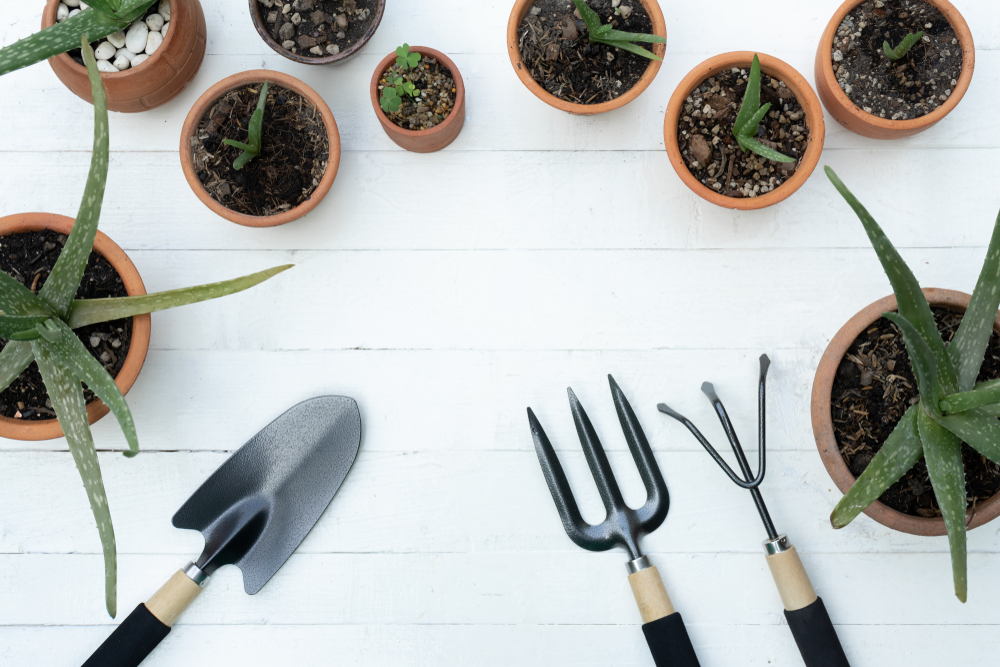
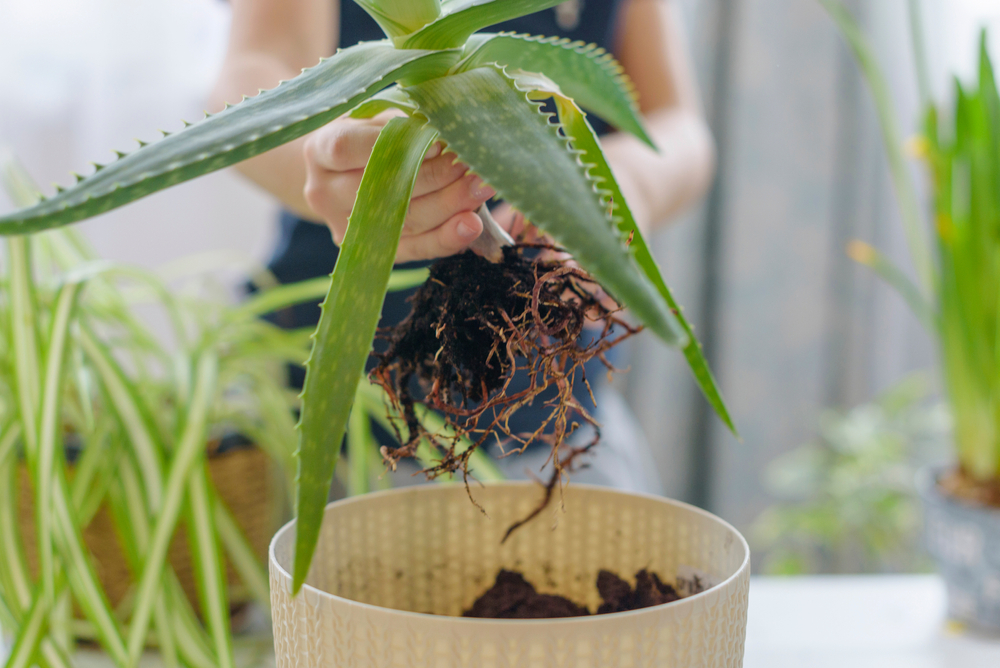
Since Aloe stores water in its leaves, you only need to water it sparingly. The golden rule: avoid standing water at all costs! If you repot your plant into fresh soil every so often, you won’t even need to worry about extra fertilizer.
The Healing Power of Aloe Vera
Most people know Aloe for its anti-inflammatory and disinfecting properties, not to mention how great it is for the skin. It’s incredibly versatile and can be used for things like:
- Soothing minor burns
- Relieving sunburns
- Speeding up wound healing
- Helping with acne, eczema, or psoriasis
- Relieving constipation (when the juice is used internally)