Most of us have a core memory from childhood involving a painful run-in with a patch of stinging nettles. It’s usually enough to make you give these plants a wide berth for the rest of your life! But because we’re so busy avoiding them, most people don’t realize that there are actually several different species of nettles out there.
A Quick Breakdown
While they might all look like “weeds” at first glance, here are the main types you’ll run into:
- Stinging Nettle (Great Nettle)
- Small Nettle (Dwarf Nettle)
- Fen Nettle (Reed Nettle)
- Roman Nettle
Stinging Nettle (Great Nettle)
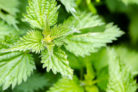
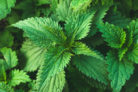
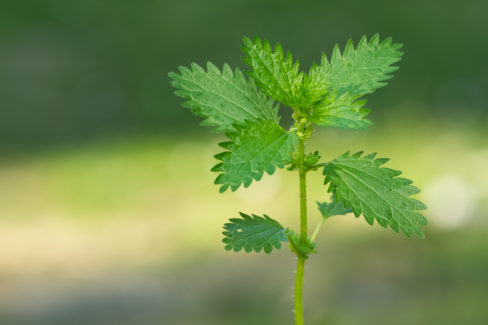
The Stinging Nettle is the one we all know and… well, maybe don’t love. It’s the most common species by far. These guys are impressive growers, with stalks that can reach up to nearly ten feet tall in the right conditions! Between July and October, they develop panicle-shaped flower clusters. This is the best time to tell them apart from other non-stinging “dead-nettle” lookalikes.
Small Nettle
The second most common variety is the Small Nettle (also known as Dwarf Nettle). As the name suggests, it’s the “little brother” of the group, usually topping out between 18 and 24 inches tall. Just like its larger cousin, you’ll find it hanging out along the edges of forests, near water, or tucked into meadows. Both of these species are excellent indicator plants—if you see them thriving, you know your soil is packed with nitrogen and nutrients.
Fen Nettle
The Fen Nettle (or Reed Nettle) is a bit more specialized, commonly found in parts of Eastern Europe and specific regions like Brandenburg. You can tell it apart from the Small Nettle by looking at the tops of the leaves—they don’t have any stinging bristles on the upper surface, giving them a much smoother look. Don’t let your guard down, though! The undersides of the leaves still have those classic stinging hairs.
Roman Nettle
The Roman Nettle (sometimes called the Pill Nettle) is a Mediterranean native. While it’s a common sight in Southern Europe, it’s actually quite rare to find it growing wild in places like Germany. If you travel even further abroad, you’ll find even more exotic relatives, like the Siberian Hemp Nettle or the Mallorca Nettle. It just goes to show that there’s a lot more to this “pesky” plant family than meets the eye!