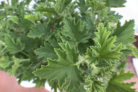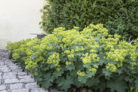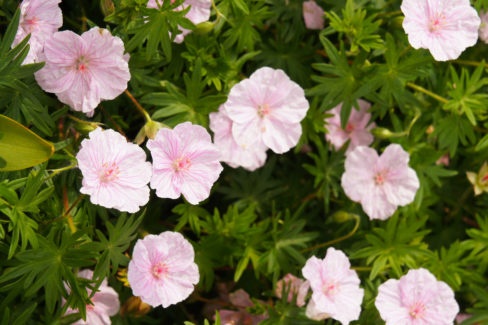
If you’ve got a sunny spot in your garden that needs a little love, let me introduce you to one of my absolute favorites: the ‘Apfelblüte’ (Apple Blossom) Cranesbill Geranium. This hardy little perennial is a total rockstar in the gardening world. Part of the massive *Geraniaceae* family, which boasts over 400 species across the globe, this beauty has been a staple in ornamental gardens since the 1500s.
Fun Facts About ‘Apfelblüte’ Cranesbill
This plant is a true world traveler! You can find various species of Cranesbill growing everywhere from:
- South Africa
- Indonesia
- Australia
- Hawaii
- The Arctic
- Antarctica and, of course,
- All across Europe
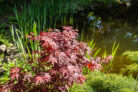
The ‘Apfelblüte’ variety is famous for its delicate, cup-shaped flowers that range from pure white to a soft, dreamy pink. If you look closely, you’ll see fine rose-red veining on the petals that gives them a really intricate look. The best part? They bloom all summer long. And just when you think the show is over, the dark green summer foliage turns a stunning, fiery red in the fall. That’s actually why many people call this group “Bloody Cranesbill.”
Planting and Caring for Your ‘Apfelblüte’
When you’re picking a spot for this plant, remember: it loves the sun! It spreads via rhizomes (underground stems), so give it some room to roam. Because those roots go deep, this plant is a survivor—it handles summer droughts like a pro and won’t flinch during a hard winter freeze.
The Soil
To keep your Cranesbill happy, you want soil that is loose and well-draining. It actually prefers soil that isn’t *too* rich in nutrients. A dry, rocky, or sandy loam is perfect because it allows water to flow right through. Whatever you do, avoid “wet feet”—this plant hates standing water. If your garden has heavy soil, try mixing in some coarse gravel or creating a drainage layer before planting.
Where to Plant
Since ‘Apfelblüte’ is a sun-worshiper, it really shines in these spots:
- Rock gardens
- Sunny perennial borders
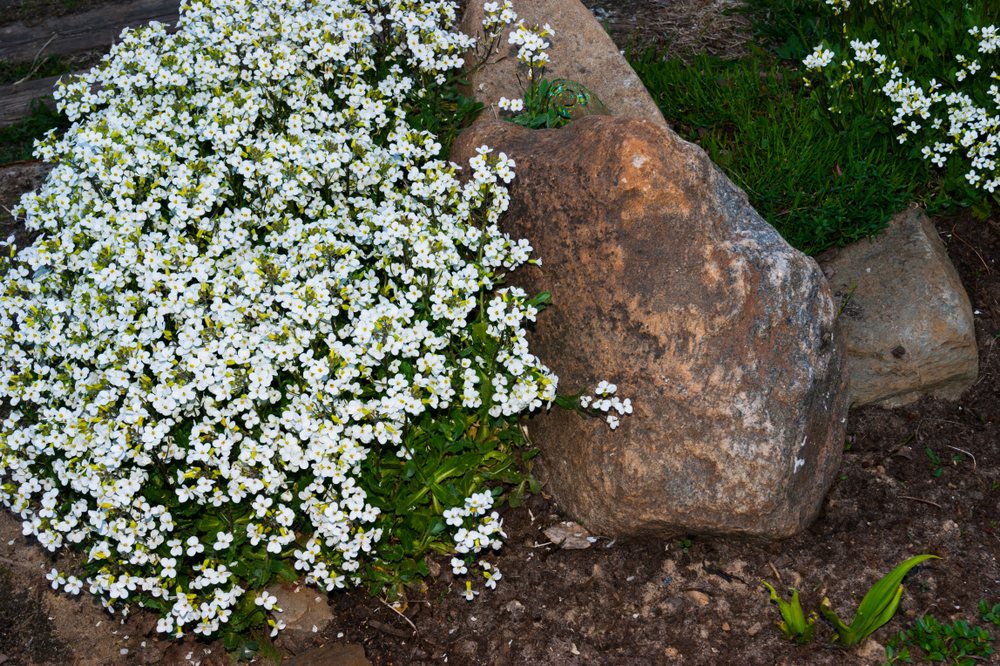
- As a groundcover on slopes or embankments
- A standout feature in gravel gardens
- Large containers on the patio
- Green roofs (it’s tough enough for flat-roof planting!)
Pro tip: Plant them in groups! This helps you get that lush, “carpet of flowers” look that makes this variety so famous.
Maintenance
The ‘Apfelblüte’ Cranesbill is about as low-maintenance as it gets. It grows in a low, creeping habit, eventually covering large areas with a dense cushion of foliage. In the fall, all you really need to do is trim back the spent flower stalks and any withered leaves. If you want more of them, you can easily propagate them in the spring via seeds, cuttings, or by simply dividing the root clumps.
And here is the best news for us gardeners: this plant is incredibly resistant to pests and diseases. Even slugs and snails tend to give these perennials a wide berth. It’s basically a “plant it and forget it” dream!