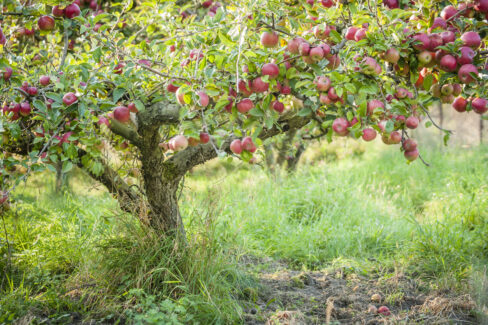
If you’re thinking about adding a fruit tree to your yard, you’ll want to do a little homework first. Picking the right tree isn’t just about the fruit; it’s about the shape and size. Different tree forms have different trunk heights and canopy styles, and you want to make sure your new addition actually fits the spot you’ve picked out for it.
Half-Standard Trees for Lawns and Gardens
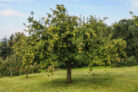
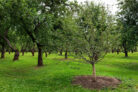
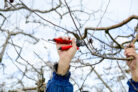
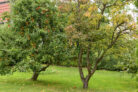
Just like full-standard trees, half-standards usually start producing fruit around their fourth year. Don’t let the name fool you, though—”half-standard” doesn’t mean the tree is half the size! These are still vigorous, sturdy trees that can live anywhere from 60 to 100 years. The main difference is the trunk height, which usually sits between 3 and 4.5 feet. Because the trunk is shorter, the canopy is much easier to reach for pruning and harvesting. Fun fact: if you trim away the lower branches over a few years, you can actually train a half-standard to grow into a full-standard tree.
Spacing for Half-Standard Trees
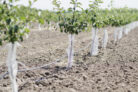
Give your tree some elbow room! When planting a half-standard apple tree, you should aim for a spacing of about 20 to 25 feet between trees. Ideally, each tree should have about 430 square feet of open space to really thrive.
When to Plant Your Fruit Trees
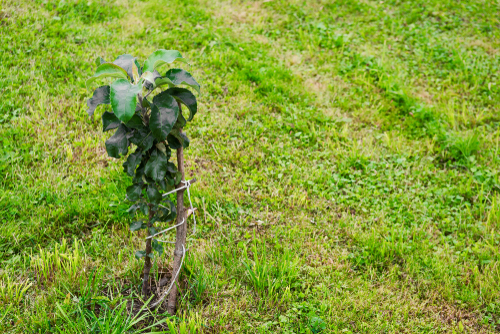
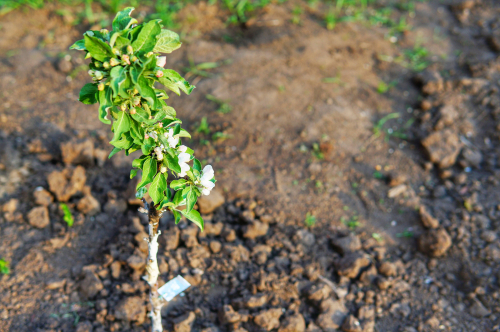
For most fruit trees, including apples, the absolute best planting time is in the fall—specifically from the time the leaves drop until the first hard frost. Trees planted in the fall get a head start by growing new roots before they wake up in the spring. This leads to a much stronger “leaf out” and helps the tree handle those dry spells we often get in early spring. If you miss the fall window, you can still plant in March or April; just be extra diligent about watering during that first year.
Pro Gardener Tip
When you’re shopping for your apple tree, keep an eye out for quality seals. Trees from reputable nurseries will have a tag listing the variety, the rootstock it was grafted onto, and certifications like “virus-tested.” In the US, look for trees from nurseries that are members of professional trade associations or have state-certified nursery inspections—this ensures you’re getting a healthy, high-quality tree that’s true to its name.