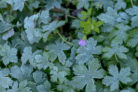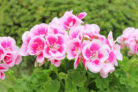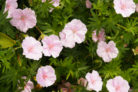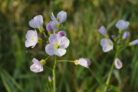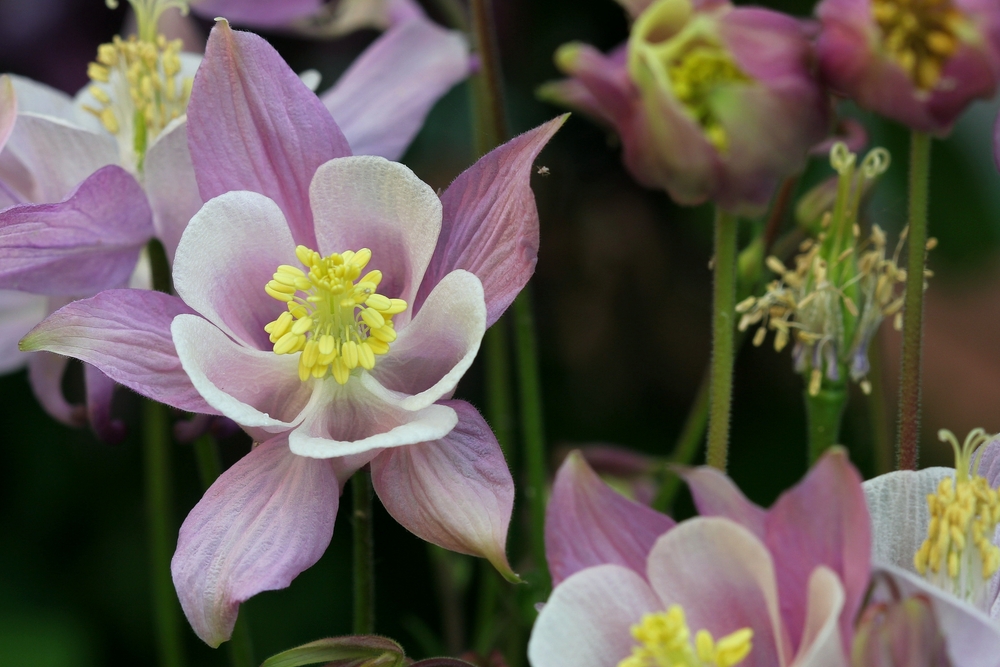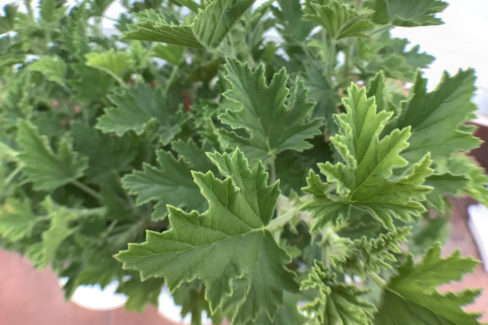
This popular garden perennial is a close cousin to the geraniums (pelargoniums) we all know and love. You can really see the family resemblance in the foliage, though Cranesbill leaves tend to be a bit more delicate and softer to the touch than your standard potting geranium. While the dainty, pink cup-shaped flowers are the stars of the show, the leaves themselves are a major highlight and can bring some serious “wow” factor to your garden beds well into the fall.
Cranesbill: More Than Just Pretty Flowers
The foliage on these plants is incredibly diverse—you’ll find everything from deeply lobed or “shredded” looks to rounded, toothed edges. Most varieties have a soft, fuzzy texture and a distinct, spicy aroma that hits you when you brush past them. While a vibrant green is the standard, some varieties sport multi-toned greens or even cool spotted patterns. Take the Caucasian Cranesbill, for example: its flowers are pretty subtle, but the foliage is an absolute showstopper.
One of the best things about Cranesbill is the autumn transformation. Many types turn a brilliant, fiery red as the temperatures drop, keeping your garden interesting long after the summer blooms have faded. The Siberian Cranesbill is a personal favorite for this—it blooms a bit later, so you get those gorgeous purplish-pink flowers popping against orange-red fall leaves at the same time. It’s a stunning combo!
Handling Fall Foliage
As fall winds down, the leaves will eventually wither and drop. That’s your cue to grab the shears! You’ll want to cut the plant back to just above ground level. Here’s a pro tip: leave the trimmings and the dead leaves right there on the soil. They act as a natural winter mulch, protecting the underground rhizomes from the cold. By the time spring rolls around, that organic matter will have broken down, clearing the way for fresh new growth.
A Quick Guide to Cranesbill Varieties and Their Leaves
With so many species out there, the variety in foliage is almost endless. Here are a few popular ones you might run into:
- Cambridge Cranesbill: Features seven-lobed, toothed leaves in a bright light green that turns a lovely reddish hue in the fall.
- Gray Cranesbill: Known for its broad, deeply lobed leaves in a unique gray-green; this one stays pretty consistent and doesn’t change color in the fall.
- Himalayan Cranesbill: Medium green leaves with long lobes and beautiful veining. No fall color change here, but the texture is great.
- Bigroot Geranium (Felsen-Storchschnabel): This one has rounded, lobed leaves that are actually evergreen, so you’ll have green in your garden all winter long!
- Showy Cranesbill: Soft, fuzzy, medium-green leaves that are lobed and toothed; these put on a great autumn color show.
- Knotted Cranesbill: Light green, heavily veined leaves that love a woodland setting. No fall color change, but very elegant.
- Mourning Widow (Brauner Storchschnabel): Delicate green leaves with unique purple-brown splotches. It stays green through the fall.
- Armenian Cranesbill: These medium-green leaves start off red in the spring and turn a brilliant red again in the fall.
- Bloody Cranesbill: Deeply lobed, dark green leaves that live up to their name by turning a stunning blood-red in the autumn.