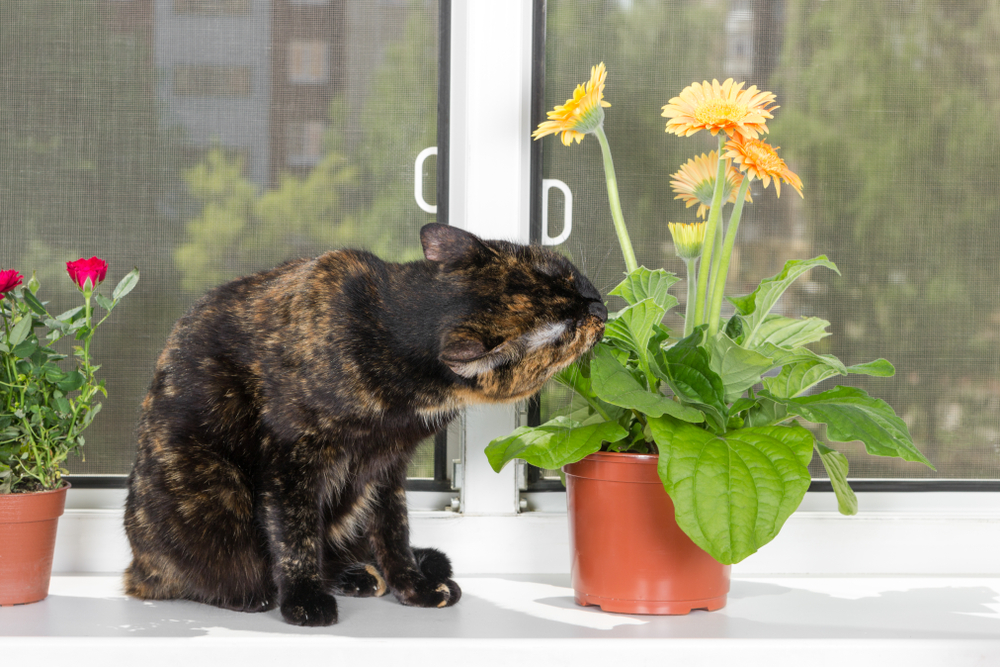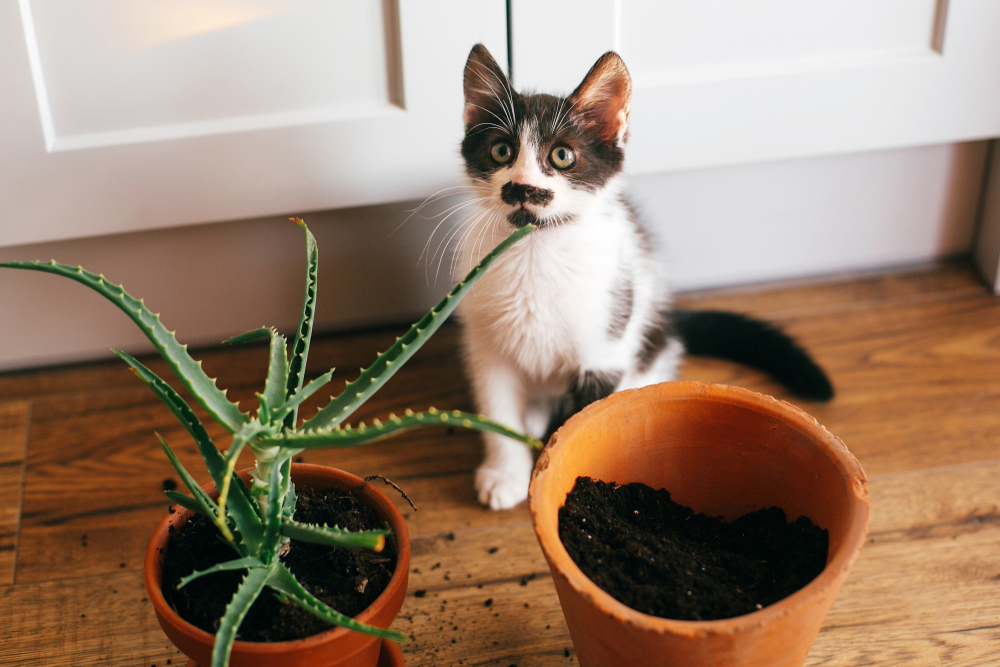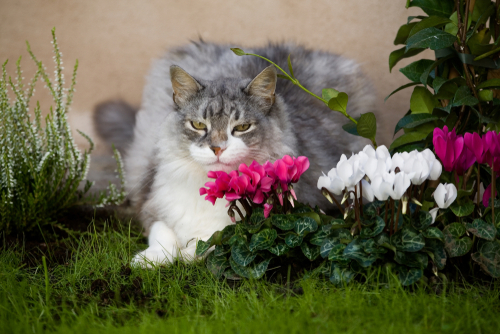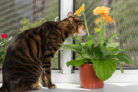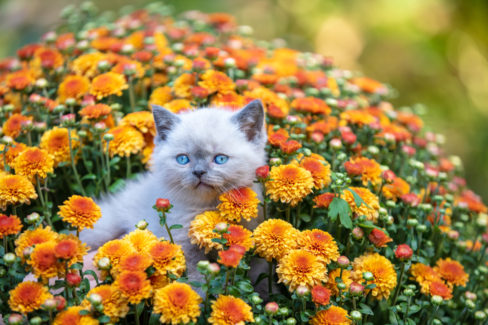
Once fall rolls around, those vibrant chrysanthemums—or “mums” as we love to call them—start popping up everywhere. Whether they’re brightening up your flower beds, chilling in pots on the patio, or cozying up a sunroom, they are the undisputed kings of autumn color. But as much as we love that pop of gold and burgundy, there’s a catch: mums are actually toxic. This is a big “heads up” for all my fellow pet parents out there, especially those of you with curious cats.
The Science Behind the Sting
Now, not every single one of the 5,000+ chrysanthemum varieties is dangerous to humans—some are actually edible and make for great teas or salad garnishes. However, when it comes to our furry friends, they’re all off-limits. Mums contain natural compounds called pyrethrins in every part of the plant. If that sounds familiar, it’s because pyrethrins are often used in organic insecticides. While they’re great at keeping bugs away, they can cause some nasty reactions if your pet decides to take a nibble.
Why Mums and Cats Don’t Mix
The toxins found in the leaves and flowers can lead to serious poisoning in pets, particularly dogs and cats. You might notice mild signs like lethargy, skin redness, or irritated gums, but things can escalate quickly. Here’s what to look out for:
- Stomach and intestinal inflammation
- Vomiting
- Diarrhea
- Tremors or seizures
- Vision problems (even temporary blindness)
- Liver or kidney failure
- Allergic reactions
- Excessive drooling
- Fainting or loss of consciousness
If you catch your dog or cat snacking on a mum, giving them an activated charcoal tablet can be a good first-aid step, but you need to get to the vet ASAP. Cats are especially prone to a dangerous drop in body temperature when poisoned, so make sure to wrap them in a warm blanket for the ride to the clinic.
Good to Know
It’s not just our indoor buddies we have to worry about. Mums are also toxic to livestock like horses, cows, and sheep, causing significant health issues if they graze on them.
And a quick tip for the gardeners: when you’re out there deadheading or pruning your mums, play it safe and wear gloves. The sap in the leaves can cause skin irritation (contact dermatitis) for us humans, too!