Aronia, also known as the chokeberry, is one of those “set it and forget it” plants that we gardeners love. It’s super hardy, produces delicious berries, and generally stays out of trouble. However, if you start seeing brown or yellow leaves, it’s a sign that something is off. Let’s dive into why this happens and how you can save your Aronia.
How do you fix brown leaves on Aronia?
The fix depends entirely on the root cause. If it’s chlorosis (a nutrient deficiency), you’ll need to fertilize or move the plant. If the soil is waterlogged, you’ve got to improve drainage. And in rare cases, you might be dealing with Fire Blight, which requires immediate, drastic action.
What causes brown leaves on Aronia plants?
Even though Aronia is native to North America and very resilient, a few things can turn those leaves brown:
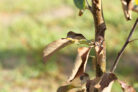
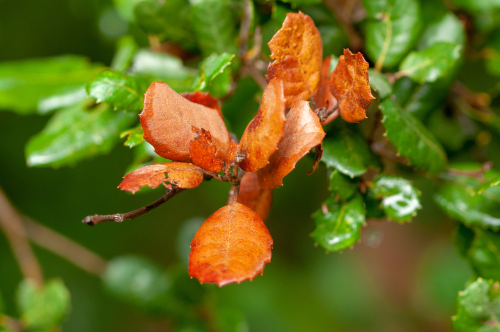
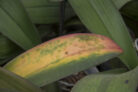
- Chlorosis: If both old and new leaves start turning yellow or brown starting at the tips, your plant is likely starving for specific nutrients.
- Waterlogging: Aronia hates “wet feet.” If the roots are sitting in stagnant water, the older leaves will usually be the first to show brown, crispy tips.
- Fire Blight: This is a rare but serious bacterial disease. If the leaves turn brown almost overnight and look scorched, this might be the culprit.
What can you do about the browning?
If chlorosis—usually an iron deficiency—is the problem for your Aronia hedge or potted plant, check your soil’s pH level. If the pH is higher than 6.5, the plant can’t “grab” the iron it needs from the soil. Adding Epsom salts or mixing in some peat can help lower the pH. Sometimes, transplanting it into better, more acidic soil is the best long-term move.
To fix waterlogging, try mixing compost into the soil to improve drainage and break up heavy clay.
What about Fire Blight?
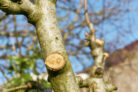
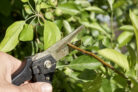
Aronia is usually very pest and disease-resistant, but Fire Blight is the exception. This bacterial infection can hit any Aronia variety and spreads fast. Your only real shot at saving the plant is a radical pruning—cutting back well into the healthy wood. Unfortunately, many plants can’t be saved and will die off quickly once infected.
Can the wrong location cause brown leaves?
The location itself usually isn’t the direct cause, but it plays a role. Aronia loves full sun but can handle partial shade just fine while still producing plenty of berries for juicing or freezing after the harvest. The real issue with location is usually the soil; if you plant it in a spot where water pools, you’re going to see those brown leaves from root stress.
How can you prevent brown leaves in the first place?
To keep your Aronia looking lush and green, keep these three tips in mind:
- Make sure the soil drains well to avoid standing water.
- Keep the soil pH slightly acidic (ideally under 6.5).
- Give it a boost once a year by fertilizing with organic matter rather than harsh chemicals.
Pro Tip: Aronia is a winter champ!
One of the best things about the chokeberry is how easy it is to overwinter. These plants are incredibly frost-resistant and can handle temperatures as low as -30°F without breaking a sweat. If yours is in a pot, just wrap the container in burlap or coconut mats to protect the roots, and it’ll be ready to pop back up in the spring!