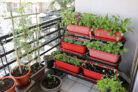
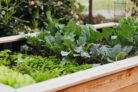
Adding Asian vegetables to your garden is a fantastic way to spice up your home cooking. The best part? Many of these vibrant varieties actually thrive in our local climates!
[[planting]]
++Thai Basil (Ocimum basilicum var. thyrsiflora)
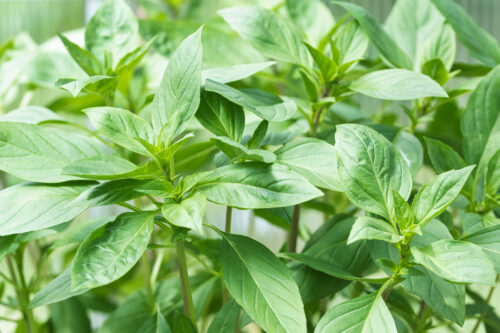
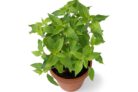
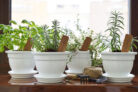
While Thai basil is a close relative of the sweet basil we all know and love, the flavor profile is a whole different ballgame. Its leaves bring a unique spicy kick with distinct notes of anise and cinnamon. It’s the secret ingredient for giving your sauces and stir-fries that authentic Asian flair, but don’t be afraid to get creative with it in other dishes too!
++Cilantro (Coriandrum sativum)
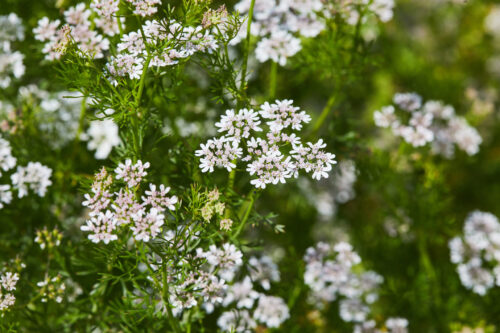
Cilantro is a staple in Asian cuisine and a breeze to grow in your backyard. These plants are generous producers, giving you plenty of leaves to harvest. They might look a lot like parsley, but the taste is unmistakable. Even a small sprinkle adds that signature punch to a dish. I know some people find the taste polarizing, but for many, it’s what makes a meal truly authentic.
++Okra (Abelmoschus esculentus)
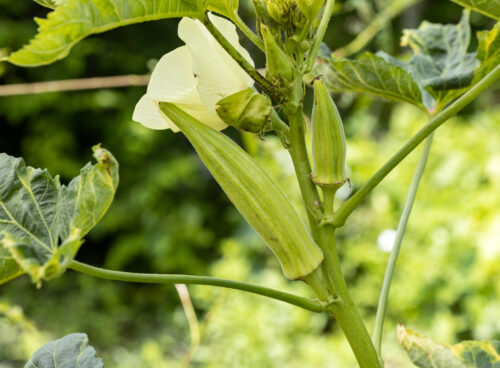
Okra is a favorite across many Asian countries. The green pods are harvested while they’re still young and tender, and they are incredibly versatile—you can eat them raw, blanch them, or fry them up. Compared to some bolder Asian veggies, okra has a relatively mild flavor. Pro tip: start your seeds indoors and transplant them once it’s warm enough. Just make sure they have nutrient-rich soil and plenty of water.
++Ginger (Zingiber officinale)
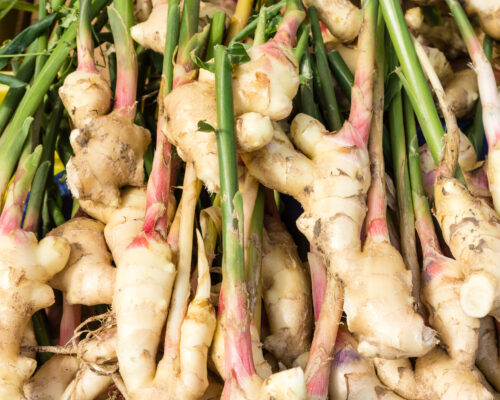
Ginger is easily one of the most popular Asian ingredients out there, and yes, you can grow it in your own garden! What we eat is actually the rhizome, which spreads out underground. Growing your own ginger is great because it’s not just for cooking; it’s also a powerhouse for wellness. It’s known to boost your metabolism and give your immune system a nice little lift.
++Pak Choi (Brassica rapa var. chinensis)
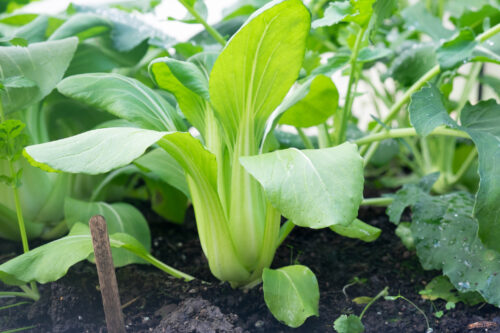
Pak Choi (or Bok Choy) looks a bit like a leafy cabbage and has a wonderful savory flavor. It’s a Chinese staple that works in countless dishes. If you’re planting it at home, pick a spot with plenty of sunlight—a sheltered garden bed is perfect. If you happen to have a greenhouse with high humidity, you’ll see it grow even faster and produce an even better harvest.
++Napa Cabbage (Brassica rapa subsp. pekinensis)
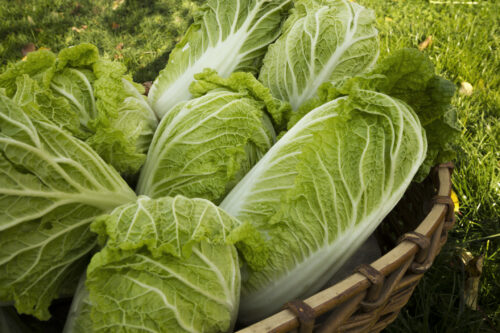
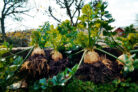
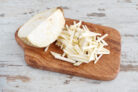
Napa cabbage is a true classic. It’s been a cornerstone of Southeast Asian cooking for centuries. You can easily grow this in your garden, but timing is key—wait until June to sow your seeds. It’s a fast grower, so you’ll be harvesting in no time. Planting in the summer is also important because if it gets too cold, the cabbage will start to bolt and flower.
++Lemongrass (Cymbopogon citratus)
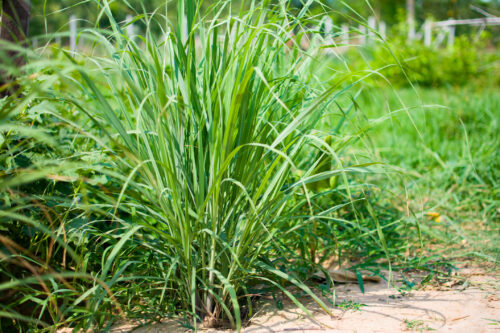
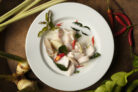
You really can’t have Asian cuisine without lemongrass. It provides that bright, citrusy note that defines so many Thai curries. But its uses go way beyond the kitchen; lemongrass tea is great for soothing an upset stomach, and its scent is a favorite in shampoos and soaps. Planting lemongrass opens up a world of possibilities for your home and kitchen.
%%Kaffir Lime (Citrus hystrix)
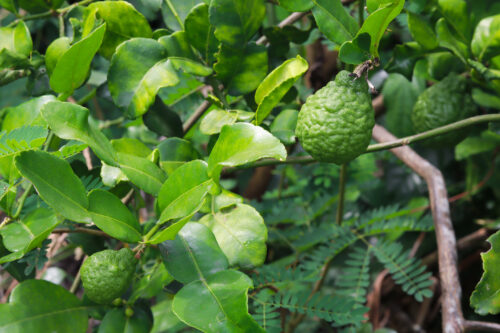
Kaffir limes are native to Southeast Asia and produce some very unique-looking, bumpy fruit. While the peels are actually great for keeping moths away, the fruit itself doesn’t have much juice. The real stars here are the leaves! They add a delicate, floral citrus aroma to dishes. Since the leaves are a bit tough, you usually simmer them whole in your sauces and then remove them before serving.