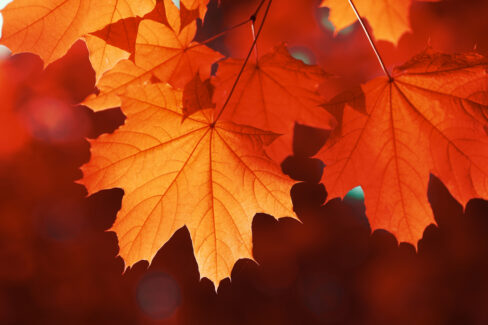
Trying to fit everything there is to know about the Maple tree into a single profile is pretty much impossible. If you’re falling in love with a specific variety, I definitely recommend doing a deep dive into that particular tree. But, if you’re looking for a solid overview of this diverse genus, you’ve come to the right place!
Maple Facts at a Glance
- Genus: Maples (*Acer*)
- Family: Sapindaceae (Soapberry family)
- Subfamily: Hippocastanoideae (Horse-chestnut family)
- Species: Between 110 and 200, depending on who you ask!
- Common North American Varieties: Sugar Maple, Red Maple, Silver Maple, Boxelder
- Native Range: Throughout the Northern Hemisphere; found in both tropical and temperate zones
- Lifespan: 200–500 years
- Growth Form: Trees or shrubs
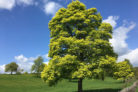
- Size: Can reach up to 130 feet (40 m) depending on the species
- Bloom Time: March to June (species dependent)
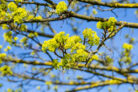
- Flowers: Usually subtle greenish-yellow clusters
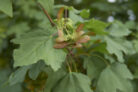
- Fruit: Winged seeds (samaras) that ripen in the fall—you might know them as “helicopters!”
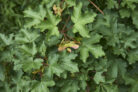
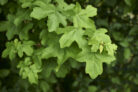
- Leaves: Hand-sized with multiple lobes
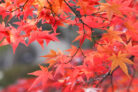
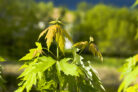
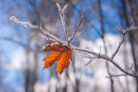
- Fall Color: Medium green in summer; turning vibrant yellow, orange, or red in autumn
- Root System: Mostly shallow-rooted, though some have heart-shaped root systems (Sycamore Maples are deep-rooted)
Note:
The seeds and sprouts of the Sycamore Maple are toxic to horses and donkeys.
Ways to Grow Maples
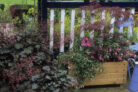
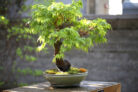
Because the Maple family is so diverse, there’s a variety for almost every spot in your yard. You can plant them as a stunning focal point (specimen tree) or even use species like the Field Maple for hedging. Asian varieties, like Japanese Maples, stay relatively small and grow into picturesque, artistic shapes—making them perfect for large pots on a balcony or patio.
And of course, we all know these trees are the source of delicious maple syrup! However, tapping trees for sap is a big job that’s usually best left to the pros.
Pro Tip:
The ‘Sango-kaku’ Japanese Maple (Coral Bark Maple) doesn’t just have gorgeous leaves; its branches feature stunning bright red bark that looks amazing even in the dead of winter.
Planting and Transplanting
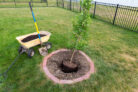
Hardy varieties should be planted in the fall, while more delicate types prefer being planted in the spring. If you’re growing a Maple in a container, plan on repotting it every 2–3 years with fresh soil and a slightly larger pot if needed. For maples in the ground, try to pick a “forever home” right away. Their wide-reaching root systems make them very difficult to transplant once they’ve been in the ground for more than five years.
Location and Soil
Most Maples love a sunny spot. If they’re stuck in too much shade, those famous fall colors will look a bit dull. That said, too much intense afternoon sun can actually scorch the leaves. Planting on a slightly elevated spot can help prevent “wet feet” (standing water). Also, if you’re planting Asian varieties, try to tuck them away from harsh, drying winds.
As for soil, they like it loose, well-draining, and rich in nutrients. Most prefer slightly acidic soil (pH between 4.5 and 7). Only a few varieties, like the Sycamore and Field Maple, are fans of alkaline or lime-heavy soil.
Care and Maintenance
Because they are shallow-rooted, Maples often struggle to find enough water on their own during long dry spells. If you don’t give them a helping hand with the hose, the leaves will start to turn yellow or brown. For garden trees, a little compost in the spring or fall goes a long way. For potted Maples, use a liquid fertilizer regularly during the growing season.
When it comes to pruning, less is more. Maples don’t typically sprout new growth from old wood, so be careful with the shears! The Field Maple is the only one that really handles heavy pruning well.
Pests and Diseases
Aphids love to snack on new shoots, and deer or rabbits might nibble on the bark. However, Maples are most susceptible to fungal issues. Some common things to watch out for include:
- Tar spot (Ahornrunzelschorf)
- Maple canker
- Powdery mildew
- Coral spot
- Sooty bark disease
- Verticillium wilt
Winter Hardiness
Most native North American Maples are incredibly hardy, surviving temperatures as low as -30°F (-34°C). However, young trees should still be wrapped in burlap or garden fleece for the first few winters. Some Asian varieties are more sensitive to the cold, especially when grown in pots. They’ll need some extra protection to survive the winter safely.
Propagation
In the wild, Maples spread via their winged seeds that “fly” on the wind. You can grow them from seed at home, too, but they need “stratification”—which is just a fancy way of saying the seeds need to be exposed to cold temperatures for 4–8 weeks to trigger germination.
An easier way to propagate is by taking softwood cuttings in early summer. Plus, trees grown from cuttings will be exact clones of the parent plant!