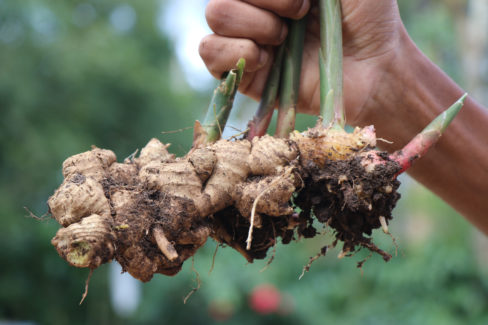
Ginger is a kitchen staple we all love, and while it originally hails from tropical and subtropical climates, you can absolutely grow it right in your own backyard! The trick is that ginger needs a long growing season, so you’ll want to give your rhizomes a head start indoors to ensure a great harvest by fall.
Choosing Your Rhizomes
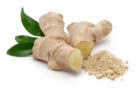
Ginger is a perennial, meaning it keeps producing new rhizomes year after year. Because it takes its sweet time to grow, overwintering your plants in pots is a total pro move. But if you’re starting from scratch, you can easily propagate a new plant using a ginger root from the store.
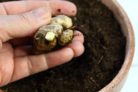
Keep an eye out for rhizomes that already show tiny buds or “eyes” (they look like little bumps)—those are your future sprouts! If you want the best results, definitely go for organic ginger. Conventional ginger is often treated with growth inhibitors to keep it from sprouting on grocery store shelves, which is the last thing we want as gardeners.
Waking Up the Roots
Ginger isn’t exactly a speed demon when it comes to sprouting, but you can give it a little nudge. Warmth is the secret ingredient here. Before you even think about soil, keep your rhizomes in a warm spot. This also lets you see where the sprouts are forming so you can cut the rhizome into pieces—just make sure each piece has at least one “eye.” More pieces mean more plants and a bigger harvest later!
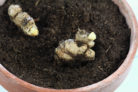
If your ginger is acting a bit sleepy, try soaking the pieces in lukewarm water overnight. After their bath, plant them in a shallow tray filled with nutrient-rich potting soil. Ginger is a “heavy feeder,” so don’t be afraid to give it high-quality, fertile soil right from the get-go.
Using a shallow tray is a smart hack—it lets the ginger establish a strong root system without requiring you to dig a massive hole when it’s time to move it outside.
Moving Outdoors
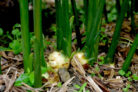
Once the threat of frost has passed—usually around mid-May—it’s time to plant your ginger outside. Dig a small hole and settle your ginger in, filling it back up with rich compost. I also like to mix in some slow-release organic fertilizer, like horn meal, to keep it fed throughout the season.
Since ginger loves humidity, it’s happiest in a greenhouse. If you don’t have one, a simple plastic cover or “low tunnel” works wonders. Just remember to vent it regularly so your plants can breathe!
Watering and Feeding
To keep your ginger happy, aim for consistently moist (but not soggy) soil. Pro tip: use room-temperature water rather than cold water straight from the hose. You can even mist the leaves to mimic that tropical humidity it craves.
During the peak growing season, stick to a liquid organic fertilizer. If you’re into DIY gardening, homemade compost tea works great, but store-bought organic liquid fertilizer is perfect too. Starting in August, switch to a potassium-rich fertilizer. This helps the plant focus its energy on growing those thick, sturdy rhizomes we’re looking for.
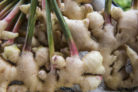
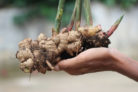
When fall rolls around, make sure to harvest your ginger before the first frost hits. And remember, if you save a few rhizomes to overwinter in pots indoors, you’ll get a much faster start next spring!