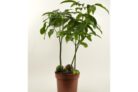
Don’t let the name fool you—the Australian Chestnut has almost nothing in common with the chestnut trees we see growing across Europe or North America. Since this beauty is used to much warmer tropical climates, it’s actually a fantastic candidate for an indoor houseplant. Here’s everything you need to know to help yours thrive.
Botanical Background and Basics
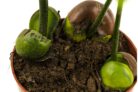
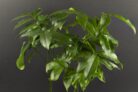
Botanically speaking, the Australian Chestnut isn’t a true chestnut or even a buckeye. It actually belongs to the legume family (Fabaceae). You can really see the family resemblance in its fruit, which looks a lot like giant green beans—which is why it’s often called the “Black Bean Tree.” In its native Australia, its lush, oversized leaves make it a popular choice for shade in parks and gardens.
To get your Australian Chestnut off to a great start, keep these tips in mind:
- Use a nutrient-rich potting soil.
- Keep the soil moist, but never waterlogged.
- Find a bright, sunny spot.
If you’re growing one of these at home, remember that they crave the warmth of their native habitat. This plant definitely won’t survive a frosty winter outdoors! It generally does very well in a warm indoor environment, provided it isn’t tucked away in a dark corner. These plants are sun-lovers, so place yours right by a window or somewhere it can soak up plenty of rays throughout the day.
Caring for Your Australian Chestnut
Because of those gorgeous, large leaves, Australian Chestnuts are pretty thirsty plants. You’ll want to water them frequently, but be careful not to overdo it. Standing water is a big no-no; it can lead to root rot, which ironically causes the leaves to dry out and drop off because the roots can no longer drink.
A steady supply of nutrients is also key to a happy plant. During the active growing season, try to give it some liquid fertilizer every two weeks. If you’re more of a “set it and forget it” gardener, slow-release fertilizer sticks work great too. While the plant is young, plan on repotting it once a year. As it matures and settles in, you’ll only need to move it to a larger pot about every three years.
When it comes to pruning, the Australian Chestnut is very low-maintenance. You don’t *have* to prune it, but it handles it like a champ. So, if your leafy roommate starts taking over the living room, don’t be afraid to grab the shears and give it a good trim!