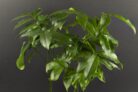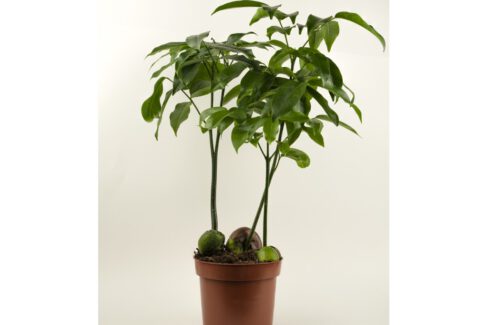
The Australian Black Bean (also known as the Moreton Bay Chestnut) is a total favorite for indoor plant lovers. But what happens when your little tree starts hitting the ceiling? Don’t panic! Today, I’m going to walk you through how to prune your plant and what you need to keep in mind. The good news? Pruning this beauty is actually pretty straightforward.
Does the Australian Black Bean actually need pruning?
As you might have guessed from the name, the Australian Black Bean hails from Down Under. It’s an evergreen that’s used to the warm Australian climate, which means it definitely doesn’t do well with frost. That’s why, here in the States, we usually keep it as a houseplant rather than out in the yard. For the most part, it’s a very low-maintenance roommate.
You really only need to reach for the shears under specific circumstances. Unlike some plants that need constant grooming, you only need to trim this one if it’s literally outgrowing your living room. There’s no need for regular “shaping” or training cuts. My advice? Give the plant some time before you do your first trim. You want to wait until the trunk is nice and sturdy and the tree has developed a natural shape that you can use as a guide.
How to keep your Australian Black Bean at a manageable size
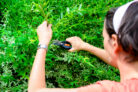
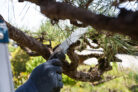
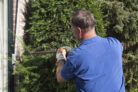
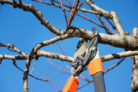
To get started, you’ll need a sharp, clean pair of pruning shears. I always recommend disinfecting your blades before you start—it’s the best way to prevent any nasty bacteria from getting into the fresh cuts. Once you’re ready, you can be fairly bold with your cuts, but try to respect the plant’s natural silhouette. Start by removing any dry, dead, or excessively long “leggy” branches. After that, you can trim the rest down to your desired height and shape. A healthy tree will bounce back from this without any issues at all.
Here’s your pruning toolkit:
- Sharp pruning shears
- Disinfectant (like rubbing alcohol)
Don’t worry about accidentally cutting off flower buds; when kept indoors, the Australian Black Bean rarely blooms anyway. If you want to slow down its growth naturally so you don’t have to prune as often, try repotting it less frequently. Just a heads-up: if you keep it in a smaller pot, you have to be extra diligent about fertilizer. If the plant runs out of nutrients, you might find that your plant starts dropping its leaves.