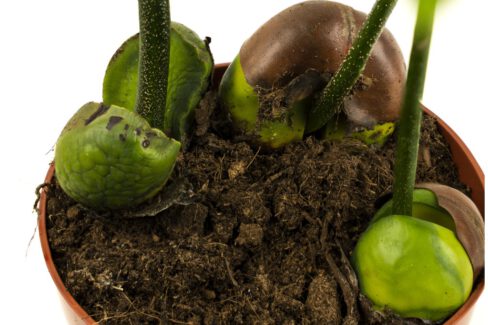
Australian chestnuts make fantastic houseplants, and they’re surprisingly easy to care for indoors. Once summer rolls around, you can even move your leafy friend outside to soak up some sun. However, if you want your tree to really thrive, you’ll need to repot it every now and then. Here’s the lowdown on how to get it right.
Give Those Roots Some Room to Breathe
Regular repotting is a total game-changer when you’re growing plants indoors. If you skip this step, your chestnut won’t just run out of physical space; the roots will keep trying to grow, which increases the pressure inside the pot.
When a pot gets too cramped, the plant can’t soak up nutrients efficiently anymore. Plus, the soil gets so packed down that water can’t drain properly. This leads to the dreaded “wet feet” (root rot), which can actually cause the leaves to dry out and drop off. You definitely want to avoid that! Keeping a consistent repotting schedule is especially important for younger plants, though you don’t want to overdo it and stress them out unnecessarily.
How to Repot Like a Pro
For the first few years, you’ll want to repot your Australian chestnut once a year. Move it into a slightly larger container where the roots have plenty of wiggle room. Make sure the new soil sits loosely around the root ball—no need to pack it down too hard. As the tree matures, you can switch to repotting about every three years. A good rule of thumb is to check the size of the root ball to see if it’s outgrowing its home.
Step-by-Step Guide:
- Move young plants to a new pot every spring.
- Pro tip: If you want to keep your plant on the smaller side, you can hold off on repotting as often.
- Start with a drainage layer of clay shards or gravel at the bottom of the pot.
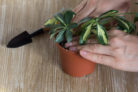
- Add some fresh soil and center your plant.
- Fill the rest of the space with high-quality potting soil or cactus mix.
Once your chestnut is in its new home, give it a good drink of water to help it settle in. Starting in the spring, you can also start adding some nutrients back into the mix. A liquid fertilizer or a slow-release option works wonders. And while you don’t *have* to prune your plant, it’s totally fine to give it a little trim if you want to maintain a specific shape!