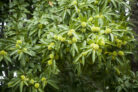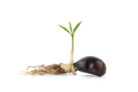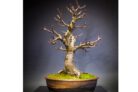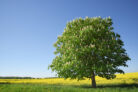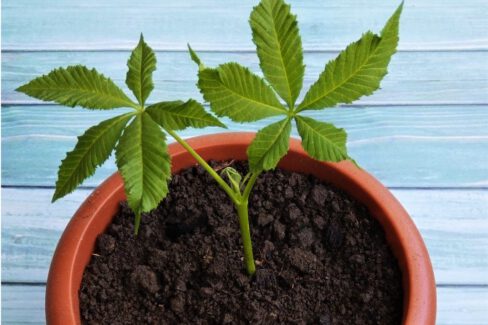
When you think of a chestnut tree, your mind probably goes straight to those massive trees in the park—not exactly something you’d picture sitting next to your sofa. But believe it or not, there are certain varieties that make fantastic houseplants! While they don’t have much in common with the wild chestnuts we see outside, they are absolute stunners for home decor.
The Chestnut as a Houseplant
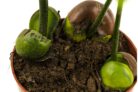
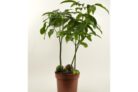
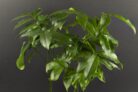
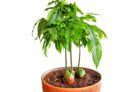
Standard varieties like the Horse Chestnut or the Sweet Chestnut are definitely not meant for indoor living. However, the Australian Chestnut (Black Bean) and the Money Tree (Pachira aquatica) are a different story. Even though they aren’t actually related to native chestnuts, they share the name and grow beautifully indoors. The Australian Chestnut can even thrive in the garden if you live in a warm climate, while the Money Tree prefers cozy, consistent temperatures year-round. Fun fact: both types are also popular choices for bonsai enthusiasts!
Caring for your Australian Chestnut
If you’re looking for something low-maintenance, the Australian Chestnut is a great pick. When the plant is young, it needs plenty of water to fuel its growth, but you have to be careful not to overdo it—soggy soil and standing water are its worst enemies. It loves a warm spot, but it’s actually pretty hardy and can handle a brief cold snap. Because of that, many people move theirs out to the patio or garden during the summer months.
Tips for a Happy Money Tree
The Money Tree sometimes gets a bad rap for being “fussy,” but honestly, that’s usually because of how they’re treated at the store before you even buy them. Keep your eyes peeled when shopping! You’ll often see them sold with braided trunks in tiny, cramped pots. This isn’t great for the plant’s long-term health, so your best bet is to repot it into a larger planter as soon as you get it home.
Since Money Trees are native to Central America, they crave bright, sunny spots. As long as you give them a big enough pot and keep the soil consistently moist, they can even handle direct midday sun. Just check the soil—if the top layer feels dry, it’s time for a drink. Wintering is easy, too; just keep them in a room between 60°F and 70°F, and they’ll be perfectly happy until spring.
Indoor Chestnuts: The Quick Essentials
- Skip the Horse or Sweet Chestnuts; they aren’t meant for indoors.
- Go for an Australian Chestnut or a Money Tree for your living room instead.
- Australian Chestnuts love a “summer vacation” outdoors in the garden.
- Money Trees are usually sold in pots that are way too small.
- Pro tip: Repot your Money Tree immediately after buying it to give it room to breathe!