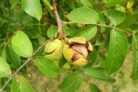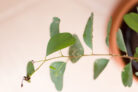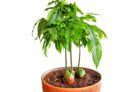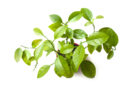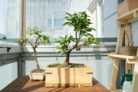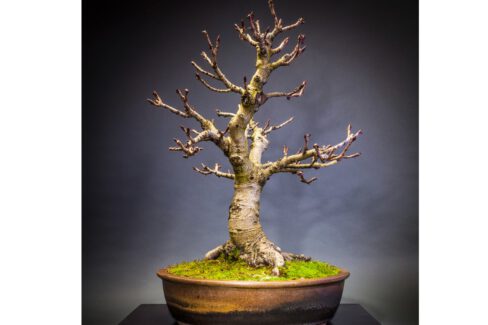
When you think of a chestnut tree, you probably picture a massive, majestic giant towering over a park. But believe it or not, these beauties can actually be grown as bonsai! It definitely takes some extra effort and a bit of a “green thumb,” but in this post, I’ll walk you through everything you need to know to get started.
The Chestnut as a Bonsai
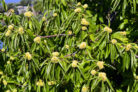
Growing a chestnut bonsai isn’t exactly a walk in the park. It takes more than just a quick trim every now and then; you really have to stay on top of it. One of the biggest challenges is the size of the leaves—chestnuts naturally have huge foliage, which can look a bit out of place on a tiny tree. However, with plenty of patience, you can eventually get the proportions in sync. If you’re an experienced gardener looking for a fun challenge, this is a great project for you.
Technically, you can use almost any type of chestnut for bonsai. The general approach and care are pretty similar across the board, though you’ll want to tweak the nutrients depending on the specific variety. For example, Sweet Chestnuts prefer low-calcium water, while the Australian Chestnut has its own set of rules. It’s always a good idea to do a little homework on your specific variety first.
Getting Started the Right Way
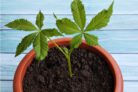
Your best bet is to start with a young sapling. While chestnuts usually love a big pot to spread their roots, you’ll want to choose a much smaller container for a bonsai. This limits root growth and keeps the tree’s development nice and slow. For the first three years, you should perform a “root prune,” where you generously trim the roots back by about a third. Over time, this actually helps those oversized leaves shrink down to a more appropriate size.
When it comes to the branches, wait until you see two or three pairs of leaves before you start pruning. You’ll notice that each new pair of leaves grows slightly larger than the last. To keep things in check, prune the shoot just above the first pair. Again, you’ll see that the new leaves that grow back will gradually get smaller and smaller.
Proper Care and Maintenance
Your little tree will be happiest in a bright, sunny spot. Keep the soil moist, but be careful not to overwater—standing water is a recipe for root rot and other diseases. Also, try to avoid water with high salt content, or you might end up with brown leaves ruining your bonsai’s aesthetic. A little bit of the right fertilizer in the spring will also go a long way in keeping it healthy.
Quick Summary
- Yes, you can absolutely grow a chestnut as a bonsai!
- It’s a challenge, but totally doable with some patience.
- Start with a small pot to limit growth.
- Trim the roots by about a third during the first three years.
- Prune shoots back to the first pair of leaves once two or three pairs have grown.
- Keep the soil moist, but never soggy.
- Give it a little fertilizer boost in the spring.