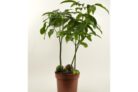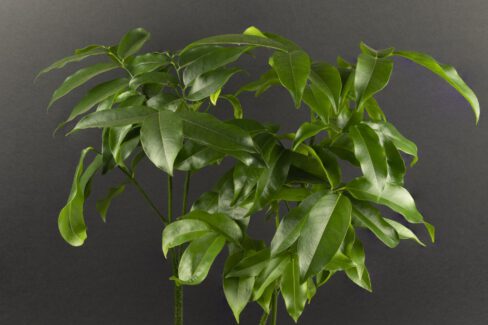
With its stunning foliage, the Australian Chestnut (also known as the Moreton Bay Chestnut) is a beloved shade tree Down Under and a total standout as a houseplant here in the States. But what does it mean when your plant suddenly starts dropping its leaves? If your green thumb is feeling a little nervous, don’t worry—here’s the lowdown on what might be going wrong.
What Leaf Loss is Trying to Tell You
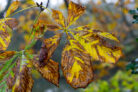
The Australian Chestnut is an evergreen, which means it should keep its lush green leaves all year round. Unlike maples or oaks, it doesn’t have a “fall shedding” phase. If you notice weird discolorations or find a carpet of leaves on the floor, your houseplant is sending out an SOS. Usually, this is its way of saying something is off with its care routine.
Here are the most common culprits:
- Not enough water (underwatering)
- “Wet feet” (standing water in the roots)
- Potassium deficiency slowing down growth
- Not enough sunlight
- Temperatures that are too chilly
When troubleshooting, keep its origins in mind. These plants are native to much warmer climates. They aren’t built for freezing winters or dark, gloomy corners. If it gets too cold or too dark, the plant’s metabolism hits a snag, and it simply can’t support its foliage anymore.
How to Get Your Plant Back on Track
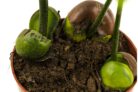
First things first: check the soil and the lighting. Grab a handful of the potting mix—does it feel soggy or smell a bit musty? If so, you’ve got a drainage issue. You’ll want to swap out the soil and add a drainage layer of clay pebbles or coarse gravel at the bottom of the pot. This helps excess water escape so the roots can breathe. Remember, it’s better to water consistently and moderately rather than drowning the plant once a week. It might also be a good time to repot your plant into a fresh home.
If the leaves look stunted, you might be dealing with a nutrient deficiency, specifically potassium. To fix this, make sure you’re feeding your Australian Chestnut regularly during its active growing season. Once spring hits, I recommend using a liquid fertilizer every two weeks or popping in some slow-release fertilizer sticks.
With a little adjustment to its environment and a steady diet of nutrients, your Australian Chestnut should be back to its vibrant, leafy self in no time!