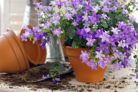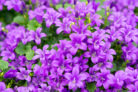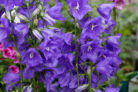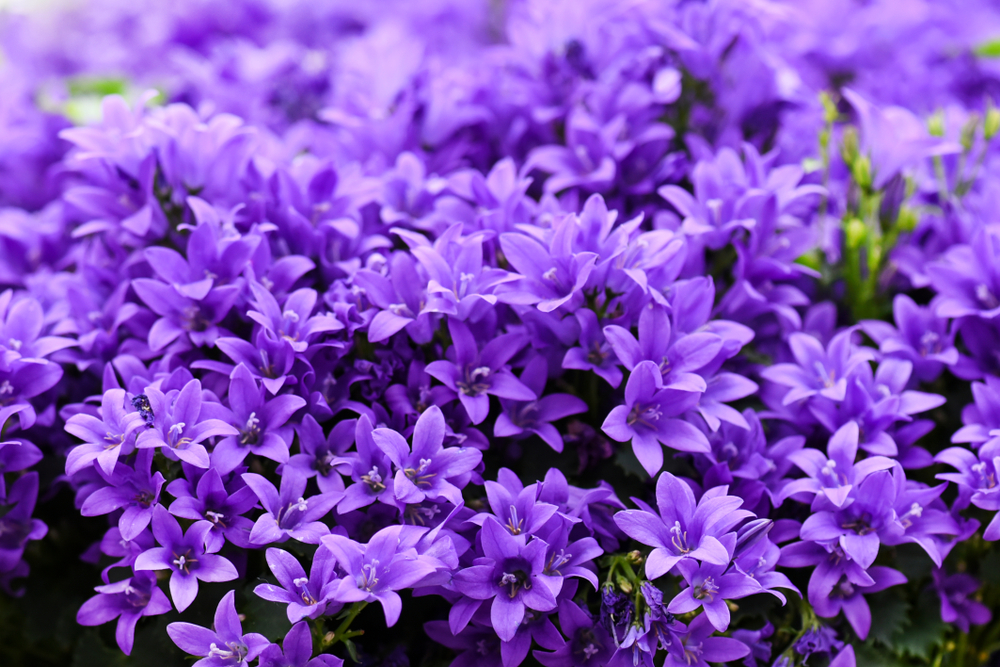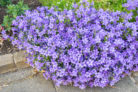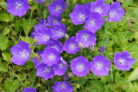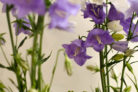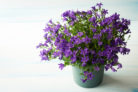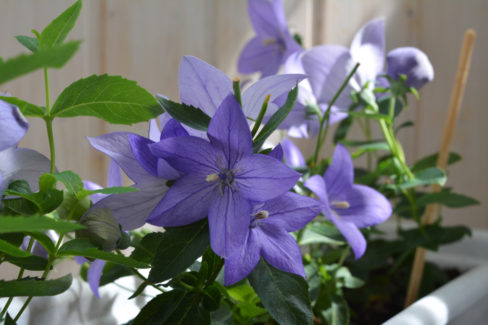
Bellflowers (Campanula) aren’t just gorgeous, long-blooming staples for the garden—they’re actually some of the best candidates for your balcony, too! While they look stunning sprawling across a large rock garden, their charming blooms are just as happy in much smaller outdoor spaces.
Perfect for Every Type of Container
The great thing about bellflowers is their versatility. You don’t need a massive flower bed to enjoy them; they thrive in window boxes, various-sized pots, or even hanging baskets. Just a heads-up: if you’re looking to bring them indoors, you’ll want to stick to specific varieties bred for houseplant life, like *Campanula isophylla*.
A Little Extra TLC Goes a Long Way
If you’re planting on a balcony, I highly recommend the cushion-forming varieties with trailing stems—they look amazing spilling over the sides of a pot. Keep in mind, though, that container-grown bellflowers need a bit more attention than their cousins in the ground. In a garden bed, they can hunt for nutrients in the soil on their own. In a pot, they rely entirely on you, so regular fertilizing is key to keeping them happy and healthy.
Watering Tips and Picking the Right Spot
Watering is another biggie. You’ll want to keep the potting mix consistently moist. During those scorching mid-summer days, the soil in containers can dry out fast, and unfortunately, that can be game over for your bellflowers if you aren’t careful.
You also need to consider how much sun your balcony gets. In the wild, there are about 300 different species of Campanula found everywhere from shady woodlands to sunny alpine peaks. Because their natural habitats vary so much, their light requirements do too. Before you buy, make sure the variety you pick matches the amount of daily sunlight your balcony actually receives.
To wrap it up, here’s your quick checklist for balcony bellflower success:
- Keep the soil consistently moist with regular watering.
- Don’t skip the fertilizer!
- Choose a variety that fits your balcony’s specific light conditions.