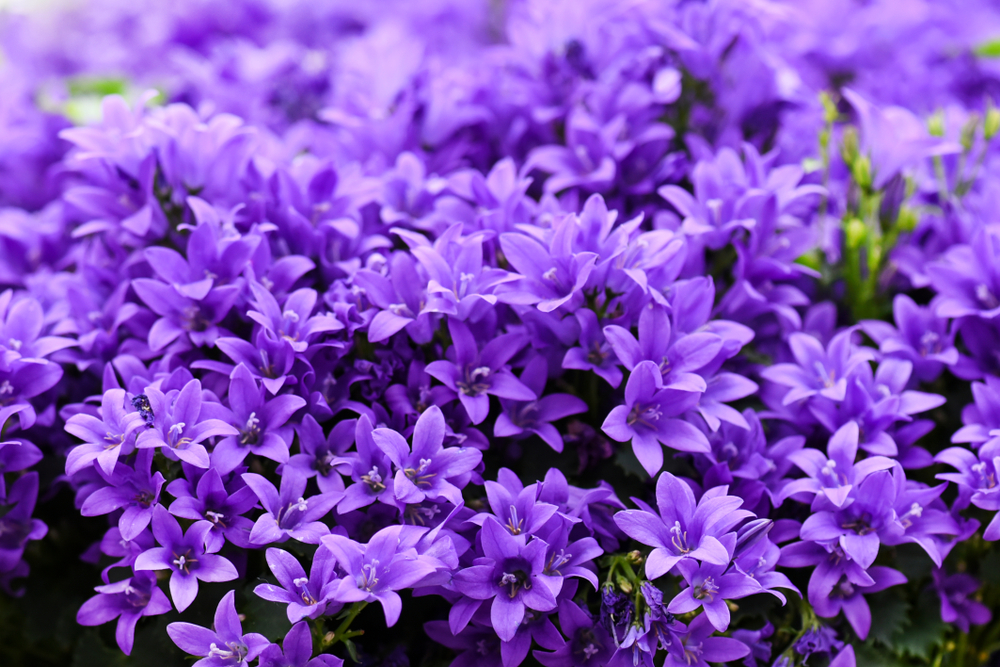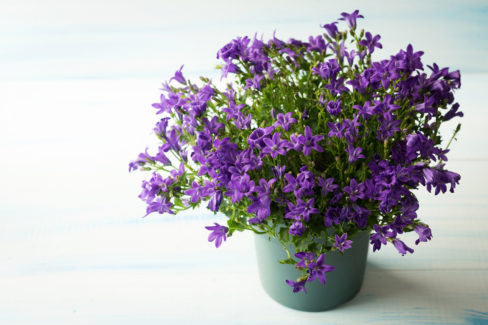
The bellflower’s stunning blooms are a staple in gardens and on balconies all across the country. But when it comes to bringing them indoors, most people only think of them as cut flowers for a vase. That’s because only a few specific varieties actually thrive as houseplants—with the Star of Bethlehem (*Campanula isophylla*) being the absolute superstar of the bunch.
A Little Mediterranean Charm
Originally hailing from Northern Italy, the evergreen Star of Bethlehem gets its name from its beautiful, star-shaped petals. Depending on which variety you pick up, the colors can vary, but you can usually expect a gorgeous show of blooms starting in June or July and lasting well into September. Since they love temperatures between 65°F and 70°F, they feel right at home in a typical living room setting.
Finding the Perfect Spot
If you’re planning to grow bellflowers inside, the most important thing to remember is: they need their sunshine! You’ll want to find a location for your pot that gets plenty of bright light. In the wild, these plants like to spread out like a floral carpet, so they usually only hit about 8 inches in height. However, if you want a more dramatic look, they look absolutely stunning in hanging planters, where their stems can trail down and grow much longer.
Keep Those Blooms Happy
The Star of Bethlehem isn’t too picky about nutrients, but if you want a massive explosion of flowers, it’s a good idea to give them a little boost. A light feeding with standard liquid fertilizer every two weeks should do the trick. The real secret, though, is the water. You want to keep the soil consistently moist, but be careful—nobody likes “wet feet,” so make sure the pot drains well to avoid standing water.
To sum up, here’s how to successfully grow bellflowers as houseplants:
- Stick to the right varieties, like the Star of Bethlehem.
- Pick the sunniest spot in your home.
- Keep a steady watering schedule and don’t forget the occasional fertilizer.