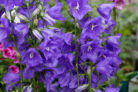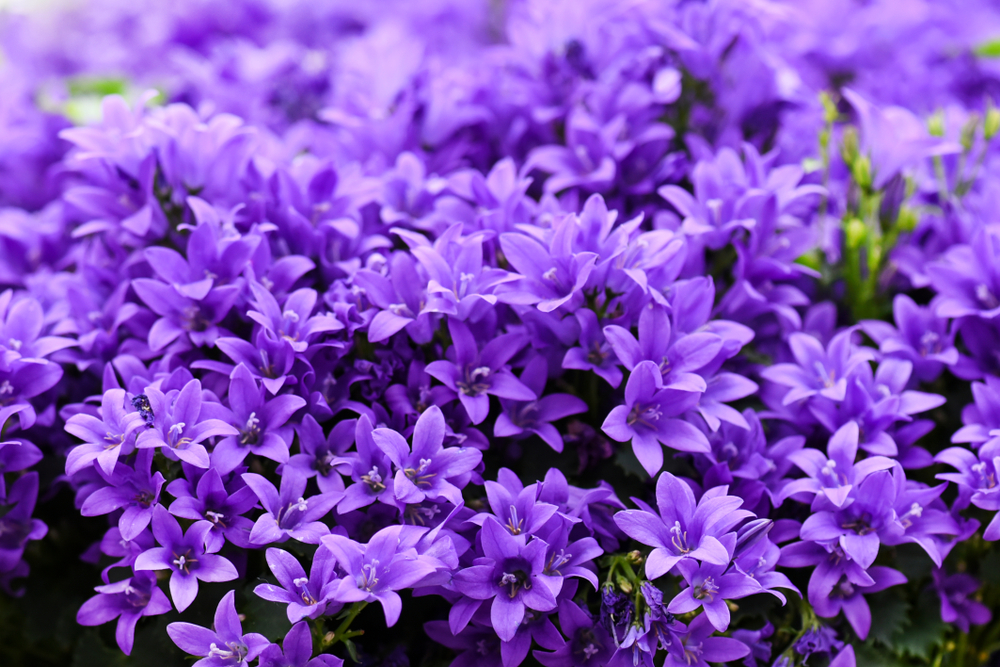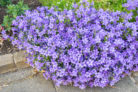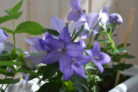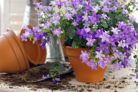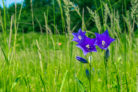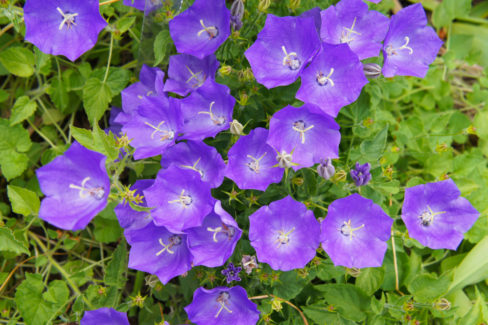
When the bellflower (Campanula) starts blooming in the garden, it’s always a showstopper. It’s no wonder so many of us green thumbs want to spread that magic around and propagate our plants. If you’re looking to add more of these beauties to your yard, starting them from seed is definitely the way to go!
Sowing Bellflower Seeds
With a lot of garden plants, starting from seed can feel like a total gamble. Luckily, bellflowers aren’t like that—they’re usually very reliable and easy to grow. The most important thing to keep in mind is that most bellflower species are “dark germinators.” This means they need total darkness to sprout, so you can’t just scatter them on top of the soil. You’ll need to make sure they’re covered with at least half an inch of dirt.
Choosing the Right Variety
Now, there are always exceptions to the rule! Some bellflowers are actually “light germinators,” like the popular Canterbury Bells. You can simply scatter those seeds directly where you want them to grow in your garden without worrying about burying them. Also, keep an eye out for hardy perennial varieties when picking your seeds. That way, you won’t have to go through the sowing process all over again next year!
Starting Seeds Indoors
The downside to sowing directly outdoors is that you have to wait until the danger of frost has passed in May. Even the toughest hardy varieties don’t handle late spring frosts well when they’re just tiny seedlings. If you’re hoping to see those blooms in the very first year, your best bet is to start them indoors in early spring. Here’s how to do it:
- Fill your seed trays or pots with a low-nutrient seed-starting mix (herb or cactus soil works great too).
- Lightly mist the soil with a spray bottle so it’s damp but not soaked.
- For dark germinators, tuck the seeds about half an inch deep into the soil.
- Place your pots in a bright spot, but keep them out of direct, harsh sunlight.