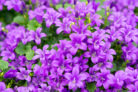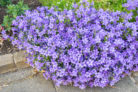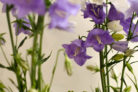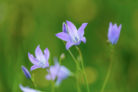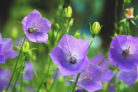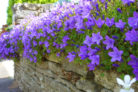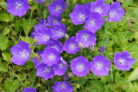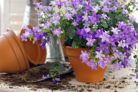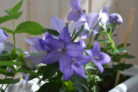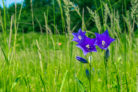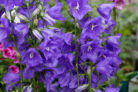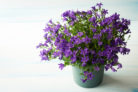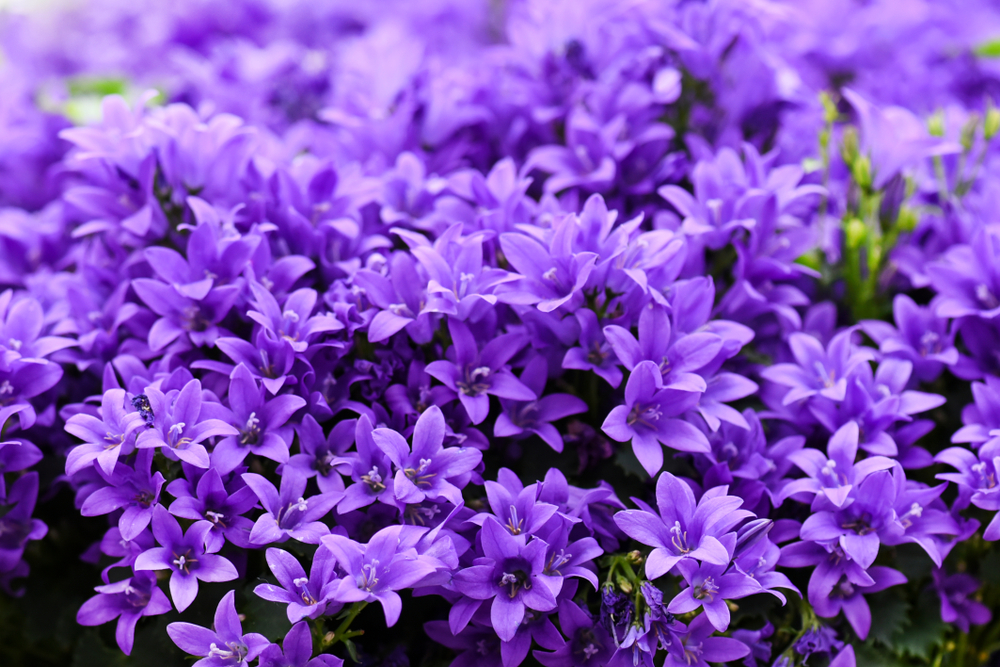
Bellflowers (botanical name *Campanula*) are absolutely charming, low-maintenance beauties that feel right at home whether they’re in your garden beds or brightening up a sunny windowsill. They get their name from those delicate, bell-shaped blooms that traditionally came in shades of blue and violet. These days, though, you’ve got a whole rainbow to choose from—including white, yellow, pink, red, and even orange varieties. Stick with this guide, and you’ll have these colorful gems thriving in no time!
Origin and Distribution
A summer garden just isn’t complete without bellflowers, and they make fantastic accents for balconies and patios, too. With over 300 different species, there’s a variety for almost every environment. While they belong to the *Campanulaceae* family and are found across the Northern Hemisphere, most of the types we grow in our gardens hail from the Mediterranean, the Balkans, and the Caucasus. You’ll also find varieties native to Asia (especially Iran and the Himalayas) and North America.
Because they come from such diverse backgrounds—ranging from lush meadows and rocky steppes to rugged mountain peaks—you can find a species for pretty much any spot in your yard. Most are deciduous perennials usually grown as annuals or biennials, though you can find some evergreen types if you look closely.
How to Use Them
Bellflowers are incredibly versatile. They look great in summer flower beds, perennial borders, balcony pots, or even as houseplants. While almost any variety can grow in a container, some are real showstoppers in pots. Varieties with long, trailing stems are perfect for hanging baskets or tall planters. For balcony boxes, stick to the shorter varieties—just remember, the smaller the pot, the smaller the plant should be!
If you want an indoor roommate, *Campanula isophylla* is your best bet. Most other species will eventually struggle indoors because they just don’t get enough natural light.
Appearance and Growth
The way these plants grow varies wildly. You’ve got tiny, “cushion-forming” types like the Carpathian Bellflower (*Campanula carpatica*) or the Fairy’s Thimble (*Campanula cochleariifolia*) that stay under four inches tall. On the flip side, the Great Bellflower (*Campanula lactiflora*) can shoot up to six feet high!
Leaves
Most bellflower leaves are simple, though some have heart-shaped or “toothed” edges. A cool characteristic to look for are the tiny white glands along the leaf margins. Generally, you won’t see any stipules (those tiny leaf-like appendages at the base of the stem).
Flowers and Bloom Time
The star of the show is, of course, the bell-shaped bloom. Depending on the variety, these can also look like little stars or tubes. Most bellflowers show off between June and September. While classic blues and deep purples are the standard, breeders have given us some stunning alternatives, like the snowy white ‘Alba’ or ‘Bavaria White.’
The flowers can appear as solitary bells or grow in clusters like grapes (racemes) or branched panicles.
Fruit
Bellflowers produce something called “pore capsules,” which are actually pretty rare in the plant world. Instead of the fruit splitting open when ripe, the seeds simply drop out of little holes in the capsule. They are prolific self-seeders in the right conditions, so if you don’t want a bellflower takeover (or if you aren’t planning on harvesting seeds), be sure to deadhead the spent blooms.
Toxicity
You might see some conflicting info online, but there’s no scientific evidence that bellflowers are toxic. In fact, the Rampion Bellflower (*Campanula rapunculus*) is actually edible—its leaves are great in wild salads, and the roots taste a bit like celery!
That said, the milky sap contains mildly irritating alkaloids. Some people, small kids, or pets might be sensitive to it, so it’s always a good idea to keep them from munching on the plants to avoid a potential upset stomach.
The Right Spot
Even though there are hundreds of types, they mostly agree on one thing: they love the sun. A sunny to lightly shaded spot is usually best. Just check your specific variety—some crave full sun, while others, like the Wide-leaved Bellflower (*Campanula latifolia*), naturally grow under trees and are perfect for shadier garden spots or north-facing balconies. Just avoid deep, dark shade; they won’t be happy there.
One thing to watch out for: that scorching midday summer sun. It can actually sunburn the delicate petals. If it gets too hot, give them some shade or move your pots to a protected spot.
For indoor plants, keep them in a bright but cool spot. A south-facing window might be too intense; east or west is usually better. Also, they hate dry heater air in the winter, so keep them away from vents!
Soil and Substrate
Bellflowers aren’t too picky as long as the soil is loose and drains well. They hate “wet feet,” so standing water is a no-go. They thrive best in nutrient-rich, loamy soil. If you’re planting in the ground, mix in some compost and coarse sand. For pots, use a high-quality compost-based potting soil and make sure there’s a drainage hole at the bottom.
Sowing Seeds
Growing these from seed is pretty straightforward. You can start them indoors around late February:
- Fill seed trays with a light seed-starting mix.
- Sow the seeds and keep the soil moist (not soaked!).
- Cover with a clear lid to create a mini greenhouse.
- Place them in a warm, bright spot—but out of direct sun.
- Wait until after the last frost to move them outside; the young sprouts are very sensitive to cold.
Pro tip: Check if your variety needs light or dark to germinate. “Light germinators” should just be pressed onto the soil surface, while “dark germinators” need a light covering of soil. Also, many are “cold germinators,” meaning the seeds need a “winter” (stratification) in the fridge for 4-6 weeks before they’ll sprout.
Planting
You can move established plants outside starting in April, but keep an eye on the weather report. If a late frost is predicted, cover them with some garden fleece or evergreen branches overnight.
Don’t bury them too deep—the roots should be about an inch below the surface. Press the soil down gently, give them a good soak, and keep them well-watered for the first few weeks while they settle in.
Timing and Spacing
Spring is the best time for young plants, while older ones can be moved even in late summer. Give the low-growing, spreading types plenty of elbow room. For the tall varieties, it’s a good idea to use a stake so they don’t topple over in a summer storm.
Repotting
If you’re growing them in containers, you’ll likely need to repot every two years or whenever you see roots poking out of the bottom. If the plant is getting too big, you can easily divide it into two smaller plants. This is a great way to get “free” plants for other parts of your garden!
Watering
Once established in the ground, they only need extra water during dry spells. Pot-grown plants, however, need regular watering since they can’t reach deep into the earth. Use the “finger test”—if the top inch of soil feels dry, it’s time for a drink.
Fertilizing
For garden beds, a bit of compost is usually all they need. For pots, use a liquid flowering plant fertilizer every 2-4 weeks during the growing season. Don’t fertilize at all during the winter.
Pruning
No major haircuts needed here! Just snip off brown stems or faded flowers to keep the plant looking tidy and to encourage more blooms. If a spreading variety gets out of control, it’s usually better to divide it in the spring or fall rather than just hacking it back.
Propagation
Sowing seeds or dividing the root ball are the easiest ways to get more bellflowers. Some types can be grown from cuttings, but division is almost always the “sure thing.”
Overwintering
Hardy garden varieties can stay outside. They might die back to the ground when it gets cold, but they’ll pop back up in the spring.
For potted bellflowers, bring them inside to a cool, frost-free room (around 50°F is perfect). Cut them back, water them sparingly, and skip the fertilizer until spring. They can even handle a dark room during their winter nap.
Pests and Diseases
Bellflowers are generally tough, but they can occasionally deal with mildew or rust if they’re too crowded or wet. “Campanula rust” is a specific fungus that loves the Peach-leaved Bellflower. If you see spots, cut off the affected leaves and make sure the plant has better airflow.
As for bugs, watch out for aphids or thrips. An organic insecticidal soap usually does the trick.
Gardener’s Tip: Slugs *love* Carpathian Bellflowers. If you’re planting those, a slug fence or some organic slug bait is a lifesaver!
Popular Varieties to Try
- **Dalmatian Bellflower (*C. portenschlagiana*):** A low-growing purple carpet (6 inches max).
- **Serbian Bellflower (*C. poscharskyana*):** Great for shade and trailing over walls.
- **Carpathian Bellflower (*C. carpatica*):** Bushy and full of blue-violet blooms.
- **Canterbury Bells (*C. medium*):** A taller classic (up to 3 feet) with big, beautiful bells in pink, white, or blue.
- **Peach-leaved Bellflower (*C. persicifolia*):** Tall and elegant, perfect for the back of a flower bed.
- **Chimney Bellflower (*C. pyramidalis*):** A giant that can reach 6 feet—looks amazing next to roses!
Happy gardening!
*Ines Jachomowski*