Mildew is one of those super common fungal issues that can really ruin a gardener’s day—and unfortunately, it loves kitchen herbs like basil just as much as we do. Today, I’m going to show you how to spot Downy Mildew early and, more importantly, how to kick it to the curb.
Is Basil Prone to Downy Mildew?
The short answer is yes. Basil is quite susceptible to Downy Mildew, known scientifically as *Peronospora belbahrii*. This specific strain was first spotted in Switzerland back in 2001, and it’s been making its way across gardens worldwide ever since.
What Exactly is Downy Mildew?
Downy Mildew is a fungal infection often nicknamed the “bad weather fungus.” It doesn’t discriminate; it attacks everything from ornamental roses to veggies and herbs.
How Do I Spot Downy Mildew on My Basil?
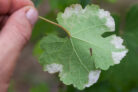
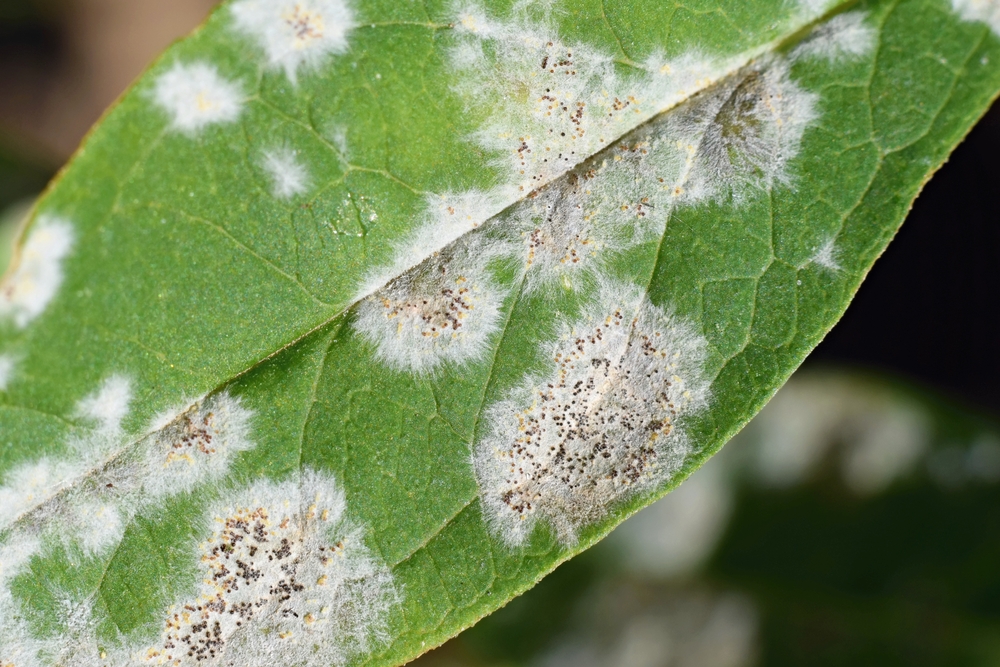
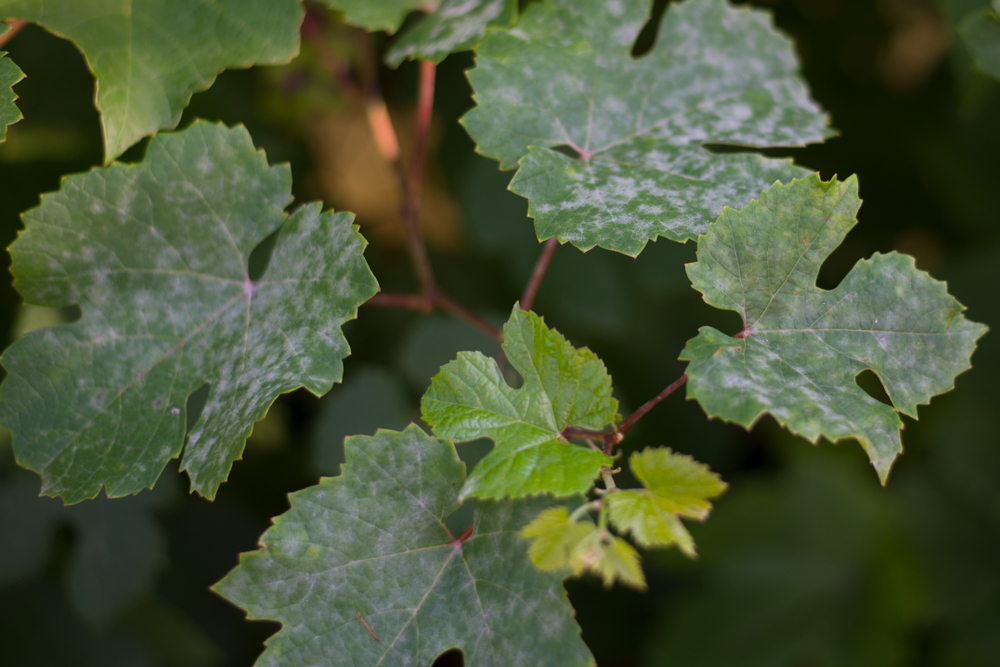
The trick to identifying Downy Mildew is looking at both sides of the leaf—unlike Powdery Mildew, which usually sits on top. You’ll notice a characteristic fuzzy white, gray, or even purplish-brown coating on the *underside* of the leaves. On the top side, you’ll see yellow or brown spots that can eventually spread to the stems and flowers. If left untreated, your basil plant will sadly wither away.
When Does Downy Mildew Usually Strike?
Keep a close eye on your basil in late summer and fall. The fungus thrives when warm daytime air cools down rapidly at night, causing humidity to spike. It’s safe to say this fungus absolutely loves moisture and spreads like wildfire when the air is damp.
How Can I Get Rid of It?
If you want to fight back against mildew, speed is your best friend. The sooner you act, the better chance you have of saving your pesto harvest:
- Pluck off any infected leaves immediately and toss them in the trash (not the compost!).
- Spray your plants with a natural tea made from horsetail, tansy, or even a simple garlic-water mixture.
When it comes to herbs you plan on eating, these home remedies are always a better choice than harsh chemicals.
Can I Prevent Downy Mildew?
Prevention is the best medicine! Here are a few pro-tips to keep your basil healthy:
- Keep the leaves dry. If they get soaked during a heavy rain, gently shake them off.
- Always water from the bottom, aiming for the soil rather than the foliage.
- Don’t over-fertilize; too much nitrogen can make the plant’s tissues soft and vulnerable.
- Give your plants space! Good airflow is key to keeping moisture from settling.
Is Basil With Downy Mildew Still Safe to Eat?
If a leaf is already covered in fungus, you should definitely skip it—eating mold or fungal spores isn’t a great idea. However, if you’ve treated the plant with natural remedies and the new growth is clean and healthy, those fresh leaves are perfectly fine to eat.
Pro-Tip: Keep Infected Leaves Out of the Compost!
When you prune off those sick leaves, keep them far away from your compost pile. Fungal spores are hitchhikers; they can survive in the compost and use the wind to travel right back to your garden, infecting your other plants all over again. Stick them in the household trash instead!