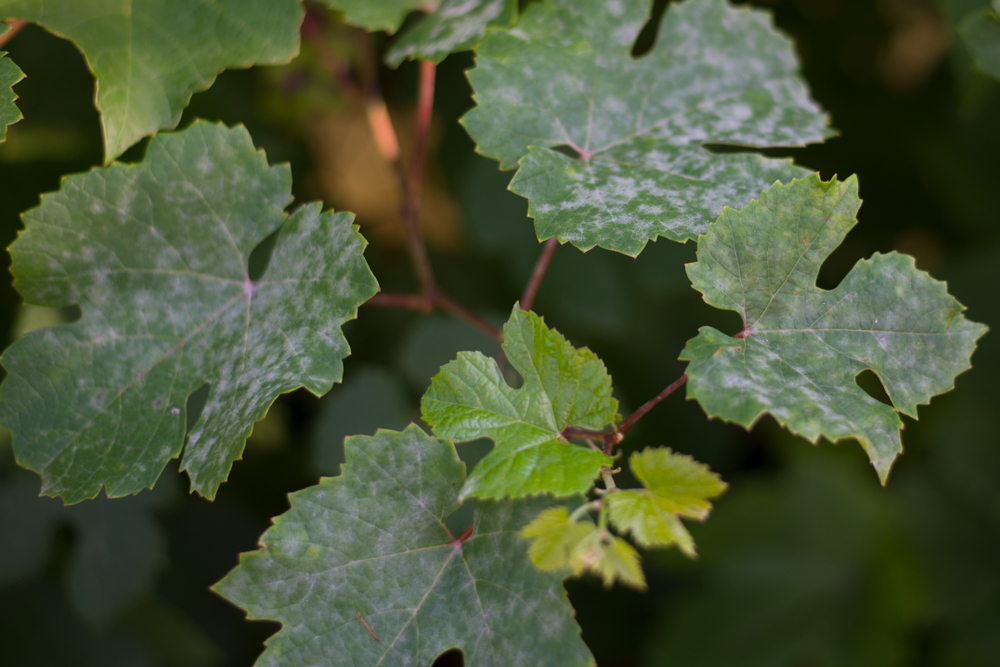
Growing your own grapevines is a total game-changer for any backyard. Not only do you get those sweet, sun-ripened clusters every fall, but the vines themselves create such a dreamy, classic look climbing up a trellis or house wall. But nothing ruins that “vineyard vibe” faster than seeing a weird white coating on your beautiful green leaves. If you’ve spotted it, you’re probably wondering: *What is this stuff, can I fix it, and—most importantly—are my grapes still safe to eat?* Don’t worry; I’ve got you covered with everything you need to know about identifying, treating, and preventing mildew on your grapes.
What Exactly is Mildew?
Mildew is a common plant pest that doesn’t discriminate—it attacks everything from your veggie garden to your prize-winning flowers. It’s found all over the world and comes in over a hundred different varieties. For us gardeners, we usually deal with two main types:
- Powdery Mildew
- Downy Mildew
Both are a major headache for home gardeners and professional farmers alike. In fact, vineyard owners dread these fungi because, if left unchecked, they can actually kill off the entire vine.
Powdery Mildew
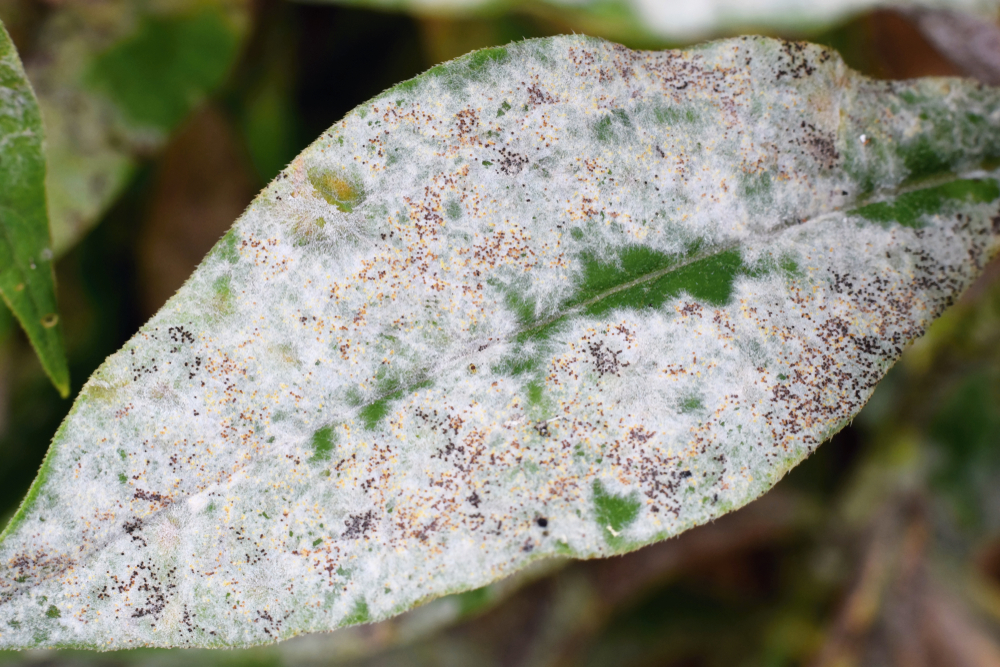
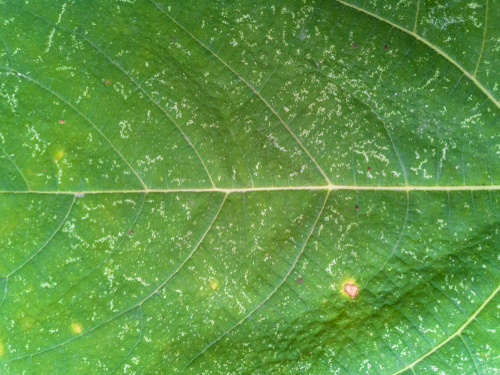
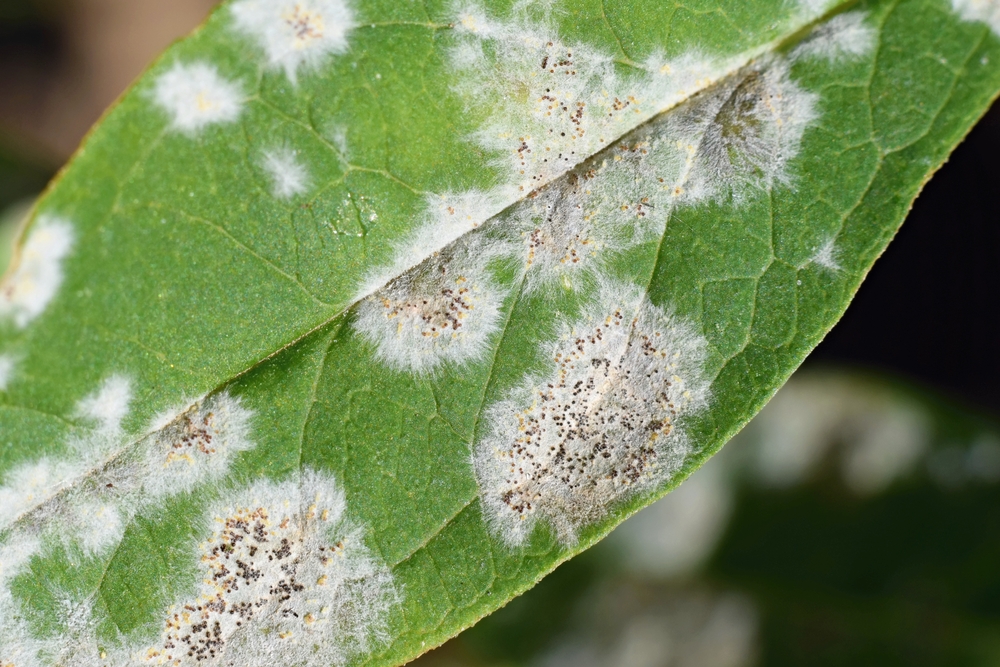
Think of Powdery Mildew (*Erysiphaceae*) as the “fair-weather fungus.” It absolutely loves warm, dry conditions. This fungus is a surface-dweller; it uses tiny little suckers to tap into the plant’s fibers to steal water and nutrients, but it doesn’t actually grow *inside* the leaf. It hitches a ride on the wind or hops a lift from passing insects to spread. Under the right conditions, it moves fast! Unlike its cousin (Downy Mildew), you’ll mostly see this one on the tops of the leaves. Besides grapes, it’s a huge fan of roses.
The Symptoms:
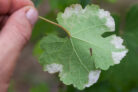
- A white, flour-like coating on the tops of leaves (you can actually wipe it off with your finger).
- Wilting or curling leaves.
- Leaves dropping off prematurely.
- Stunted growth.
- Grapes that literally crack open.
Downy Mildew
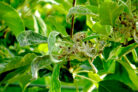
*Peronosporaceae*, or Downy Mildew, is the “bad-weather fungus.” It’s the polar opposite of Powdery Mildew because it thrives in warm, humid, and damp weather (usually between 60°F and 70°F). While both types steal nutrients, Downy Mildew is a bit more aggressive—it actually grows *inside* the leaf tissue. If you see fuzzy growth on the *underside* of the leaf, this is likely your culprit. Interestingly, while it’s often called a fungus, it’s actually more closely related to algae! It loves grapes, but it’s also a frequent uninvited guest on:
- Potatoes
- Roses
- Sunflowers
- Hops
- Beets
- Lettuce
Greenhouses are basically a five-star resort for this stuff because of the high humidity.
The Symptoms:
- A gray-blue fuzzy coating on the underside of the leaf.
- Yellow or brown spots appearing on the top of the leaf later on.
- Yellowing and curling leaves.
- Leaf drop and poor overall growth.
- Grapes that shrivel or burst.
Varieties Most at Risk
Some grape varieties are just “mildew magnets.” If you’re growing these, keep a close eye on them:
Powdery Mildew prone:
- Kerner
- Elbling
- Portugieser
- Trollinger
- Silvaner
- Muskateller
Downy Mildew prone:
- Müller-Thurgau
- Portugieser
- Chasselas (Gutedel)
- Lemberger
Mildew-Resistant Varieties
If you want to save yourself the stress, look for these hardier varieties:
- Cal 6-0,4 (White)
- Felicia (White)
- Regent (Red)
- Cabernet Blanc (White)
- Baron (Red)
- Reberger (Red)
- Muscat Bleu (Red)
- Villaris (White)
How to Fight Back
If you see mildew, your first instinct might be to grab a heavy-duty chemical spray. My advice? Don’t do it! Those harsh chemicals can wash into the groundwater and hurt the rest of your garden. Plus, once you spray grapes with toxic chemicals, you definitely shouldn’t be eating them. Instead, try some natural home remedies—they’re safe, effective, and much better for the planet.
Prevention is Key
A healthy vine is a strong vine. The best way to beat mildew is to stop it before it starts:
- Give them space: When planting, give your vines 3 to 6 feet of breathing room. Good airflow is your best friend.
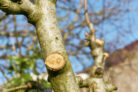
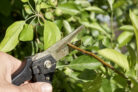
- Prune regularly: Thin out dead wood and excess leaves so air can circulate through the center of the vine.
- Companion planting: While weeds are a no-go, planting basil, chervil, or chives nearby can help. Their scent actually helps deter some pests.
- Watch the fertilizer: Grapes hate high-nitrogen fertilizers. Don’t overfeed them!
- Watering habits: Only water in the early morning or late evening, and try to keep the water at the base of the plant rather than soaking the leaves.
Home Remedies
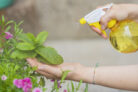
You can whip these up right in your kitchen to treat an outbreak or use them as a preventative spray:
- The Milk Mix: Mix milk (not raw milk) with water at a 1:8 ratio.
- Horsetail Tea: A classic organic fungicide.
- Tansy or Garlic Tea: Great for boosting plant immunity.
- The Baking Soda Special: Mix 2 teaspoons of baking soda with 2 teaspoons of canola oil and a small squirt of dish soap in a quart of water.
And don’t forget—ladybugs are your tiny garden superheroes! They love to snack on mildew spores.
Can You Still Eat the Grapes?
Here’s the bottom line: While eating grapes from a mildew-affected vine isn’t usually a health risk, they are going to taste pretty nasty. Mildew makes the fruit very bitter, so you probably won’t want to snack on them anyway!