Basics like basil are the heart of any kitchen garden—nothing beats that fresh scent and vibrant green color in your favorite dishes. But if you notice that lush foliage being overtaken by a fuzzy gray mess, you’re likely dealing with gray mold (Botrytis). Don’t panic! If you act fast, you can kick this fungus to the curb and save your plant.
How do you get rid of gray mold on basil?
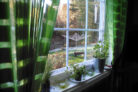
To treat gray mold naturally, try using organic solutions like stinging nettle manure or horsetail tea. First things first: move your basil to a bright, dry spot with plenty of airflow. Then, grab a sharp pair of garden shears or a clean knife and carefully prune away any infected parts of the plant to stop the spread.
How do you spot gray mold on your basil?
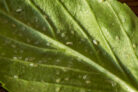
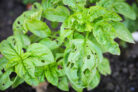
Early signs of gray mold usually show up as brown spots on the leaves. These “ghost spots” spread incredibly fast and can take over the whole plant before you know it. You might also notice the stems starting to rot. As the basil disease progresses, a fuzzy white or gray fungal carpet will form over the leaves. If you see this, it’s time to jump into action immediately to save your herb. The sooner you treat it, the faster your basil can bounce back.
Why does gray mold attack basil in the first place?
Fungi like gray mold thrive when things get cold and damp. It’s caused by a fungus called Botrytis cinerea, and it’s one of the most stubborn garden pests out there. Over-fertilizing can also make your plant a target. You really only need to fertilize your basil if you notice the leaves looking a bit lackluster. That said, brand-new plants usually need a little boost every two weeks to help them get established and grow strong.
How can you prevent gray mold from coming back?
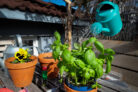
Prevention is the best medicine! Keep your basil healthy by watering it regularly, but be careful not to overdo it—soggy soil is a recipe for disaster. Always water at the base of the plant to keep the stems and leaves dry. Also, make it a habit to pinch off any wilted or dead leaves right away so fungi don’t have a place to start growing.
Pro Tip: Natural home remedies to protect your basil
To give your basil an extra immune boost, try some organic “superfoods” from your kitchen. Natural fertilizers are much gentler on your herbs. Used coffee grounds, cold tea, or horn meal are fantastic options. Just mix them into the soil or add them to your watering can to keep your basil strong, healthy, and mold-free!