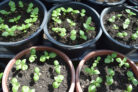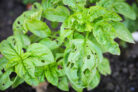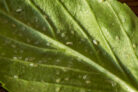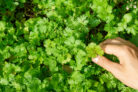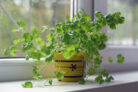
Basil originated in the tropical and subtropical forests of India, which explains why it’s such a heat-seeker! Most varieties can’t stand the cold, and frost is a total dealbreaker. However, that doesn’t mean your basil has to be an annual. You can actually overwinter this herb indoors and keep it growing for years.
The Perfect Spot
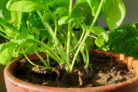
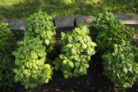
During the warm summer months, basil is perfectly happy outdoors . Just make sure to give it a bright spot that’s protected from the wind. One thing to watch out for: it’s not a huge fan of that intense, scorching midday sun. Basil actually loves hanging out with its own kind or being neighbors with tomatoes and cucumbers. A greenhouse is basically a five-star hotel for basil! If you’re growing basil in a pot indoors, the same rules apply. Indoor growing is actually a bit easier because you don’t have to worry about unpredictable weather. Just place it in the brightest spot you have.
Nutrients and Water
This sensitive herb has a big appetite! Basil is what we call a “heavy feeder,” so it needs a dose of fertilizer every three to four weeks.
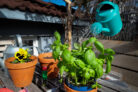
When it comes to watering, consistency is key. If the soil dries out completely, the plant will often drop its leaves in protest. But don’t go overboard—too much moisture will lead to yellowing or wilting leaves that eventually fall off too.
Digging Up Your Basil
If you want to keep your outdoor basil going for another year, you’ll need to transplant it. In late summer, use a spade or garden fork to carefully move it from the ground into a pot. The rule of thumb for moving it indoors is when nighttime temperatures start dipping below 55°F (12°C).
Overwintering Your Basil
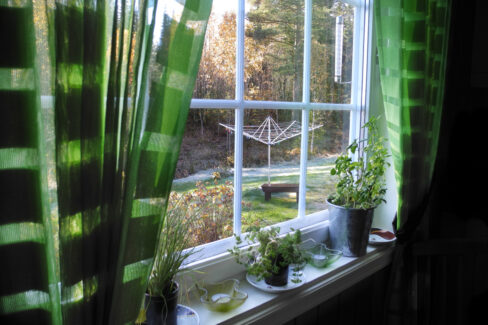
Once inside, keep your plants in a spot that stays at least 55°F. Plenty of light is a must to keep your basil happy through the darker months. When watering , always check the soil moisture first—only water when the surface feels dry to the touch. Your plants won’t need much food during the winter; a little liquid fertilizer every six to eight weeks is plenty.
Great Perennial Varieties
- African Blue: This hybrid is a fantastic perennial choice. It grows super fast and has beautiful, decorative flowers.
- Kilimanjaro (Kiliman): Native to the slopes of Mount Kilimanjaro, this variety is incredibly hardy and can be harvested for years. A cool bonus? The leaves don’t lose their flavor even when the plant is flowering.
- Mammoth: Just like the name suggests, this one has massive leaves. In milder climates, it can stay outside from March through October and can even handle a very light frost.
Pro Tip: Don’t give your basil a “buzz cut” before overwintering . Just trim back any leggy stems and remove any old or sickly-looking leaves to keep it tidy.