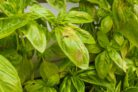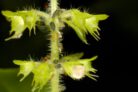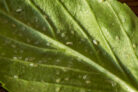
We aren’t the only ones who love the taste of fresh, tender basil. Unfortunately, a variety of critters and insects find it just as delicious as we do! If your herb garden is looking a little worse for wear, here’s how to identify the culprits and get your plants back on track.
Common Basil Pests and How to Spot Them
- Slugs and Snails: Sadly, slugs think basil is a five-star buffet. You’ll know they’ve been visiting if you see telltale silvery slime trails. They usually come out at night and can do some serious damage, often making entire leaves disappear in one sitting.
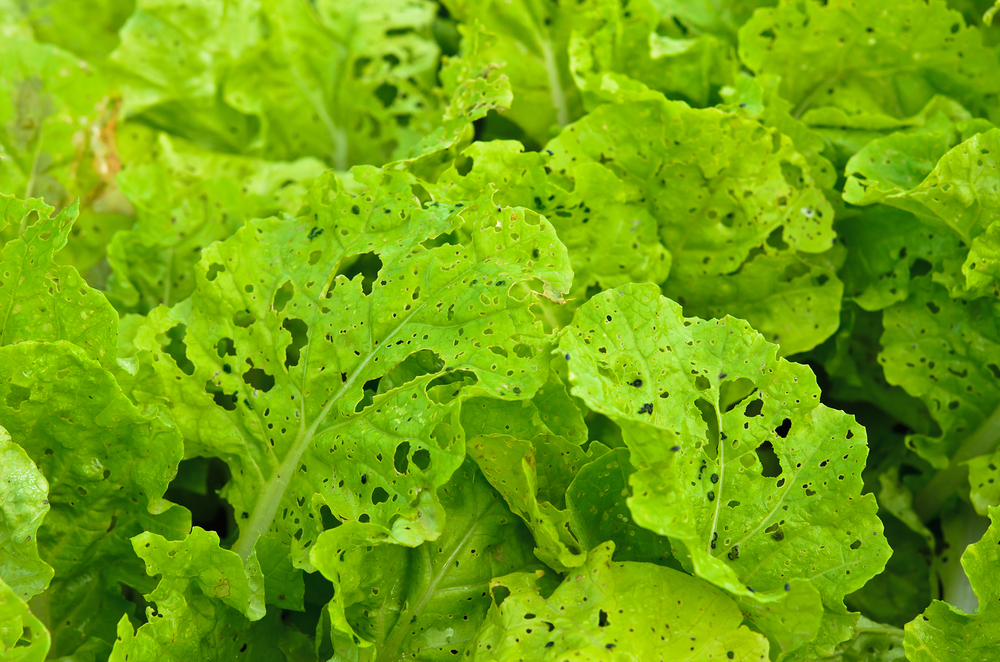
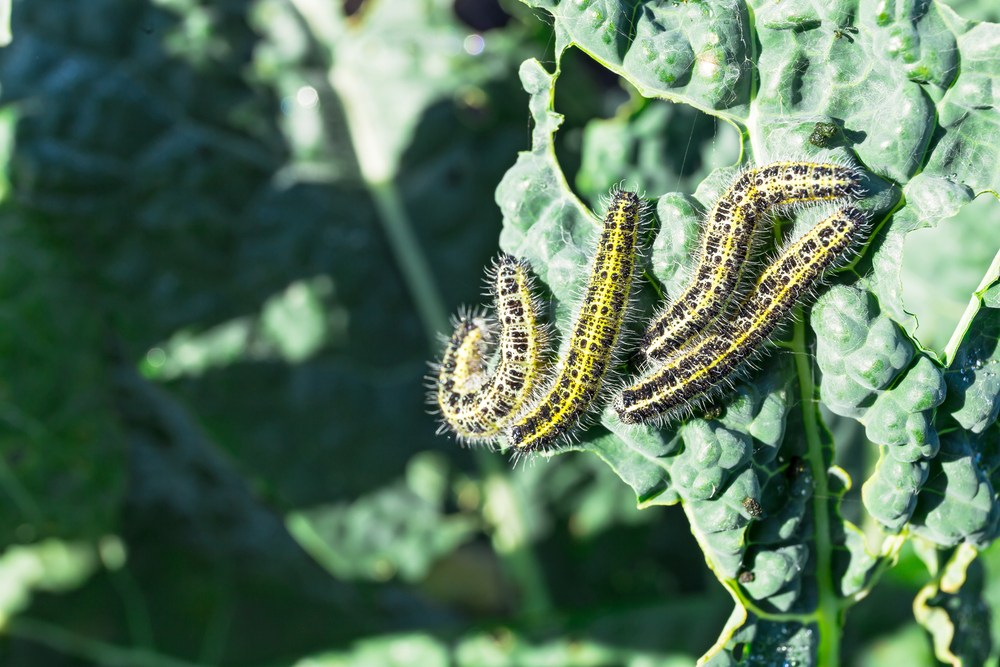
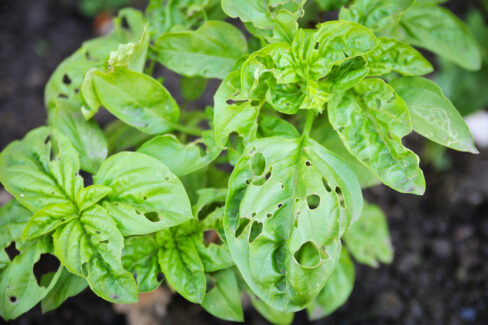
- Caterpillars: These guys are masters of disguise. A bright green caterpillar on a green leaf is surprisingly hard to spot! Keep an eye out for holes in the leaves and distinct bite marks—that’s a dead giveaway that you have a hungry guest.
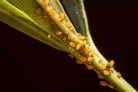
- Aphids: These tiny pests are also experts at blending in because of their green color. However, if you notice a lot of ants hanging around your basil, it’s a sign you might have aphids . They also leave behind a sticky residue on the leaves known as “honeydew.”
- Whiteflies: These tiny white insects are so small you might not notice them until a whole cloud of them flies up when you touch the plant. They suck the sap out of the basil, which causes the leaves to discolor and the plant to look weak and sickly.
- Spider Mites: Look for tiny red dots on the undersides of the leaves. If you grab a magnifying glass, you can actually see them at work. If the infestation gets bad, you’ll start seeing fine, silky webs covering the plant.
- Fungus Gnats: Those annoying little black flies buzzing around the soil don’t hurt the plant directly, but their larvae are the real troublemakers. They live in the soil and feed on the roots, and can eventually hollow out the stems from the inside.
How to Fight Back
- If slugs are the problem, the best method is to simply hand-pick them off. You’ll have the most luck doing this in the early morning. You can also try sprinkling used coffee grounds on the soil to deter them.
- Caterpillars can also be picked off by hand. They also happen to hate garlic! Try spraying your plants with a homemade garlic spray every now and then to keep them away.
- For aphids, it’s best to prune off the heavily infested parts of the plant and dispose of them. A spray made from diluted insecticidal soap (or a mild castile soap) also works wonders.
- Garlic spray is also effective against whiteflies. Make sure to clear away any dead leaves or plant debris where they might be hiding.
- If you spot spider mites, give your plant a gentle “shower” with lukewarm water to knock them off. You can also mix one part canola oil with four parts water and a drop of dish soap (to help it mix) and spray the leaves.
- Fungus gnats often hitch a ride in store-bought potting soil . Since they love moisture, make sure you aren’t overwatering . Adding a layer of sand to the top of the soil helps it dry out faster and makes it harder for the gnats to hatch. Sticky blue traps are also great for catching the flying adults.
Pro Tip: Remember, pests are much more likely to attack a plant that is already stressed. The best defense is simply taking good care of your basil! Stick to organic gardening methods whenever possible—this encourages “good bugs” (beneficial insects) to move into your garden and do the pest control for you.