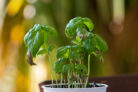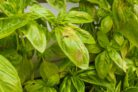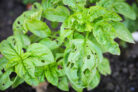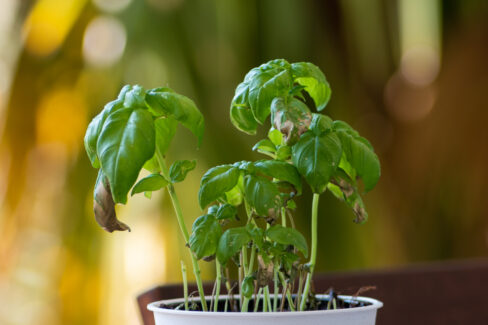
We all love that fresh, peppery scent of basil in the kitchen, but let’s be real: these delicate plants can be a bit finicky. Basil is prone to a few nasty diseases, often hitching a ride on common garden pests. Once a disease takes hold, saving the plant can be an uphill battle. Here’s the lowdown on what to watch out for and how to keep your herbs happy.
Root and Stem Rot
If your basil starts wilting out of nowhere and the roots look like mush, you’re likely dealing with a fungus called *Fusarium oxysporum*. This culprit thrives when the soil stays too soggy or if your plant is shivering in a spot that’s too cold. Unfortunately, if your basil has this, it’s off the menu—don’t eat infected plants. While there are chemical treatments out there, I’d steer clear of them for herbs. Basil grows fast, and you definitely don’t want those chemicals in your pesto!
The best offense is a good defense. To prevent stem rot, give your basil the VIP treatment: plenty of light and good airflow. Water your plant thoroughly, but only when the soil feels dry to the touch—standing water is a big no-no. Keep it fed with a liquid fertilizer and make sure the temperature stays above 60°F (15°C). For a truly happy plant, aim for a cozy 70-75°F (20-25°C).
Downy Mildew
Keep an eye on the undersides of your leaves. If you see a fuzzy white or gray coating, you’ve got Downy Mildew. It usually starts on the lower leaves, turning them a sickly pale green or gray. While it’s not “poisonous” in the traditional sense, eating mildew-covered basil can trigger nasty allergic reactions, so it’s best to just toss the plant and start fresh.
Prevention is all about the right location . High humidity, chilly air, and lack of sun are an open invitation for mildew. Sunlight is your best friend here—it strengthens the plant and helps the leaves dry off quickly. Also, give your plants some elbow room! If the air can circulate freely between the stems, fungi won’t have a chance to settle in.
Gray Mold (Botrytis)
If you spot gray mold on your basil or the soil surface, it’s usually a sign that something went wrong with the care routine. Mold loves moisture. To keep it away, always double-check the soil before grabbing the watering can. Never let your basil sit in a saucer full of water; “wet feet” lead to root rot and mold issues very quickly.
If you see a fuzzy leaf, pinch it off immediately. But if the mold has taken over the whole plant, it’s time to say goodbye and head to the compost bin. When you’re shopping for new herbs, always pick the healthiest-looking ones you can find.
Pro Tip: Whenever you bring a new plant home, keep it “quarantined” away from your other greens for a few days. This prevents any hidden hitchhikers or diseases from spreading to your entire indoor garden!