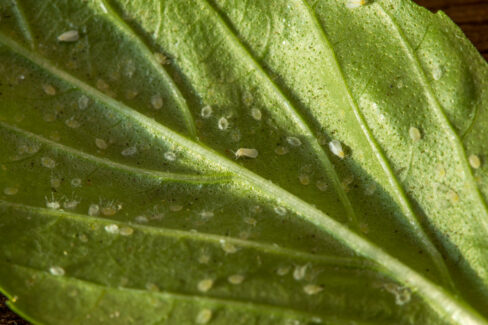
There’s nothing quite like the smell of fresh basil in the kitchen, but unfortunately, we aren’t the only ones who love it. Sometimes, tiny black or white flies decide to move in on your herbs. More often than not, these uninvited guests hitch a ride home from the grocery store or nursery, but a few slips in your plant care routine can also roll out the welcome mat for them. Here is the lowdown on what you’re dealing with.
Whiteflies
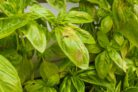
The whitefly—aptly named because, well, it’s white—is actually a relative of the scale insect. These little guys are super common and tiny, usually only about 1 to 3 mm long, making them hard to spot at first. You’ll usually notice them when they’ve already invited their whole extended family; if you brush against the plant and a literal white cloud rises up, you’ve got whiteflies. They suck the sap from the leaves, leaving behind yellow speckles. They also lay their eggs on the undersides of the leaves, and the larvae are particularly hungry. You might notice a sticky substance on the leaves called honeydew—that’s actually excess sugar from the plant sap that the insects excrete.
The tricky part? These pests thrive at 68-77°F (20-25°C). Since those are the same temperatures that help your basil grow best, getting rid of them is a bit of a balancing act. Your best bet is to pop some yellow sticky traps into your pots. The flies are attracted to the color, get stuck, and it helps thin out the population quickly.
Fungus Gnats
Fungus gnats are those annoying little black flies you see hovering around. They often sneak into your home as eggs or larvae hiding in potting soil or in the pots you just bought. The larvae are the real troublemakers here—they munch on the roots and can even tunnel up into the stems, hollowing them out. They love damp soil, so to stop them in their tracks, try spreading a layer of sand over the top of the soil. Sand dries out much faster than dirt, which prevents the larvae from hatching.
While you can buy natural predators like nematodes, it’s usually not worth it for a single basil plant. It takes about two weeks for them to work, and by then, your delicate basil might already be toast. Instead, stick with the yellow sticky traps. The gnats can’t resist the color and will get stuck before they can cause more drama.
Thrips
Thrips are small, slender black pests that suck the life out of your plants. Their larvae are pale green and usually hide on the undersides of the leaves. One common fix is to give the plant a “shower” with soapy water, but make sure to cover the soil with plastic wrap first so you don’t wash the bugs right into the dirt.
Honestly, though, basil leaves are so soft and sensitive that washing them this way can be a hassle—especially if you’re planning on eating them! A better move is to use a sticky trap. But here’s a pro tip: use a blue trap instead of a yellow one. It turns out thrips have a thing for the color blue.
Quick Tip: The best defense is a good offense—keep your basil healthy and well-tended. If you see the first signs of an infestation, it’s often smartest to harvest the whole plant immediately and preserve the leaves for later. And hey, it never hurts to keep a sticky trap in the pot as a preventative measure!